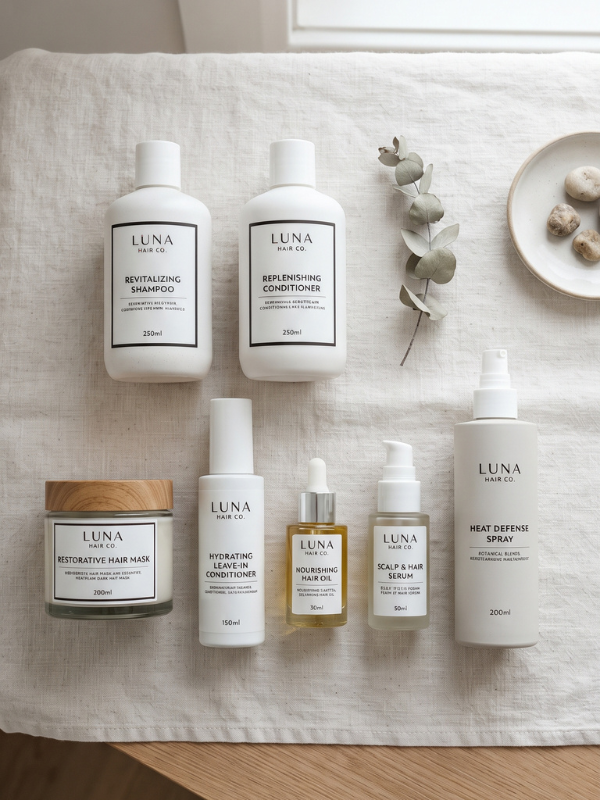
Dry and damaged hair can look dull, feel rough, and become difficult to style. It may also tangle easily, develop split ends, or break during brushing. The right Hair Care Products can help improve how your hair feels and looks while protecting it from further damage.
However, not every product works the same way. Dry hair needs moisture, while damaged hair may also need strengthening and protection. Your hair type matters too. Fine hair may become weighed down by rich creams, while thick or coily hair may need more conditioning.
Below, you will find the best Hair Care Products for dry and damaged hair, what each product does, what to look for when shopping, and how to use them as part of a simple routine.
1. Moisturizing Shampoo
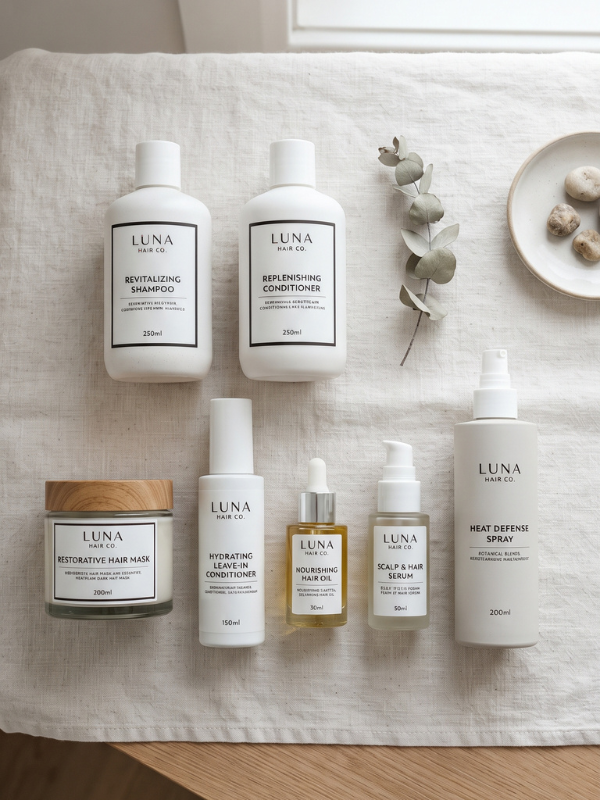
A moisturizing shampoo is one of the first Hair Care Products to consider when your hair constantly feels dry.
Shampoo removes oil, sweat, dirt, dead skin cells, and styling-product buildup from the scalp. However, aggressively scrubbing the lengths can make already-dry hair feel even drier.
The American Academy of Dermatology recommends focusing shampoo on the scalp and allowing it to run through the lengths while rinsing. This cleans the hair without unnecessary manipulation.
What to look for
Look for shampoos labeled:
- Moisturizing
- Hydrating
- Nourishing
- For dry or damaged hair
- For curly or textured hair, when appropriate
Depending on the formula, you may find ingredients such as glycerin, panthenol, aloe, oils, and conditioning agents.
How to use it
Wet your hair thoroughly. Apply shampoo mainly to the scalp and gently massage with your fingertips. Avoid aggressively rubbing the lengths.
If your scalp becomes oily quickly, you may need to wash more often than someone with a dry scalp. Your washing schedule should suit your scalp and hair type.
2. Hydrating Conditioner
Conditioner is one of the most important Hair Care Products for dry and damaged hair.
It coats the hair shaft, reduces friction, and improves softness and manageability. This can make detangling easier and reduce unnecessary pulling that may contribute to breakage.
Look for conditioners labeled hydrating, moisturizing, smoothing, or repairing. Common ingredients include shea butter, plant oils, panthenol, ceramides, fatty alcohols, and conditioning agents.
After shampooing, squeeze out excess water and apply conditioner through the lengths and ends. If your hair is thick, curly, coily, or very dry, you may need conditioner through more of the length.
Fine hair usually needs more product toward the ends and less near the roots.
For dry or damaged hair, conditioning after every shampoo is a useful habit.
3. Deep Conditioning Hair Mask
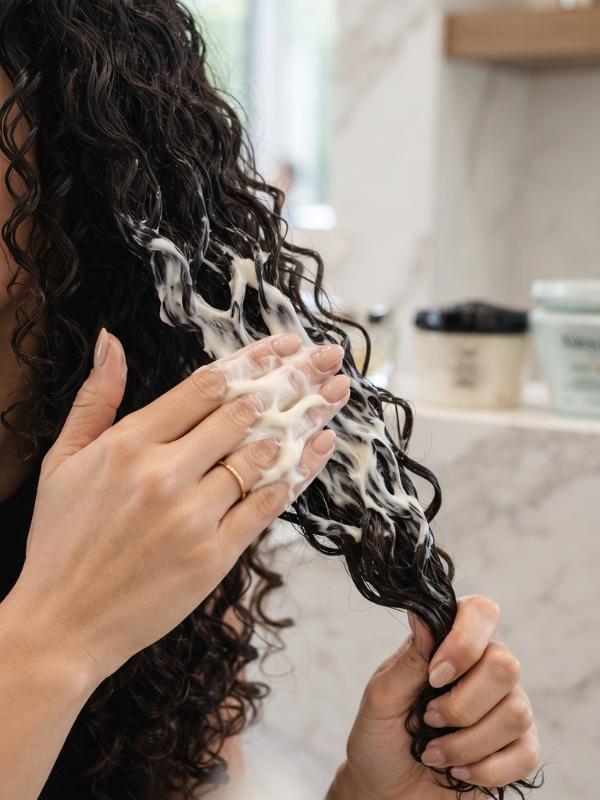
When regular conditioner is not enough, a deep conditioning mask can provide additional support.
Hair masks are generally richer than everyday conditioners and are designed to provide more intensive conditioning. They can be useful if your hair feels rough, tangled, brittle, or unusually dry.
A deep conditioner may be especially helpful for hair that has been:
- Bleached or colored
- Heat styled frequently
- Chemically treated
- Exposed to a lot of friction
- Left feeling rough after washing
Once a week is a reasonable starting point for many people. However, you can adjust the frequency according to how your hair responds.
Apply the mask mainly to the areas that need it most, usually the mid-lengths and ends. Follow the instructions on the product rather than assuming that leaving it on for several hours will make it more effective.
4. Leave-In Conditioner
A leave-in conditioner provides extra conditioning after you leave the shower. Unlike a rinse-out conditioner, it is designed to remain on the hair.
It can help improve softness, reduce friction, make detangling easier, control frizz, and improve manageability.
Leave-in conditioners can be particularly useful for dry, brittle, curly, tangled, frizzy, color-treated, permed, or heat-styled hair.
Apply a small amount to damp hair, focusing on the mid-lengths and ends. Fine hair usually needs less product, while thick or very dry hair may require more.
Start small. You can always add more if necessary.
5. Hair Oils
Hair oils can make dry hair feel smoother and look shinier. They can also provide lubrication and reduce friction between strands.
Popular options include:
- Argan oil
- Coconut oil
- Jojoba oil
- Avocado oil
- Sweet almond oil
Oil does not permanently repair severely damaged hair. Instead, it can improve the feel and appearance of the hair while complementing your conditioning routine.
Apply a few drops to damp or dry hair, depending on the product instructions. Concentrate on the lengths and ends, especially if your roots become oily quickly.
Use a small amount. Too much oil can make hair greasy, flat, or difficult to style.
6. Hair Serum
If frizz, dullness, and rough-looking ends are your biggest concerns, a hair serum may be useful.
Serums are generally designed to coat the hair and create a smoother appearance. They can help with:
- Frizz
- Flyaways
- Rough-looking ends
- Shine
- Smoothness
- Styling
Rub a small amount between your palms before applying it to your hair. Focus on the lengths and ends rather than applying a large amount to the roots.
7. Bond-Building and Repair Treatments
Hair that has been bleached, repeatedly colored, relaxed, permed, or exposed to frequent heat may need more than basic conditioning.
Repair-focused and bond-building treatments are designed for hair that has experienced significant chemical or physical stress.
Consider adding one if your hair:
- Breaks easily
- Feels weak after chemical processing
- Has been heavily bleached
- Has frequent heat exposure
- Has become difficult to manage after coloring
These treatments should complement your regular shampoo and conditioner rather than replace them.
Because formulas differ, follow the instructions provided with the specific product.
8. Heat Protectant
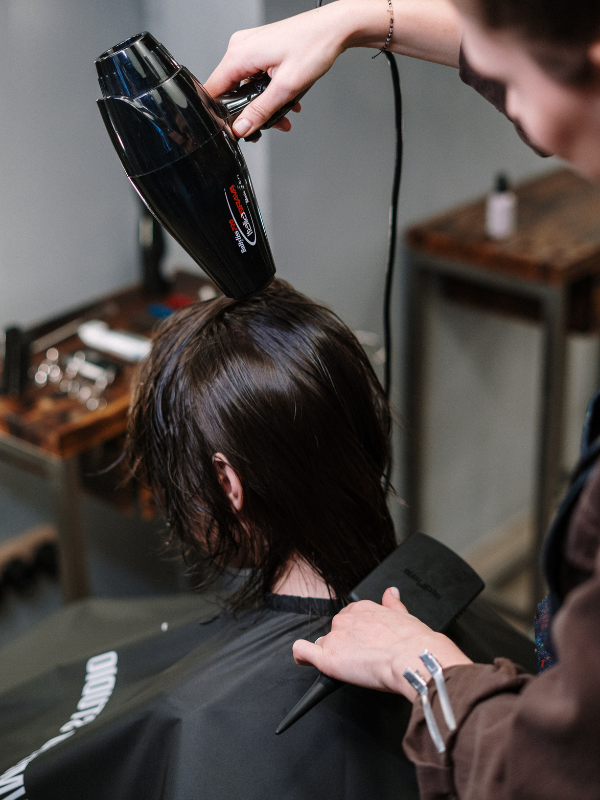
If you regularly use heat tools, a heat protectant is one of the most important Hair Care Products in your routine.
Flat irons, curling irons, hot combs, and high-heat blow dryers can contribute to hair damage, particularly when used frequently.
Use a heat protectant before blow-drying, straightening, curling, or using other heated styling tools.
However, a heat protectant does not make unlimited heat safe. Use the lowest effective temperature and reduce how often you use hot tools.
How to Choose Hair Care Products for Dry and Damaged Hair
The most expensive product is not automatically the best product. Instead, choose based on your hair type, condition, and the cause of the damage.
Consider Your Hair Texture
Fine hair often responds better to lightweight shampoos, conditioners, leave-ins, and serums.
Thick hair can usually handle richer conditioners, creams, oils, and masks.
Curly and coily hair often benefit from additional conditioning because the shape of the strands can make it harder for natural oils to travel from the scalp to the ends.
Identify the Main Problem
Dryness and damage are related, but they are not exactly the same.
If your hair mainly feels dry and rough, focus on conditioning and moisture.
If it is weak and breaking after bleaching, coloring, relaxing, or heat styling, you may also need a repair or strengthening treatment.
Most importantly, address the cause. If daily flat ironing is damaging your hair, adding another moisturizing product will not solve the entire problem.
Pay Attention to How Your Hair Responds
Your hair can tell you whether a product is suitable.
A good product should ideally leave your hair:
- Softer
- Easier to detangle
- Less tangled
- More manageable
- Smoother
If your hair consistently feels greasy, stiff, heavy, or coated, you may be using too much product or the formula may not suit your hair.
Add products gradually rather than changing everything at once.
Best Hair Care Products for Different Hair Types
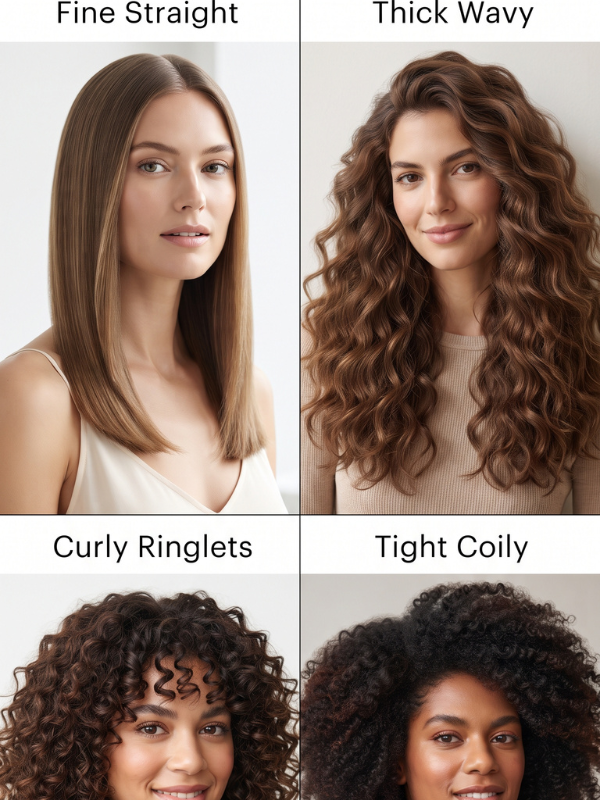
Fine, Dry Hair
Fine hair can be dry without needing heavy products. Too much butter, oil, or cream can make it look greasy and flat.
Consider:
- Lightweight moisturizing shampoo
- Lightweight conditioner
- Spray leave-in conditioner
- Lightweight serum
- A tiny amount of oil on the ends
Apply most products from the middle of the hair toward the ends.
Thick, Dry Hair
Thick hair can often tolerate richer formulas.
A suitable routine may include:
- Moisturizing shampoo
- Rich conditioner
- Deep conditioning mask
- Leave-in conditioner
- Hair cream or butter
- Hair oil
Divide thick hair into sections when applying conditioner and treatments. This makes it easier to distribute products evenly.
Curly Hair
Curly hair can become dry because natural scalp oils may not travel easily along the curves of the strands.
A simple routine can include:
- Gentle shampoo
- Hydrating conditioner
- Deep conditioner when needed
- Leave-in conditioner
- Curl cream
- Small amount of oil or serum
Avoid aggressive dry brushing if it causes excessive frizz or breakage. Gentle detangling with suitable conditioning can make curly hair easier to manage.
Coily Hair
Coily hair can be particularly vulnerable to dryness and breakage, making conditioning and gentle handling important.
Useful Hair Care Products may include:
- Gentle moisturizing shampoo
- Rich conditioner
- Deep conditioner
- Leave-in conditioner
- Hair cream
- Hair butter
- Lightweight oil
Give extra attention to the ends because they are the oldest parts of the hair and may be more fragile.
Color-Treated Hair
Color-treated hair may need additional conditioning because chemical processing can contribute to dryness and damage.
Consider using:
- Gentle shampoo
- Hydrating conditioner
- Deep conditioning mask
- Repair treatment
- Leave-in conditioner
- Heat protectant
Avoid repeatedly processing hair that is already fragile.
Moisture vs. Protein for Damaged Hair
The moisture-versus-protein debate can make choosing Hair Care Products confusing.
Moisturizing and conditioning products help improve softness, flexibility, smoothness, and manageability. They are particularly useful when hair feels dry and rough.
Strengthening or protein-containing treatments may be useful when hair feels weak or has been damaged by chemical processing.
You may benefit from both, but more is not always better.
If your hair feels dry and difficult to manage, focus more on conditioning. If it feels weak and breaks easily, a suitable strengthening treatment may be worth considering.
If a strengthening product consistently makes your hair feel stiff or unpleasant, reduce its use.
Simple Hair Care Routine for Dry and Damaged Hair
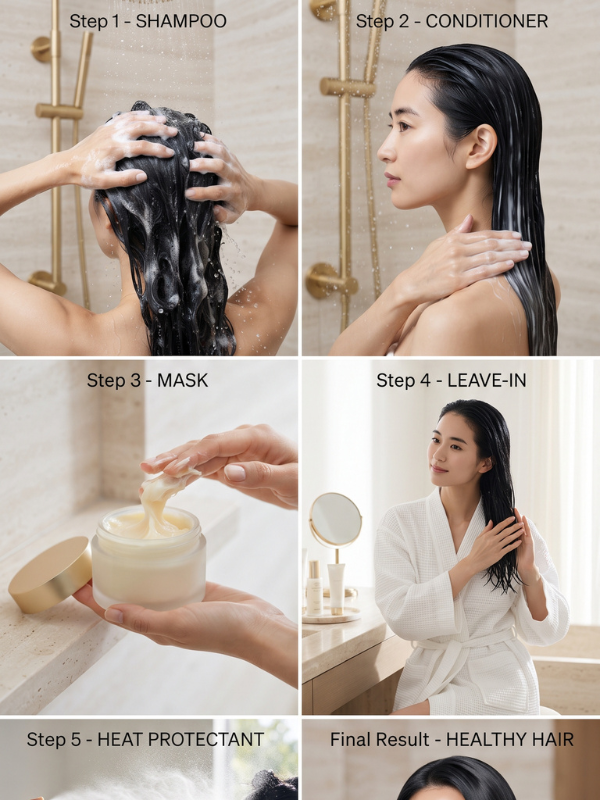
You can keep your routine simple and still give your hair the support it needs.
On Wash Day
Step 1: Cleanse the scalp
Apply shampoo mainly to the scalp and massage gently with your fingertips.
Step 2: Condition
Apply conditioner through the lengths and ends. Allow it to sit according to the product instructions.
Step 3: Deep condition when needed
Use a deep conditioning mask when your hair feels particularly dry or rough.
Step 4: Remove excess water gently
Avoid vigorously rubbing your hair with a towel. Gently wrap it in a towel or T-shirt to absorb excess water.
Step 5: Apply leave-in conditioner
Apply a small amount to damp hair, concentrating on the lengths and ends.
Step 6: Style
Use your preferred styling product, such as a curl cream, hair cream, or serum.
Step 7: Protect from heat
If you are using heated tools, apply an appropriate heat protectant and use a low or medium temperature whenever possible.
What Causes Dry and Damaged Hair?
Understanding the cause of the problem can be just as important as choosing the right Hair Care Products.
Common causes include:
Excessive Heat
Frequent use of flat irons, curling irons, hot combs, and high-heat blow dryers can damage the hair.
Bleaching and Chemical Processing
Bleaching, coloring, relaxing, and perming can alter the hair shaft and make it more vulnerable to dryness and breakage.
Rough Handling
Aggressive towel drying, brushing, and detangling create friction and pulling.
Tight Hairstyles
Repeated tension from tight ponytails, braids, cornrows, buns, extensions, and similar styles can contribute to breakage and hair loss around areas under constant tension.
Excessive Washing
Some hair types may become dry when washed too frequently, particularly when harsh cleansing products are involved.
Signs Your Hair May Be Dry or Damaged
Look for repeated signs such as:
- Rough texture
- Dull appearance
- Persistent frizz
- Split ends
- Frequent breakage
- Excessive tangling
- Brittle strands
- Dry-looking ends
- Difficulty detangling
- Hair that feels unusually weak
One bad hair day does not necessarily mean your hair is damaged. However, persistent changes may indicate that your routine needs attention.
Hair Care Mistakes to Avoid
Even good Hair Care Products cannot completely compensate for damaging habits.
Avoid these common mistakes:
- Using high heat every day: Reduce heat styling whenever possible.
- Skipping conditioner: Dry hair generally benefits from regular conditioning.
- Rubbing hair aggressively with a towel: Use gentle pressure instead.
- Brushing too hard: Work through knots carefully instead of pulling.
- Using too many products: Product overload can leave hair heavy and coated.
- Overusing strengthening treatments: Follow product directions and pay attention to how your hair responds.
- Wearing tight hairstyles constantly: Give your hair and scalp breaks from styles that create tension.
- Repeatedly processing fragile hair: Avoid putting additional chemical stress on already-damaged areas.
How to Help Dry and Damaged Hair Look Healthier
Your daily habits matter just as much as your product selection.
Handle wet hair gently because it can be more vulnerable to breakage. Use a suitable conditioner and detangle carefully, particularly if you have curly or coily hair.
Reduce unnecessary heat and use lower temperatures when heat styling is necessary.
Protect your ends because they are older and often more fragile than the roots. Give them extra conditioning and avoid unnecessary pulling.
If you regularly bleach, relax, color, or perm your hair, allow enough time between chemical treatments and avoid repeatedly processing fragile sections.
You can also consider a satin or silk bonnet or pillowcase if friction during sleep contributes to tangling or roughness.
Remember that severely split ends cannot be permanently repaired with a conditioner or serum. Trimming damaged ends may be necessary.
How Often Should You Use Hair Care Products?
There is no single schedule that works for everyone.
Shampoo: Wash according to your scalp’s needs and your hair type.
Conditioner: Use after shampooing, especially when your hair is dry or damaged.
Deep conditioner: Once a week is a useful starting point for many people. Adjust depending on how your hair responds.
Leave-in conditioner: Use after washing when your hair needs additional conditioning or easier detangling.
Hair oil or serum: Use a small amount when your hair needs extra smoothness, lubrication, or shine.
Repair treatment: Follow the instructions on the specific product.
Frequently Asked Questions
What are the best Hair Care Products for dry and damaged hair?
The essentials are usually a moisturizing shampoo, hydrating conditioner, deep conditioning treatment, leave-in conditioner, and heat protectant. Depending on your needs, you may also benefit from hair oil, serum, or a repair treatment.
Can Hair Care Products repair damaged hair?
Hair products can improve the feel, appearance, manageability, and conditioning of damaged hair. They can also help reduce further stress. However, severely damaged hair cannot be completely restored to its original condition with a product.
How often should I deep condition dry hair?
Once a week is a reasonable starting point. You can adjust the frequency depending on your hair texture and condition. If your hair becomes heavy or greasy, use less product or deep condition less often.
Is hair oil enough for dry hair?
No. Oil can complement a conditioning routine, but it should not replace shampoo, conditioner, or appropriate moisturizing products.
Does dry hair need protein?
Not necessarily. Some damaged hair may benefit from protein-containing or strengthening treatments, particularly after chemical processing. However, excessive use is not automatically better.
What is the best product for hair breakage?
There is no single product that works for every type of breakage. Conditioner and leave-in conditioner can improve manageability and reduce friction, while repair treatments may help chemically damaged hair. You should also address the cause, such as excessive heat, tight hairstyles, or rough detangling.
Can heat-damaged hair become healthy again?
You can improve the appearance and feel of heat-damaged hair while preventing further damage. However, severely damaged sections may need to be trimmed because cosmetic products cannot completely reverse structural damage.
How can I make dry hair softer?
Start with a moisturizing shampoo and a good conditioner. Add a deep conditioning treatment when necessary, followed by a leave-in conditioner. You can use a small amount of oil or serum afterward if your hair responds well.
When should I see a dermatologist?
If you experience persistent breakage, thinning, hair loss, scalp irritation, or unexplained changes that do not improve with appropriate hair care, consider seeing a dermatologist. An underlying scalp or hair condition may require professional evaluation.
The best Hair Care Products for dry and damaged hair are not necessarily the most expensive or most popular products online. The right choices are the ones that address your specific hair needs and fit comfortably into a routine you can maintain.
Start with the essentials: a suitable shampoo, conditioner, and leave-in conditioner if you need additional conditioning. Add a deep conditioning mask when your hair feels especially dry. If you use heat, make heat protection part of your routine. If your hair has been heavily processed, consider adding a suitable repair or strengthening treatment.
Most importantly, look beyond the products themselves. Reduce excessive heat, handle your hair gently, avoid unnecessary chemical processing, and protect your ends.
Healthy-looking hair usually comes from the right Hair Care Products, consistent conditioning, gentle handling, and preventing new damage rather than relying on one miracle product.