Learning how to draw a tattoo can be a fun way to turn your ideas into a design you can actually see. You do not need to be a professional artist to get started. With a pencil, some patience, and a clear idea, you can create a tattoo design from scratch. The key is to take it one step at a time.
1. Choose Your Tattoo Idea
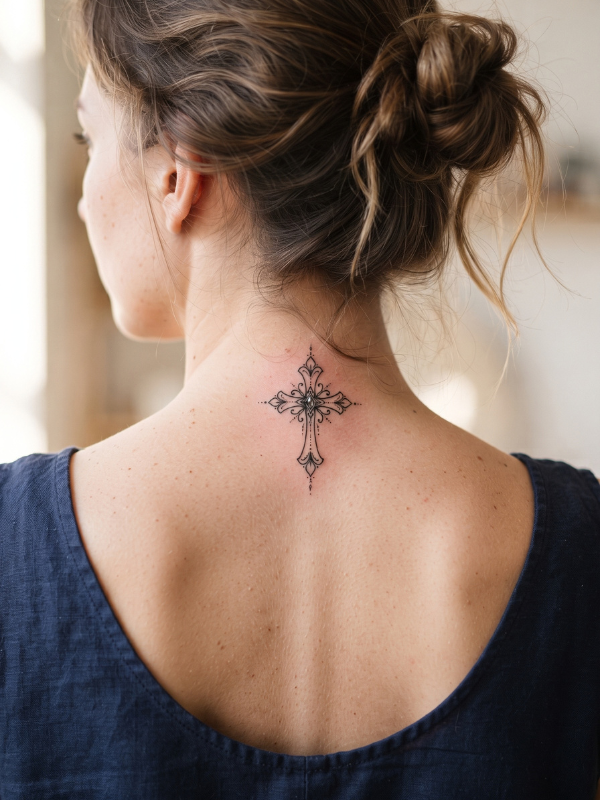
Before you start learning how to draw a tattoo, decide what you want your design to represent.
Think about things you love or find meaningful. It could be a flower, butterfly, animal, symbol, name, quote, or even a simple shape.
You can also look at different tattoo styles for inspiration. However, avoid copying another artist’s design exactly. Use references to understand what you like.
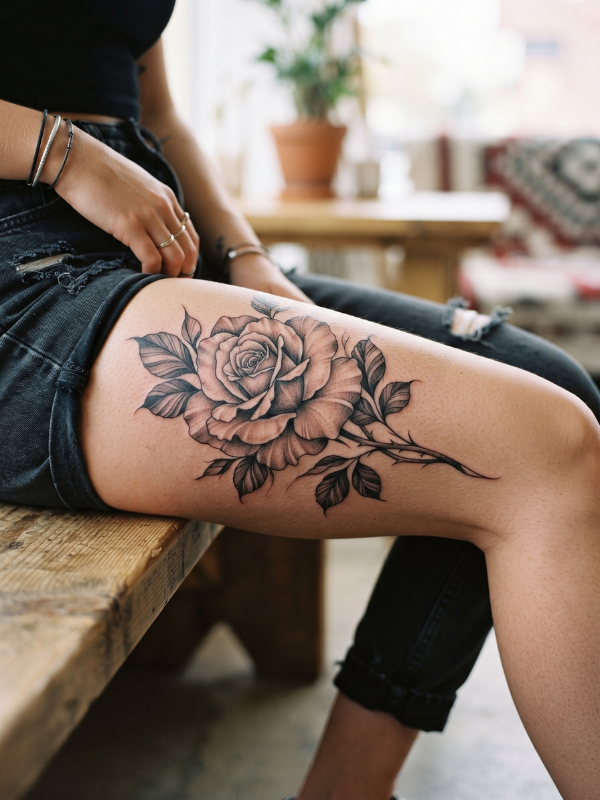
For example, you may like the look of a rose tattoo but want to create your own version. You can change the size, shape, leaves, placement, and details.
Most importantly, start with one clear idea. Too many ideas can make your first sketch confusing.
2. Decide Where Your Tattoo Will Go
The placement can affect the design.
A tattoo that looks good on the forearm may not work the same way on the ribs or neck. This is because different parts of the body have different shapes and curves.
Think about the area you have chosen before making your final design.
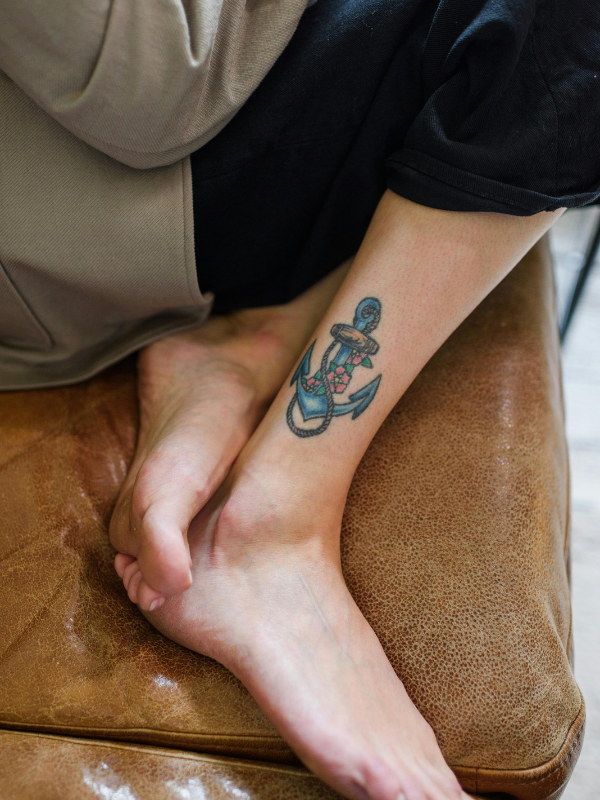
For example, long designs can work well on the calf or forearm. Small designs may look better on the wrist, ankle, or behind the ear.
Also, consider the size. A design with many tiny details may need more space.
3. Gather Your Supplies to Draw a Tattoo
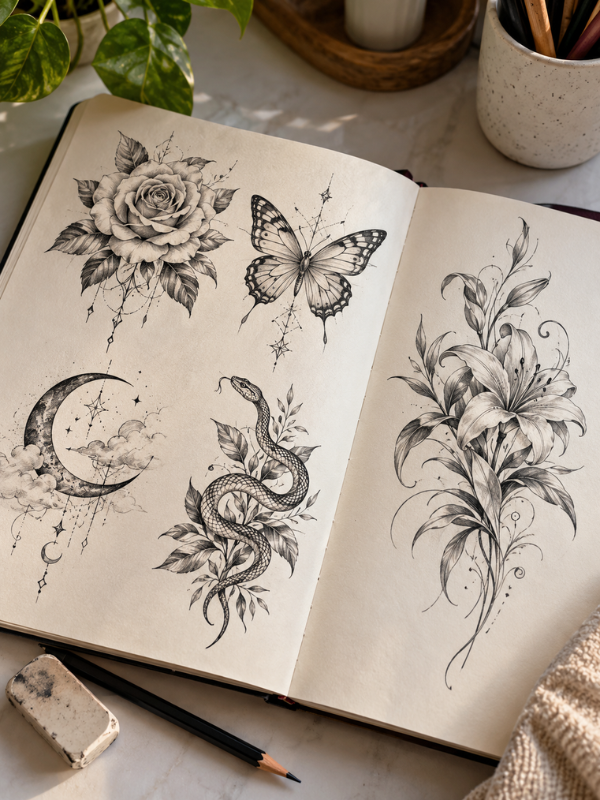
You do not need expensive supplies to learn how to draw a tattoo.
For a basic sketch, you can use:
- Pencil
- Eraser
- Sketchbook or plain paper
- Fine-tip black pen
- Ruler
- Tracing paper
You can also create tattoo designs digitally. A tablet and drawing app can make editing and resizing easier.
However, paper is perfectly fine when you are starting.
4. Start With Simple Shapes
Do not try to draw the finished tattoo immediately.
Instead, break your idea into simple shapes.
A flower can start with circles. A butterfly can start with an oval body and simple wing shapes. A face can begin with a circle and a few guide lines.
These basic shapes help you get the proportions right.
They also make the drawing less stressful. You are not trying to create perfect artwork yet. You are simply building the foundation.
5. Create Your Basic Tattoo Sketch
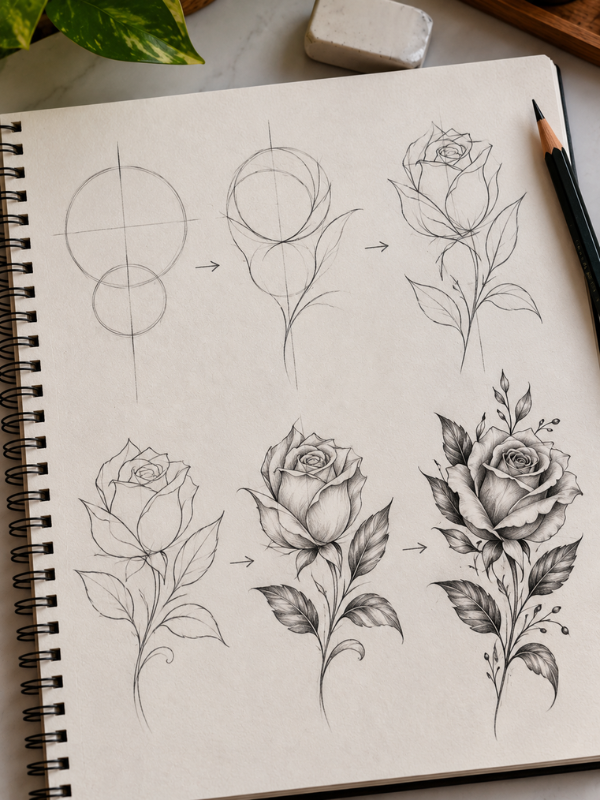
Once you have your basic shapes, start building your tattoo around them.
Use a light pencil at first. This makes it easier to erase mistakes.
Focus on the overall shape of the design. Look at the size, spacing, and proportions.
For example, if you are drawing a floral tattoo, start with the main flower. Then, add the stem and larger leaves.
Do not worry about tiny details yet.
Your goal at this stage is to make the tattoo look right as a whole.
6. Add the Main Details to Your Tattoo Design
Now you can start adding details.
This is where your basic sketch begins to look like an actual tattoo.
Add things such as:
- Petals
- Leaves
- Eyes
- Feathers
- Patterns
- Symbols
- Small lines
- Decorative details
However, do not add details just because you can.
Every detail should have a purpose. Too many small elements can make a tattoo look crowded.
If the tattoo is small, keep the details simple. This can help the design stay clear.
7. Clean Up Your Tattoo Drawing
Once you are happy with the main design, clean up the sketch.
Erase unnecessary guide lines. Fix shapes that look uneven. Adjust areas that feel too empty or crowded.
Take a short break before doing this. Looking at the design again with fresh eyes can help you notice things you missed.
You can also look at the drawing from a distance.
Does it still look good?
Can you easily understand what the design is?
If the answer is yes, you are ready for the next step.
8. Add Clean Linework to Your Tattoo
Clean linework can completely change the appearance of a tattoo.
Use a fine-tip pen to trace the final design. If you are working digitally, choose a clean drawing brush.
Try to keep your lines smooth and controlled.
You can also use different line weights. Stronger lines can be used for the main outline. Thinner lines can be used for small details.
This creates more depth without making the tattoo overly complicated.
When learning how to draw a tattoo, line control is one of the most useful skills to practice.
9. Add Shading to Your Tattoo Design
Shading can make a tattoo design look more realistic.
There are several ways to add shading. You can use smooth shading, small dots, or short lines.
Stippling is another option. It uses small dots to create darker and lighter areas.
However, do not overdo it.
Small tattoos usually need less shading. Too much shading can make tiny details blend together.
Before adding shading, decide what parts of the design should be darker. Keep the light and dark areas balanced.
10. Add Color If You Want a Color Tattoo
Not every tattoo needs color.
A black-and-gray tattoo can look beautiful on its own. However, adding color can give your design a completely different feel.
Start with a small color palette. Two or three colors may be enough.
Think about how the colors work together. You do not want every part of the tattoo competing for attention.
For example, a floral design could use soft pink flowers with green leaves. A butterfly could use two complementary shades for the wings.
If you are unsure, make a black-and-gray version first. You can always experiment with color later.
11. Check Your Tattoo Design Before Finalizing It
Before calling the design finished, take another look at it.
Check the proportions. Look at the spacing. Make sure the lines are clean.
You can also make a smaller version of the design.
This is important because some details may look great when the drawing is large but disappear when the tattoo is smaller.
Try flipping the drawing or viewing it from a different angle. You may notice something that needs to be changed.
If possible, ask someone you trust for an opinion. A fresh pair of eyes can be helpful.
12. Practice Drawing Your Tattoo on Skin-Like Surfaces
If your goal is to improve your tattoo drawing skills, practicing on paper is only the beginning.
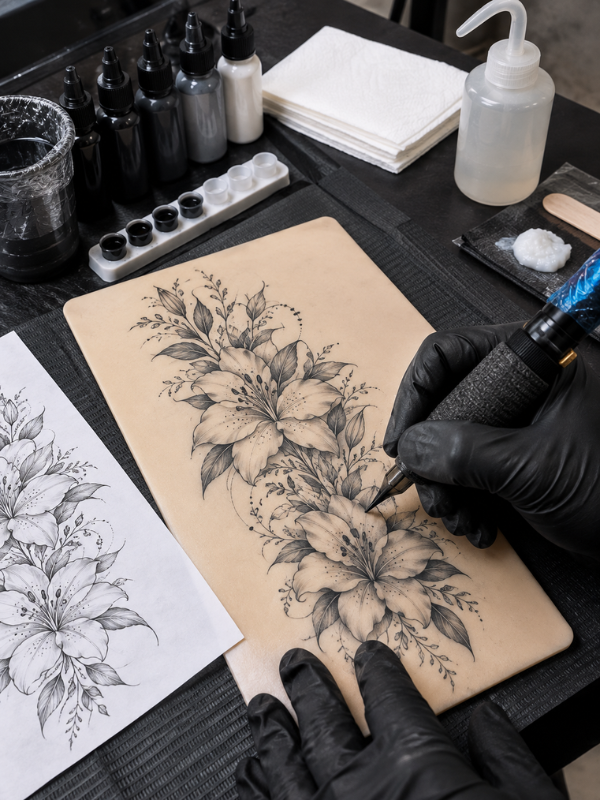
You can also practice on synthetic tattoo practice skin.
This can help you understand how designs look on a surface that is different from flat paper.
Curved areas can be especially challenging. A design may look different when placed around a leg or arm.
However, remember that practicing on real skin is different. Actual tattooing involves proper training, hygiene, sterilization, and safe equipment.
If you are new to tattooing, learn these areas before working on another person.
13. Turn Your Tattoo Drawing Into a Stencil
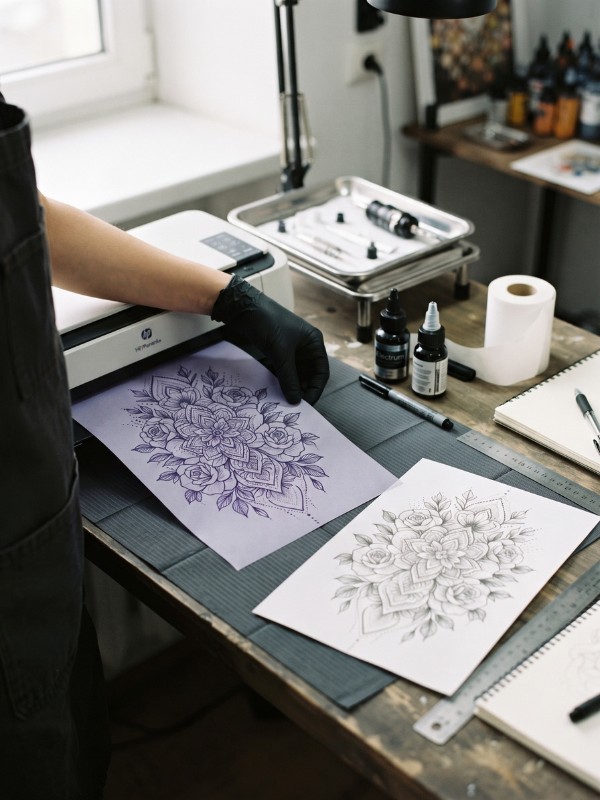
Once your design is finished, you can prepare it as a stencil.
A stencil gives the tattoo artist a clear guide for placement and linework.
Before creating the stencil, make sure the design is clean. Remove unnecessary lines and check that the proportions are correct.
Pay attention to the orientation too.
Some designs, especially lettering and symbols, may need to be reversed when transferred.
If you are creating the design for a professional tattoo artist, you can also send them a clean digital version. They can make any necessary adjustments before the tattoo session.
Common Mistakes When Learning How to Draw a Tattoo
Learning how to draw a tattoo takes practice. So, mistakes are completely normal.
Making the Design Too Complicated
Beginners often add too many details.
However, simple designs can be just as beautiful. Start with the main idea and only add details that improve it.
Copying Another Tattoo
References are useful. Copying someone’s tattoo exactly is different.
Instead, use references to develop your own design.
Ignoring Tattoo Size
A design can look beautiful on a large piece of paper but become difficult to read when made very small.
Always think about the final tattoo size.
Forgetting Body Placement
The body is not a flat canvas.
Think about curves and movement when designing the tattoo.
Skipping the Cleanup Stage
A messy sketch can make the final design harder to understand.
Take time to clean your lines and remove unnecessary marks.
Practice How to Draw a Tattoo in Different Styles
The best way to improve is to practice regularly.
You do not have to spend hours drawing every day. Even a few minutes can help.
Practice drawing simple objects first. Then move on to flowers, animals, faces, lettering, and other tattoo elements.
You can also practice different line weights.
Try drawing the same design in several sizes. This will help you understand how details change when a tattoo becomes smaller.
Study different tattoo styles too. Fine-line, traditional, blackwork, geometric, and Japanese-inspired tattoos all use different techniques.
Most importantly, do not rush the process.
Your first tattoo design may not look perfect. That is okay. Each sketch gives you another chance to improve.
How Long Does It Take to Learn How to Draw a Tattoo?
There is no fixed amount of time.
A small minimalist tattoo may only take a short time to sketch. A large design with many details can take several hours or even longer.
Your experience also matters.
Someone who has been drawing for years may create a clean design faster than a beginner.
The complexity of the tattoo, size, style, and amount of detail will all affect the time.
So, focus on creating a good design rather than trying to finish quickly.
Can Beginners Learn How to Draw a Tattoo?
Yes. Beginners can learn how to draw a tattoo with regular practice.
You do not need to start with complicated artwork.
Begin with simple shapes. Then practice linework, proportions, shading, and different tattoo styles.
Over time, you will become more comfortable creating your own designs.
The key is consistency.
Draw often. Study what you like. Look at your old sketches and notice how your skills improve.
Tattoo Styles You Can Practice Drawing
There are many tattoo styles you can explore as you improve.
Fine-Line Tattoos
These use thin, delicate lines. They are popular for flowers, small symbols, words, and minimalist designs.
Minimalist Tattoos
These designs usually use simple shapes and limited details. They are a good place to start if you are new to tattoo drawing.
Floral Tattoos
Flowers are great for practicing curves, symmetry, leaves, and shading.
You can try roses, lilies, sunflowers, daisies, or small wildflowers.
Blackwork Tattoos
Blackwork designs rely heavily on black ink. They can include bold shapes, patterns, and heavy linework.
Traditional Tattoos
Traditional tattoo designs often feature bold outlines and recognizable subjects such as roses, hearts, snakes, birds, and other classic imagery.
Geometric Tattoos
These designs use shapes, lines, symmetry, and patterns.
They can be simple or highly detailed.
Japanese-Inspired Tattoos
These designs often feature subjects such as dragons, koi fish, flowers, waves, and other traditional imagery.
They usually require careful attention to movement and composition.
Lettering Tattoos
Lettering designs focus on words, names, dates, or phrases.
Practice different fonts and spacing before creating your final design.
Summary
Learning how to draw a tattoo does not have to feel difficult.
Start with a clear idea. Choose the right placement. Then, break the design into simple shapes.
After that, build your sketch, add details, clean the lines, and finish with shading or color if needed.
Most importantly, give yourself time to practice.
Your first design may not be perfect. That does not mean you should stop. Keep drawing and experimenting with different styles. With time, creating tattoo designs will feel much easier.
Frequently Asked Questions
How do you draw a tattoo for beginners?
Start with a simple idea. Break it into basic shapes and lightly sketch the main outline. Then, add details, clean the lines, and add shading or color if needed.
What should I draw first when designing a tattoo?
Start with the main shape of the design. Avoid small details at first. Getting the overall shape and proportions right will make the rest of the drawing easier.
Can I design a tattoo without being an artist?
Yes. You can start with simple designs and improve with practice. Basic shapes, clean lines, and good proportions are more important than creating complicated artwork immediately.
What pencil is best for drawing tattoo designs?
A regular graphite pencil works well for sketching. A softer pencil can be useful for darker areas, while a fine-tip pen can be used for your final linework.
How do I make my tattoo design look professional?
Focus on clean lines, balanced spacing, good proportions, and a design that suits the chosen body placement. Avoid adding unnecessary details.
Can I draw a tattoo design on my phone or tablet?
Yes. Digital drawing can be a convenient way to create and edit tattoo designs. It also makes it easier to resize, duplicate, and adjust different parts of the artwork.
How do I turn my drawing into a tattoo stencil?
First, clean up your final drawing. Then, prepare it using suitable stencil materials or digital tools. A professional tattoo artist can also help prepare the final stencil for the tattooing process.
Is it okay to copy a tattoo design from Pinterest?
Pinterest can be useful for inspiration. However, copying another artist’s tattoo exactly is not the same as creating your own design. Use references to develop your own ideas and style.
This Post Showed You How to Draw a Tattoo Design Step by Step
You may also like:
15 Neck Tattoo Ideas for a Bold Look
One Comment