How to Dye Locs Without Damaging Them: Everything You Need to Know
Changing the color of your locs can be an exciting way to change your look. Maybe you have been wearing your natural black locs for a while, and you are ready to try something different. Or perhaps you have seen someone with beautiful honey-blonde, burgundy, or copper locs and started thinking about how that color would look on you. Whatever your reason, learning how to dye locs without damaging them is important, especially when you have spent months or years growing and maintaining your hair.
One thing about locs is that you cannot treat them like loose hair and expect the same results every time. Locs are dense, and products can get trapped inside them if you do not rinse them properly. In addition, chemical dyes and bleach can leave your hair feeling dry or make it more likely to break when used incorrectly.
However, this does not mean you can never color your locs. You just need to understand the process, choose the right products, and pay attention to your hair’s condition before and after coloring.
Before we get into the dyeing process, let’s look at some beautiful loc colors you can try and what you should know before choosing one.
15 Hair Color Ideas to Try Before You Dye Your Locs
Choosing a color is often the fun part. You might already have a shade in mind, or you may still be looking through pictures for inspiration. Either way, it helps to understand how different colors may look on your locs and what it might take to achieve them.
Keep in mind that your natural hair color affects the final result. Some shades can be achieved by depositing color, while others may require lightening.
1. Chocolate Brown Locs
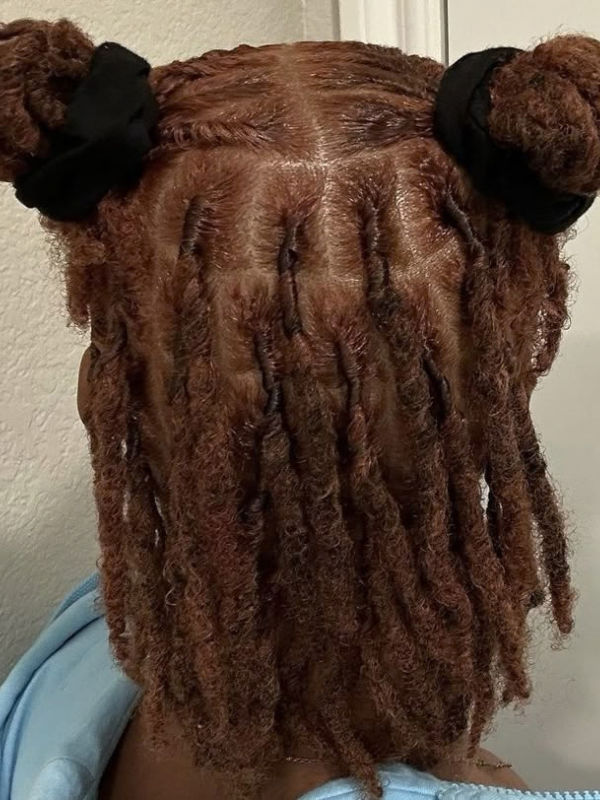
Chocolate brown is a lovely option if you want to change your hair color without moving too far from a natural-looking shade. It gives your locs a rich, warm appearance and can look beautiful in natural light.
This color may also be a good starting point if you are not ready for a dramatic transformation. Depending on your starting shade and the dye you choose, you may be able to achieve a darker brown without extensive lightening.
If you prefer understated hair colors, chocolate brown is worth considering.
2. Honey-Blonde Locs
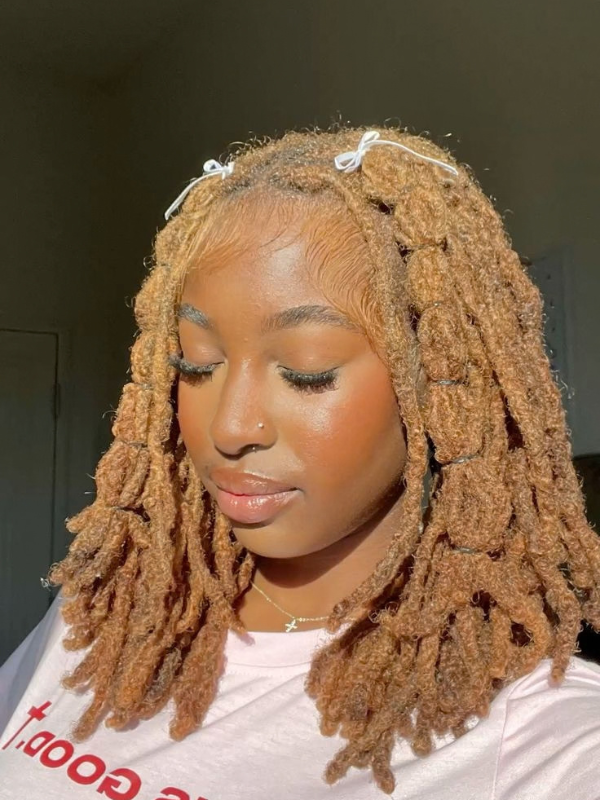
Honey blonde is a warm shade that can give your locs a brighter appearance. It combines golden tones with a soft blonde finish, making it a popular choice for anyone who wants a noticeable change.
However, getting honey-blonde locs from naturally black hair may require bleaching. Since bleach can weaken the hair, it is important to consider your locs’ condition before choosing this shade.
If you love this color, consult a professional who understands locs and can help you achieve a suitable result.
3. Burgundy Locs
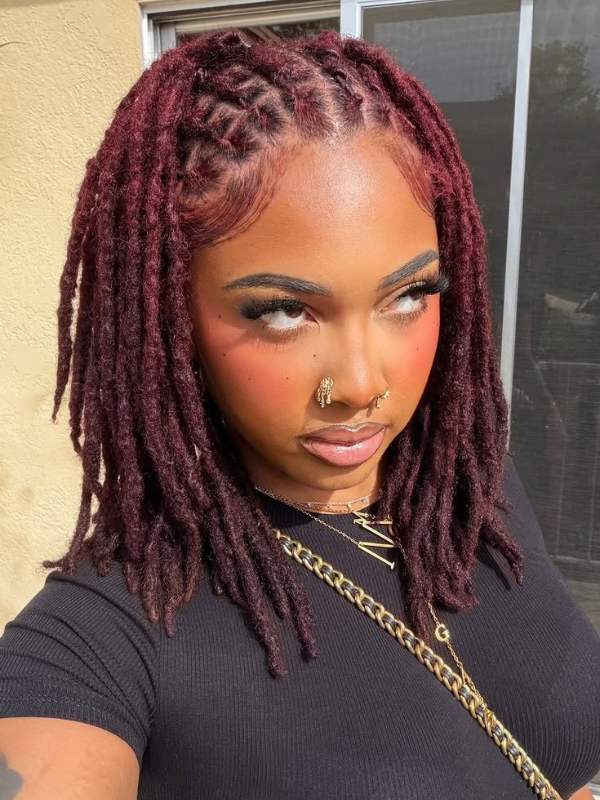
Burgundy is a rich, reddish-purple shade that can give your locs a bold but elegant appearance. It is a good option if you want something different from brown or blonde without choosing a very bright color.
Depending on the dye and your natural hair color, burgundy may appear subtle on dark locs or more vibrant on lighter hair.
You can also explore deeper wine-red shades if you prefer a darker finish.
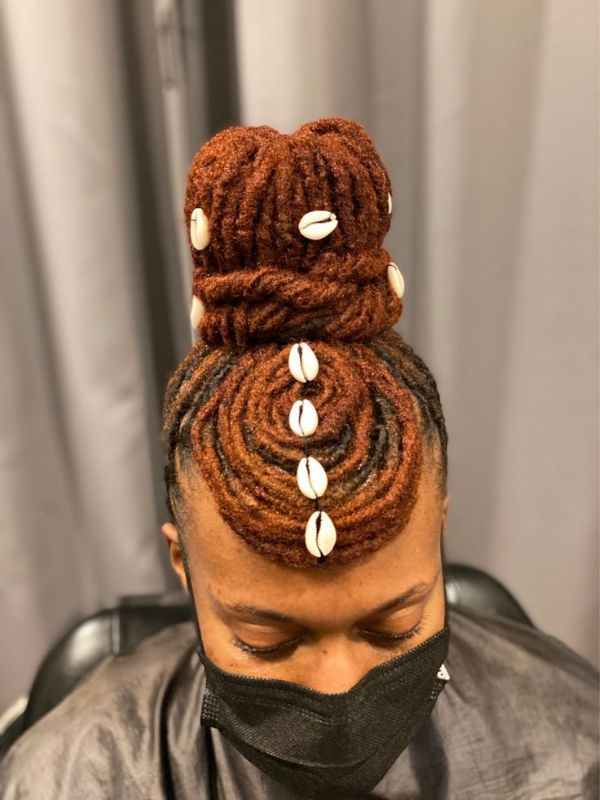
4. Copper Locs
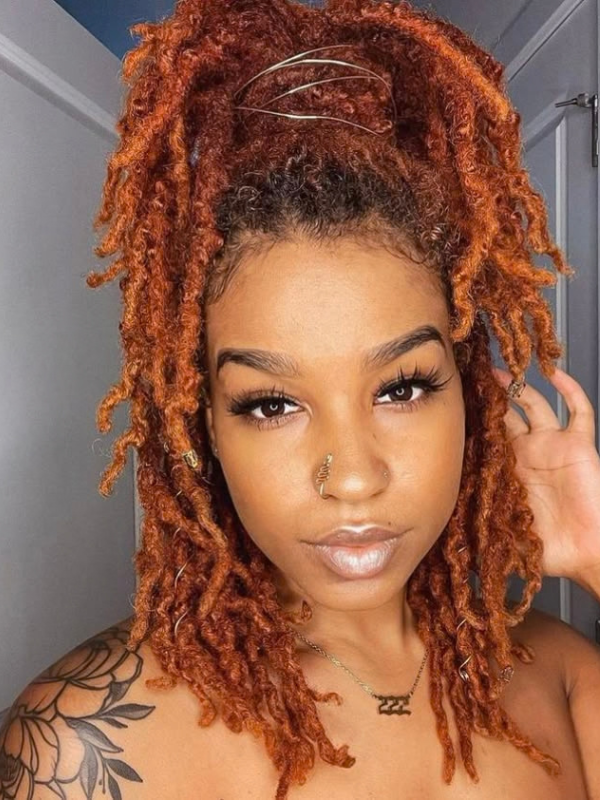
Copper locs are perfect if you love warm, reddish-orange tones. This shade can make your locs stand out, especially when the color catches natural light.
However, the brightness of the result depends on your starting hair color. Dark locs may need lightening before a vibrant copper shade becomes visible.
Before choosing this color, consider how much processing your hair would need and whether your locs are strong enough for it.
5. Auburn Locs

Auburn combines red and brown tones to create a warm, natural-looking shade. It is a nice option if you want something richer than brown but less vivid than bright copper.
This color can work well for people who prefer warm hair tones without going fully blonde or red.
As with other shades, the result will depend on your natural color and the product used. Ask a professional whether you can achieve your desired auburn shade without unnecessary lightening.
6. Caramel Highlighted Locs
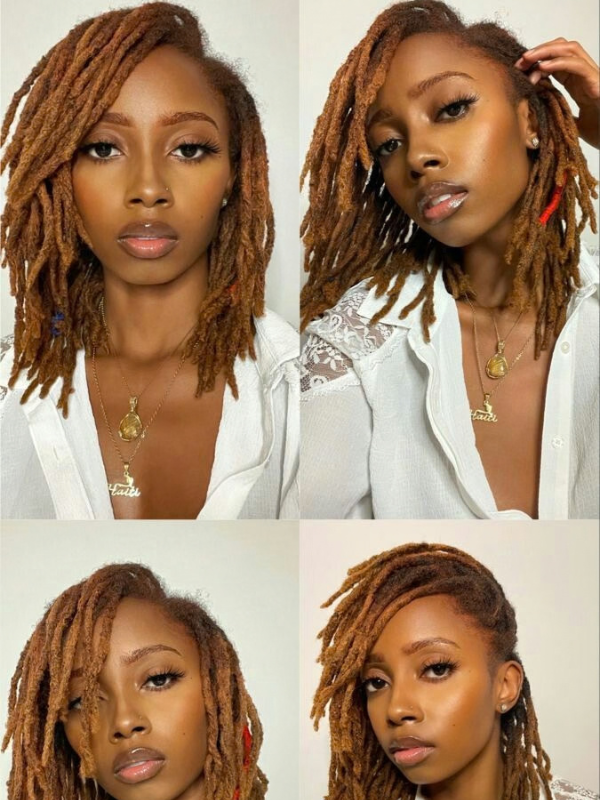
You do not have to color every loc to change your appearance. Caramel highlights can add warmth and contrast while allowing some of your natural dark color to remain visible.
You can choose a few highlighted locs around your face or distribute the lighter sections throughout your hair.
However, highlights may require bleach when your natural hair is very dark. The fact that only some locs are colored does not automatically make the process damage-free.
7. Golden Blonde Locs

Golden blonde is brighter and more yellow-toned than many honey-blonde shades. It can create a striking look, especially on longer locs.
If you are starting with naturally black hair, achieving a clear golden-blonde shade will usually require substantial lightening.
Because repeated bleaching can weaken locs, avoid trying to reach this shade through several aggressive treatments at home. A professional colorist can help you understand what is realistic for your hair.
8. Jet-Black or Blue-Black Locs

If you love dark hair, you can still experiment with color. Jet black gives locs a deep, uniform appearance, while blue-black has a subtle cool tone that may become more noticeable under certain lighting.
These shades may be worth considering if you want to refresh your existing color rather than move to a lighter one.
However, permanent dyes can still cause chemical damage or scalp irritation. Choose your product carefully and follow its instructions.
9. Ginger Locs
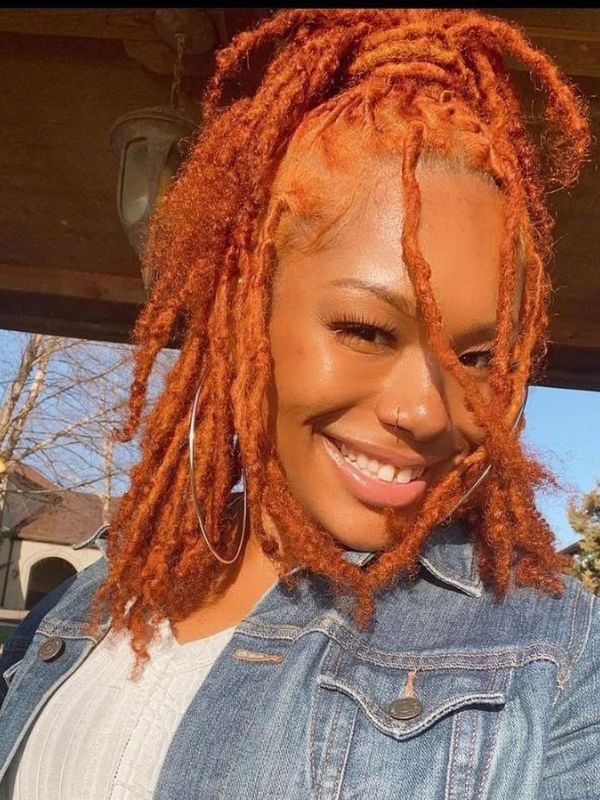
Ginger locs feature warm orange, copper, and golden-red tones. They are a great option if you want something brighter and more playful than traditional brown shades.
The final result can range from soft ginger to vivid orange, depending on the starting color and dye formula.
If your locs are naturally dark, achieving a bright ginger shade may require lightening. Consider this before deciding whether the color is suitable for your hair.
10. Cherry-Red Locs
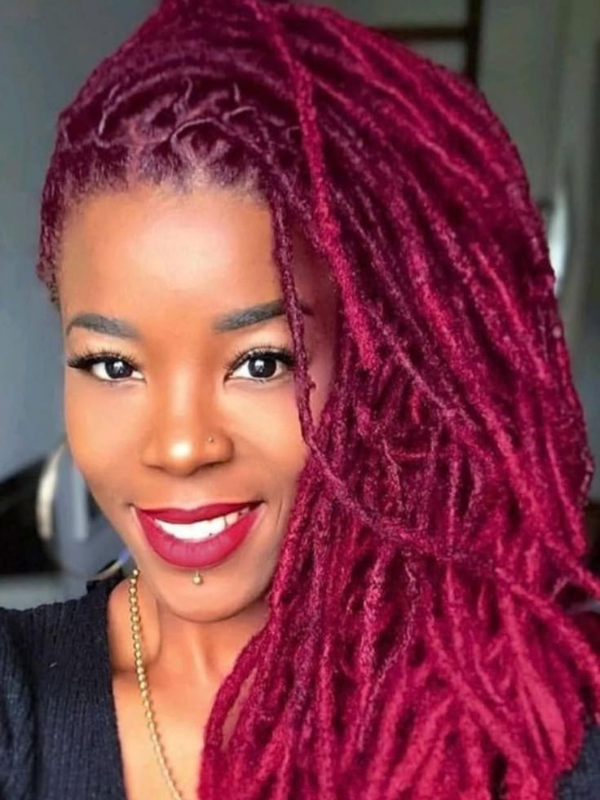
Cherry red is a vivid red shade that can make your locs stand out. You can choose a deeper red for a more subtle look or a brighter version if you want something bold.
Keep in mind that bright red shades may fade over time, and the color you achieve will depend on your starting hair color.
Before coloring, ask about maintenance and how to refresh the shade without repeatedly processing the entire length of your locs.
11. Purple Locs

Purple locs can range from deep plum and violet to brighter, more vivid shades. If you prefer something different from the usual brown, blonde, and red options, purple is worth considering.
A deep purple may look subtle on dark locs, while brighter purple shades may require lightening first.
You can also use temporary color products to experiment with a purple look, provided the product is suitable for locs and can be removed without leaving excessive residue.
12. Blue Locs

Blue locs are a bold choice for anyone who wants to experiment with a more unusual hair color. You can explore navy blue, denim blue, teal, or brighter electric-blue shades.
Darker blues may create a subtle effect on dark hair, while lighter and brighter blues often require a lighter base.
Before choosing this color, consider the level of lightening involved and how much maintenance the shade may need.
13. Silver or Grey Locs
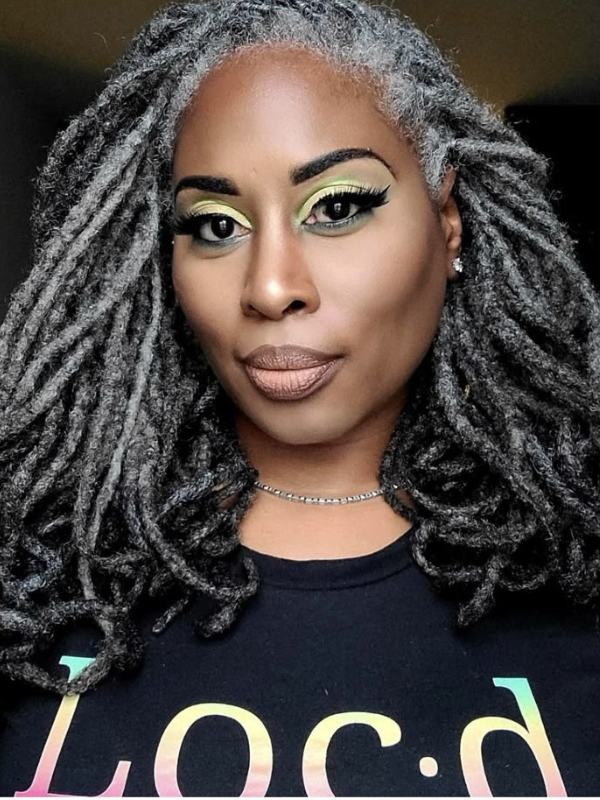
Silver and grey locs can create a striking, modern look. You can choose a soft grey, a metallic silver, or a deeper charcoal shade.
However, achieving a clear silver color on naturally dark hair usually requires significant lightening. This can be particularly demanding on locs that have already been chemically treated.
If you love silver locs, get professional advice before starting the process. It is important to consider hair strength as well as the final shade.
14. Rose-Gold Locs
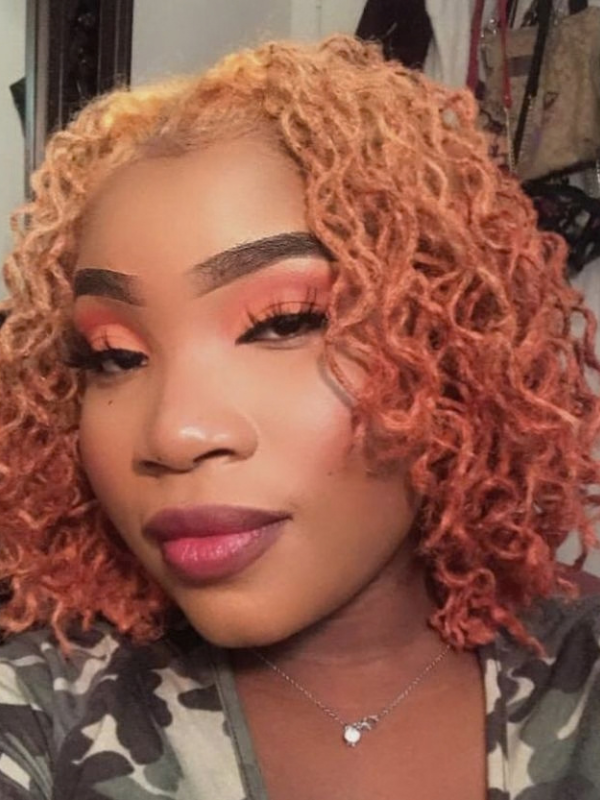
Rose gold combines pinkish, copper, and golden tones. It offers a softer alternative to bright pink while still giving your locs a noticeable color change.
The shade can look different depending on the base color. On darker hair, the result may be subtle, while lighter hair can show the pink and gold tones more clearly.
Because some rose-gold shades require a light base, ask about the coloring process before committing.
15. Ombre Locs

Ombre locs feature a gradual transition from one color to another. For example, you could keep your roots dark and introduce caramel, copper, or blonde toward the ends.
This style can be a good option if you want a color change without making every loc the same shade.
However, the lighter sections may still require bleaching, and the ends of your locs may be particularly vulnerable if they are already dry or damaged.
Talk to a colorist about how to create the look while limiting unnecessary chemical processing.
Before choosing a color, remember this: The shade you see in an inspiration picture may not be achievable on your locs without lightening. Choose a color that suits your style, but consider the condition of your hair and the process required to achieve it.
How to Dye Locs Without Damaging Them
You can color your locs while taking steps to reduce the risk of damage. However, no chemical coloring process is completely risk-free. The result depends on the product you use, the color you want, and the condition of your locs before you begin.
For example, adding a darker brown shade to your natural black locs may be easier than trying to turn them blonde. Lighter colors often require bleach or another lightening process. These products change the natural pigment in your hair and can weaken the hair fibers.
This is why it is important to think about the color you want before buying a dye. A shade that looks beautiful in a picture may require more processing than your locs can comfortably handle.
You should also consider the age and condition of your locs. If your hair is already dry, weak, or breaking around the roots, coloring it immediately may make the problem worse. It is better to address those concerns first.
Most importantly, do not focus only on how your locs will look after coloring. Think about how you will maintain them afterward, too. Healthy-looking colored locs require proper care, not just a good dye job.
What to Consider Before You Dye Your Locs
Before you start applying color, take a little time to assess your hair. It is easy to get excited about a new shade and forget that your locs need to be in good condition to handle chemical processing.
Before deciding how to dye locs, check whether your hair is strong enough to handle the coloring process.
Check the condition of your locs
Start by examining your locs, especially the roots and thinner sections. Do they feel unusually weak? Are you noticing more breakage than usual? Do some locs look thinner than others?
These are things you should pay attention to before coloring your hair.
If your locs are already fragile, bleaching or using permanent dye may increase the risk of breakage. You should also avoid applying color to a scalp that is irritated, scratched, or sore.
Remember, the goal is to change your hair color without creating a problem that takes months to correct.
Consider how mature your locs are
If you have starter locs, you may want to wait before introducing chemical color. Starter locs are still forming, and their structure may be less established than that of mature locs.
This does not mean mature locs are immune to damage. Older locs can also become weak when exposed to harsh chemicals or repeated lightening.
If you are unsure whether your locs are ready, speak with a loctician who has experience with colored locs. They can assess your hair and help you decide whether it is better to wait.
Think about previous treatments
Have you dyed your locs before? Have you bleached them, relaxed your hair before starting locs, or used other chemical treatments?
Your hair’s history matters.
Previously processed hair may be more vulnerable to additional chemical stress. Applying another strong treatment without considering what your hair has already experienced can increase the risk of dryness and breakage.
Therefore, be honest about your hair history when speaking with a professional. It will help them recommend a more suitable approach.
How to Choose the Right Dye When Learning How to Dye Locs
Not every hair color product works the same way. Some deposit color without significantly lightening your natural shade, while others use stronger chemicals to change the color of your hair.
The best approach to how to dye locs depends on your starting hair color, the shade you want, and whether the process requires bleach.
Semi-permanent hair dye
Semi-permanent dye is an option if you want to experiment with color without committing to a permanent change. Depending on the product, it deposits color onto the hair without the same lightening process used by many permanent dyes.
However, the result depends on your starting hair color. For example, a bright color may barely show on very dark locs, while a darker or more pigmented shade may be more noticeable.
Also, do not assume that semi-permanent dye cannot cause any problems. Some products may irritate your scalp, stain your locs, or leave residue if they are not rinsed properly.
Always read the instructions and choose a product intended for your hair.
Permanent hair dye
Permanent dye can provide a longer-lasting color change. It may be suitable if you want to change your locs to a different shade or cover existing color.
However, some permanent dyes use chemicals that can alter the hair’s structure. The amount of damage depends on the formula and how it is used.
If you are considering permanent color, pay attention to your hair’s condition and the instructions on the product. Do not leave the dye on longer than recommended in an attempt to achieve a deeper shade.
Temporary hair color
Temporary color sprays, waxes, and similar products can help you experiment with a different look without making a permanent color change.
These products may be useful if you want to see how a shade looks on you before committing to chemical coloring.
Still, locs require extra attention when using temporary products. Some formulas can leave buildup, transfer onto clothing, or become difficult to remove from dense locs.
Choose products carefully and make sure you understand how to wash them out.
Bleach and hair lighteners
If you want blonde, light caramel, or some bright copper shades, you may need to lighten your natural hair color first.
This is where you need to be particularly careful.
Bleach removes natural pigment from the hair, but the process can also weaken the hair fibers. Repeated bleaching can make locs feel rough, dry, or brittle. In severe cases, the hair may begin to break.
If you have dark locs and want a much lighter shade, visit a professional colorist who understands locs. Lightening dense locs evenly can be challenging, and correcting a poor result may require additional processing.
How to Dye Locs Without Damaging Them Step by Step
Once you have chosen your color, the next step is to prepare your hair properly. These steps can help reduce avoidable problems during the coloring process.
When learning how to dye locs, remember that preparation, careful application, thorough rinsing, and proper drying all matter.
Step 1 — Assess your locs before coloring
Before opening the dye, examine your locs and scalp. Check for thinning roots, weak sections, unusual breakage, and signs of irritation.
If your locs are in poor condition, postpone coloring until you have addressed the problem. If you are unsure whether your hair can handle the process, seek professional advice.
It is much easier to prevent damage than to repair weakened locs afterward.
Step 2 — Choose a color that suits your starting shade
Think about the difference between your current hair color and the shade you want.
If your locs are naturally black and you want a dark brown shade, you may have more options that do not require extensive lightening. However, if you want a light blonde shade, the process may be more demanding.
Do not choose a color based only on a picture you found online. The person’s starting hair color, lighting, and previous treatments can affect the final result.
If possible, discuss your desired shade with a professional before proceeding.
Step 3 — Read the product instructions
This step may seem obvious, but it is important.
Different dyes have different instructions for application, processing time, rinsing, and aftercare. Do not assume that a product works the same way as one you have used before.
Follow the manufacturer’s allergy alert test instructions before each use. Also, perform a strand test as directed to see how your locs respond to the product and whether you like the result.
Keep in mind that a strand test cannot guarantee that you will not experience an allergic reaction or prevent every form of damage.
Never use a product if you are allergic to one of its ingredients or if the instructions advise against its use in your circumstances.
Step 4 — Protect your scalp
Your scalp deserves as much attention as your locs.
Do not apply dye to a scalp that has open sores, scratches, or irritation. Follow the product’s directions for protecting the skin around your hairline and ears.
You should also avoid scratching your scalp immediately before coloring. Scratches can make it easier for irritating ingredients to come into contact with damaged skin.
If you experience burning, severe itching, or another unexpected reaction during application, follow the product’s safety instructions and remove the product as directed. Do not ignore a reaction just because you want the color to come out well.
Step 5 — Apply the dye carefully
When applying color to locs, even coverage can be challenging. This is especially true if your locs are thick, long, or tightly packed.
Follow the product instructions for application. Work carefully and avoid improvising with the amount of developer, mixing products, or processing time.
You should also avoid repeatedly applying dye to the same sections without considering previous treatments. Overlapping chemical color, particularly bleach, can weaken the hair.
If you are coloring your locs for the first time, or if the process involves significant lightening, having a professional do it may be the better choice.
Step 6 — Rinse your locs thoroughly
Rinsing is one of the most important parts of coloring locs.
Because locs are dense, it can be harder to remove every trace of a product than it is with loose hair. Leftover dye and other product residue may contribute to buildup or irritation.
Follow the manufacturer’s rinsing instructions carefully. Make sure you give your locs enough time and water to rinse thoroughly rather than rushing through the process.
If the product instructions recommend a particular shampoo or post-color treatment, follow that guidance.
Step 7 — Condition your locs and allow them to dry completely
After coloring, use a suitable conditioner or treatment if recommended for the dye and your hair type.
Conditioning can help improve softness and manageability. However, it will not reverse all the damage caused by chemical processing.
Drying is equally important. Locs can hold moisture deep inside, even when the outside feels dry. Therefore, allow enough time for your locs to dry fully.
Use good airflow and avoid leaving your locs damp for extended periods. If your locs are very thick, drying may take longer than you expect.
Do not rush this stage just because you are excited to show off your new color.
How to Dye Locs Without Bleaching Them First
This depends on the color you want.
If you want a darker shade, you may not need bleach. However, if you want to move from natural black locs to a much lighter color, lightening may be necessary.
Understanding how to dye locs without unnecessary bleaching can help you choose a color that suits your hair’s condition.
The problem is that bleach can weaken the hair, especially when used repeatedly or left on for too long.
Imagine wanting honey-blonde locs and deciding to bleach them several times because the first result is not light enough. You may eventually achieve the color you want, but your locs could become dry and fragile along the way.
This is why you should not chase a particular shade at the expense of your hair’s condition.
If you want to go blonde, platinum, or significantly lighter than your natural shade, consult a colorist who has experience working with locs. They can assess your hair, discuss realistic color options, and help you understand the risks before beginning.
You should also remember that previously colored locs may react differently to bleach than untreated hair. A professional assessment is especially useful in this situation.
Common Mistakes to Avoid When Learning How to Dye Locs
Sometimes, the problem is not the color itself but how the coloring process is handled.
One important part of how to dye locs safely is knowing when to postpone coloring rather than risk damaging fragile hair.
Here are some mistakes worth avoiding.
Bleaching weak locs. If your locs are already breaking or thinning, adding a strong chemical treatment can make the problem worse. Address the weakness before considering a color change.
Skipping the strand test. You may end up with a shade that looks different from what you expected. Testing a small section first can help you make a more informed decision.
Leaving dye on for too long. More processing time does not automatically mean a better result. Follow the manufacturer’s instructions and never extend the recommended time to force a particular shade.
Ignoring your scalp. Itching, burning, and irritation should never be treated as normal parts of coloring. Pay attention to your scalp and follow the product’s safety guidance.
Rinsing too quickly. Locs need thorough rinsing to remove product residue. Take your time and follow the directions for the specific dye you are using.
Coloring your locs too frequently. Repeated chemical processing can increase the risk of damage. This is particularly important if you are regularly lightening your hair or touching up previously bleached sections.
Forgetting about aftercare. Your locs may need extra attention after coloring. Do not assume the job is finished once you achieve your desired shade.
How to Care for Your Locs After You Dye Them
Knowing how to dye locs is only part of the process; caring for your colored locs afterward is just as important.
Your loc care routine may need some adjustments after coloring. The goal is to keep your locs clean, manageable, and in the best condition possible.
Keep your locs moisturized
Colored locs may feel drier after chemical processing. A suitable water-based moisturizer can help improve how your hair feels.
You can also use a lightweight oil if it suits your routine, but remember that oil alone does not provide the same type of hydration as water.
Avoid applying too many products at once. Locs can accumulate buildup, and adding layer after layer of heavy products may make washing more difficult.
Wash your locs properly
You still need to wash your locs after coloring. Choose a shampoo suitable for your hair and scalp, and follow any product-specific advice about when to wash after treatment.
When washing, pay attention to your scalp and make sure you rinse your locs thoroughly.
If you use color-depositing products or temporary color waxes, check the instructions for removal. Some products may require a particular washing method to prevent residue from accumulating.
Use a suitable conditioner
A suitable conditioner can help your locs feel softer and easier to manage after coloring.
However, you should consider how easily the product rinses out. Heavy products that leave residue may not be ideal for your loc care routine.
If your locs have become noticeably brittle after chemical processing, conditioning alone may not be enough to restore their strength. You may need to stop further chemical treatments and consult a professional.
Allow your locs to dry completely
This is especially important if you have thick locs.
The outer part of a loc may feel dry while the inside still holds moisture. Give your hair enough time to dry fully after washing.
You can use a hooded dryer or another suitable drying method if appropriate for your hair and routine. Follow the equipment instructions and avoid excessive heat.
Be gentle with your roots
Pay attention to your roots after coloring, particularly if you have experienced dryness or breakage.
Avoid tight styles that place unnecessary tension on your scalp. Also, do not repeatedly pull, twist, or manipulate weak sections in an attempt to make them look neater.
If you notice new thinning or significant breakage, stop further chemical processing and seek professional advice.
How Often Can You Dye Locs Without Causing Damage?
There is no single schedule that works for everyone.
If you are learning how to dye locs, remember that the right interval between treatments depends on your hair’s condition and the coloring method.
For example, refreshing a temporary color is different from repeatedly bleaching your locs to maintain a light shade.
You should also think carefully before recoloring the entire length of your locs every time your roots grow out. Depending on the coloring method, repeatedly treating previously processed sections may cause unnecessary damage.
Instead, assess your hair before every treatment. If your locs feel weak, appear unusually brittle, or are breaking, postpone further chemical processing.
If you regularly color your locs, a professional can help you develop a maintenance plan that takes your hair’s condition into account.
How to Dye Locs and Manage Dryness After Coloring
Sometimes, your locs may feel rough or dry after coloring, even when you have followed the instructions.
Even when you understand how to dye locs properly, chemical coloring can still cause dryness, so pay attention to changes in your hair.
The first thing to do is avoid adding another chemical treatment in an attempt to fix the problem.
Start with gentle care. Use a suitable shampoo and conditioner, avoid unnecessary heat, and handle your locs carefully when washing and styling.
You can also review the products you use regularly. If you have been applying several heavy oils, creams, or styling products, you may need to adjust your routine to reduce buildup.
However, there is a difference between mild dryness and serious chemical damage.
If your locs are snapping, breaking easily, or becoming noticeably thinner, stop coloring them and seek professional advice. A conditioner or oil may improve how your hair feels, but it cannot repair every form of structural damage.
If your scalp becomes painful, develops sores, or remains irritated after coloring, seek medical advice. Severe swelling or signs of a serious allergic reaction require urgent medical attention.
How to Dye Locs at Home or Visit a Professional
This depends on the result you want and how comfortable you are with the process.
Dyeing your locs at home may be manageable for certain simple color changes, provided the product is appropriate and you can follow all the instructions carefully.
However, applying color evenly can be difficult when you have thick or long locs. You also need to make sure the product is rinsed out thoroughly.
If you want to bleach your locs, move several shades lighter, correct uneven color, or work with previously processed hair, visiting a professional is usually the wiser option.
Look for someone who understands both loc maintenance and hair coloring. A general colorist may have experience with chemical treatments but not necessarily with the challenges of applying and rinsing products from dense locs.
Before booking, ask about their experience with colored locs, the process they recommend, and the steps they take to reduce damage.
It is better to understand what your hair needs before starting than to spend more money correcting a result that could have been avoided.
Frequently Asked Questions About How to Dye Locs
Can I dye my locs without bleaching them?
Yes. You may be able to dye your locs without bleach if you want a darker shade or a subtle color change. However, brighter or lighter shades often require lightening, especially when your natural hair is very dark.
Is it safe to dye starter locs?
Starter locs need extra care because they are still forming. Chemical coloring may add unnecessary stress, particularly if your hair is fragile. Consider waiting and consult an experienced loctician before applying dye.
Does dye make locs thin?
Dye does not automatically make locs thin. However, chemical damage can weaken the hair and lead to breakage. If your roots become thinner or your locs start snapping, stop further chemical processing and seek professional advice.
Can I dye my locs if they are already dry?
It is better to understand why your locs are dry before coloring them. If they are brittle, weak, or breaking, postpone chemical processing and focus on gentle care. A professional can help you determine whether your locs are suitable for coloring.
What is the safest hair color for locs?
There is no single hair color or dye that is safest for everyone. A darker shade that does not require bleaching may involve less chemical stress than a dramatic lightening process. Your hair’s condition and the product you choose also matter.
How do I keep dyed locs from becoming dry?
Use suitable moisturizing and conditioning products, wash and rinse your locs properly, allow them to dry completely, and avoid unnecessary chemical processing. If your locs become brittle or begin breaking, do not rely on oil alone to solve the problem.
Final Thoughts on How to Dye Locs Without Damage
Learning how to dye locs without damaging them starts with understanding your hair and choosing a coloring method that suits its condition.
You do not have to keep your locs the same color forever. Changing your shade can be a fun way to express yourself and try something new. Whether you prefer chocolate brown, honey blonde, burgundy, copper, or a bold blue, there are plenty of colors to consider.
However, the process matters just as much as the final result.
Before coloring your locs, check their condition, choose your products carefully, follow the instructions, and rinse thoroughly. Afterward, pay attention to moisture, drying, and gentle maintenance.
Most importantly, do not rush into bleaching or repeated coloring just because you want a particular shade. If your locs are fragile or you want a major color change, seek help from a professional who understands locs.
Beautiful colored locs are lovely, but keeping your hair strong and healthy should always be part of the plan.
This Post Showed You How to Dye Locs Without Damaging Them: Everything You Need to Know
You may also like:
20 Starter Loc Mistakes Beginners Should Avoid
How Long Should Your Hair Be Before Starting Locs