20 Types of Locs and How to Choose the Right One for You
I remember when I wanted to start my locs journey. I was really confused about which type of locs to choose. Every time I saw a beautiful set of locs, I found myself wondering if that was the look I wanted. Some were tiny and lightweight, others were thick and full, and some had that natural, freeform look that made them stand out. The more pictures I saw, the harder it became to decide.
I also started thinking beyond how the locs looked. Would they suit my hair? Would I be able to maintain them? What if I chose a type I loved at first but later wished I had gone with something different? I knew that starting locs was a decision I wanted to feel good about, so I did not want to choose based on appearance alone.
If you are in that same position, I understand how confusing it can be. There are so many types of locs, and although some may look similar in pictures, they can differ in size, how they are started, how they mature, and the care they need. Understanding these differences before you begin can help you avoid choosing a style based on appearance alone.
That is why I have put together this guide to 20 types of locs and how to choose the right one for you. We will look at what makes each type different, what to consider before choosing it, and how to find an option that fits your hair, lifestyle, and personal taste. Hopefully, by the end, you will have a clearer idea of the kind of locs you want to begin your journey with.
What to Know Before Choosing the Different Types of Locs
Before looking at the different types of locs, there is something worth understanding. Not every name describes the same thing.
Some terms describe the size of the locs. Others describe how the locs form, how they are installed, or how they are maintained. For example, microlocs are known for their small size, while interlocking is a technique that can be used to create or maintain locs.
This matters because two people can have locs that look similar but follow very different installation and maintenance routines. If you are still deciding how to begin your journey, read this starter locs guide for healthy and beautiful locs to learn about the different starting methods and what to expect during the early stages.
Your natural hair also plays a part. Hair texture, density, strand thickness, length, and scalp health can all influence which approach works well for you. Therefore, think about the following before making a decision.
- The size you prefer. Do you like tiny locs, medium sections, or thick, chunky locs?
- The look you want. Would you prefer neat, uniform sections or a more organic appearance?
- Your maintenance routine. How much time can you dedicate to washing, root maintenance, and styling?
- Your budget. Can you afford the initial installation and the upkeep your chosen method may require?
- Your long-term plans. Are you ready to grow natural locs, or would you prefer temporary loc extensions first?
With these points in mind, let’s explore 20 types of locs and what makes each one worth considering.
20 Types of Locs to Consider for Your Hair Journey
1. Traditional Locs
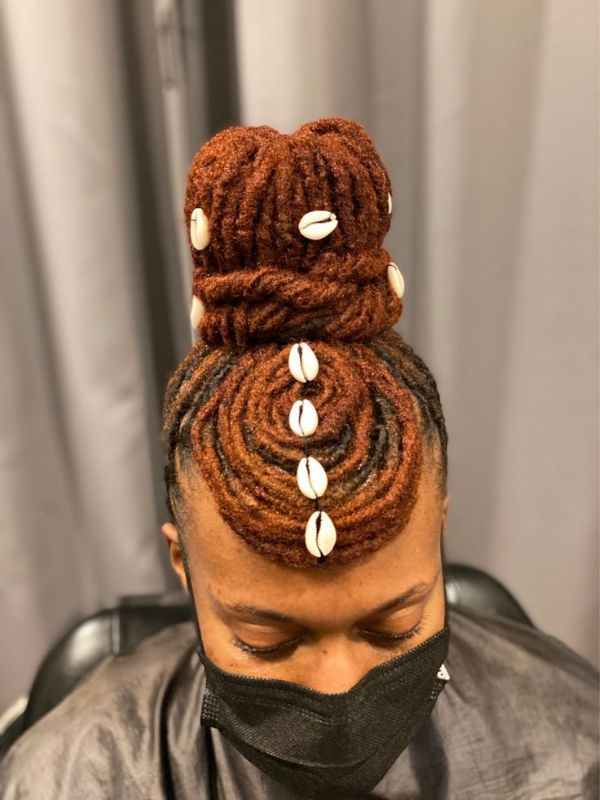
Traditional locs are a popular choice for people who want a classic loc look that can grow with them over the years. They are usually formed from clearly sectioned strands of hair that gradually mat together and become more established.
Among the different types of locs, traditional locs stand out for their versatility and the range of sizes you can choose. You can start with smaller sections, choose a medium size, or opt for thicker sections for a fuller appearance.
You can begin traditional locs with two-strand twists, comb coils, braids, or other suitable methods. The method you choose affects how your locs look at the beginning and how they develop over time.
One appealing thing about traditional locs is the range of styles they can offer. As they grow, you can wear them loose, style them into buns, or create twists and other updos when the length allows.
However, traditional locs still need proper care. Your roots need attention, your scalp needs regular cleansing, and your locs must dry thoroughly after washing. Retwisting too often or making the roots too tight can also cause damage.
Who should consider traditional locs?
Traditional locs may suit you if you want a classic appearance, prefer clearly defined sections, and want the freedom to choose a size that matches your taste.
2. Microlocs
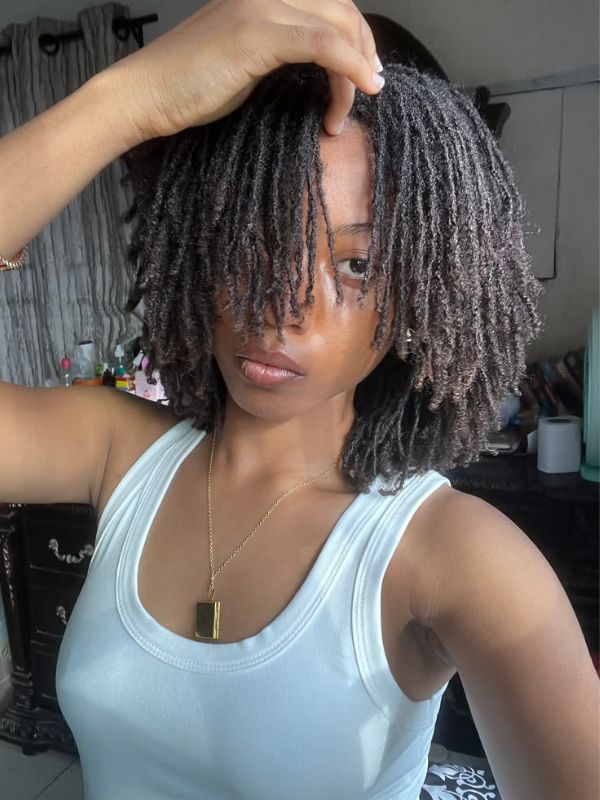
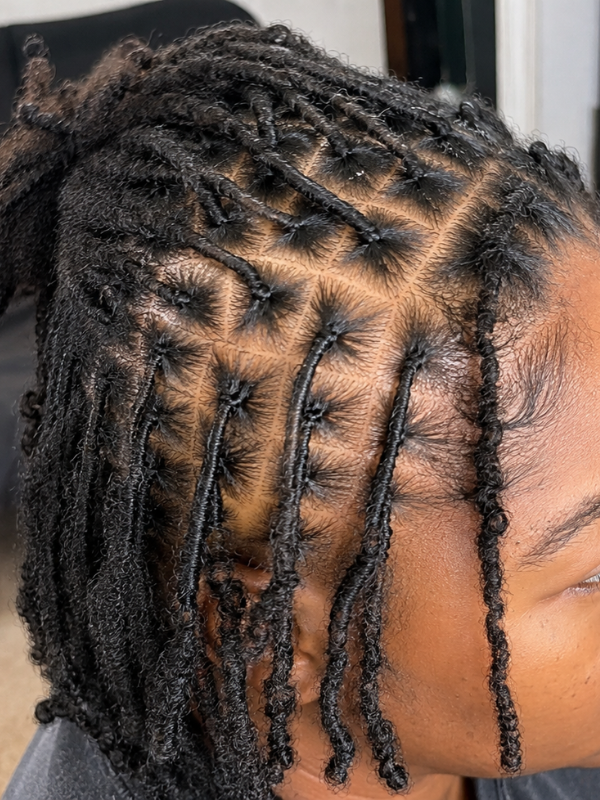
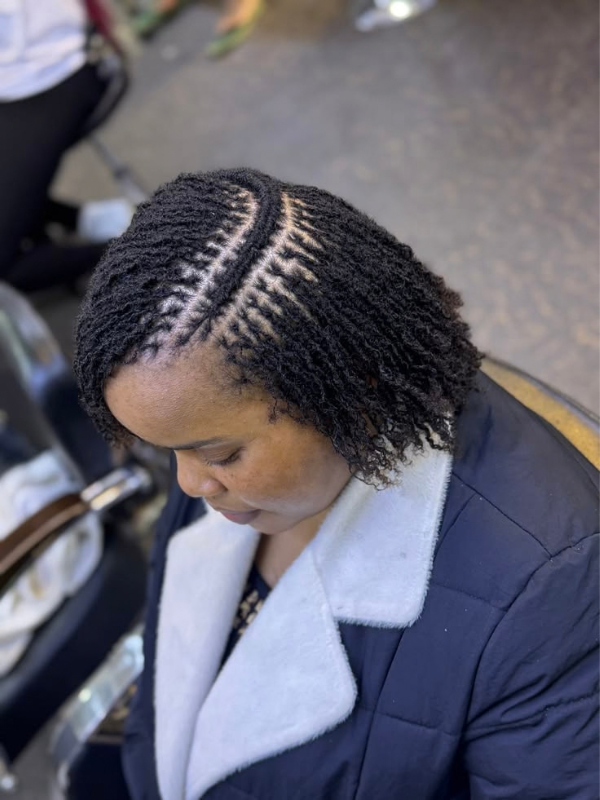
Microlocs are small locs that give the hair a fine, detailed appearance. Because each loc is relatively small, a full head can have many individual locs. This can create a look that moves differently from thicker traditional locs.
When comparing types of locs, microlocs are worth considering if you prefer smaller sections and a fine overall appearance. If you have been saving pictures of locs that look almost like loose natural hair from a distance, microlocs may be one of the options you have been seeing.
Microlocs can be started using methods such as two-strand twists, braids, coils, or interlocking. The right method depends on your hair and the size you want. Their small size can also provide plenty of styling options, including ponytails, buns, curls, and other styles once your locs are long enough.
However, do not choose microlocs based on appearance alone. Installing them can take a considerable amount of time, especially when the sections are very small. Maintenance can also be detailed because there are many individual locs to care for.
Before choosing this option, ask about the installation process, expected maintenance, and total cost. This will help you decide whether microlocs fit your budget and routine.
Who should consider microlocs?
Microlocs may appeal to you if you prefer small locs, want a relatively lightweight appearance, and enjoy having different styling options. Be prepared to consider the installation cost and maintenance routine before committing.
3. Sisterlocks
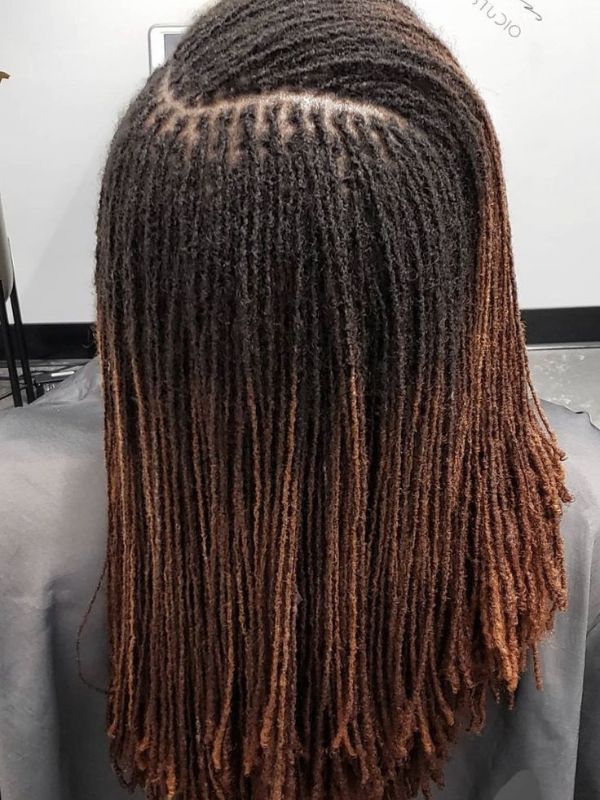
Sisterlocks are a specific type of small locs created through a specialized parting and interlocking system. They are not simply another name for every set of microlocs.
One reason people are drawn to Sisterlocks is their fine, consistent appearance. The small sections can provide styling flexibility, particularly when the locs have grown and matured.
However, the installation process requires specialized training. If you are considering Sisterlocks, look for a qualified Sisterlocks consultant who can assess your hair and explain the process, maintenance requirements, and expected costs.
The small size also means that maintenance requires attention to detail. Retightening appointments can take time, so you should consider whether the ongoing commitment suits your schedule and budget.
For example, you might find a picture of beautiful, tiny locs and assume that any loctician can recreate the same result. Before booking an appointment, find out whether the picture shows Sisterlocks or another microloc method. This simple distinction can help you ask better questions during your consultation.
Who should consider Sisterlocks?
Consider Sisterlocks if you want very small, structured locs and are comfortable with a specialized installation and maintenance system.
4. Brotherlocks
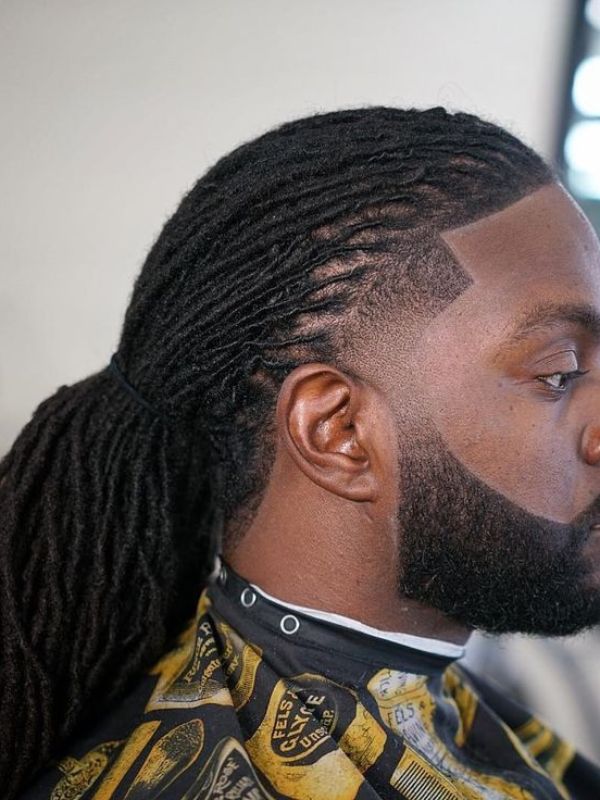
Brotherlocks is a term associated with a specialized small-loc system related to Sisterlocks. It is commonly discussed in the context of men’s locs, although the choice of locs should ultimately depend on the individual’s hair and preferences rather than gender alone.
The appeal is a fine, organised appearance that can work with different lengths and personal styles. Shorter locs may suit someone who prefers a neat, understated look, while longer locs provide more styling options.
As with Sisterlocks, it is important to understand the specific system rather than assuming that any small locs are Brotherlocks. Ask about the installation method, training, maintenance, and whether the system suits your hair.
The main consideration is the long-term commitment. Small locs still require regular care, and specialized services may affect your budget and appointment options.
Who should consider Brotherlocks?
They may suit someone interested in a specialized small-loc system with a consistent appearance and who is prepared for the required maintenance.
5. Freeform Locs
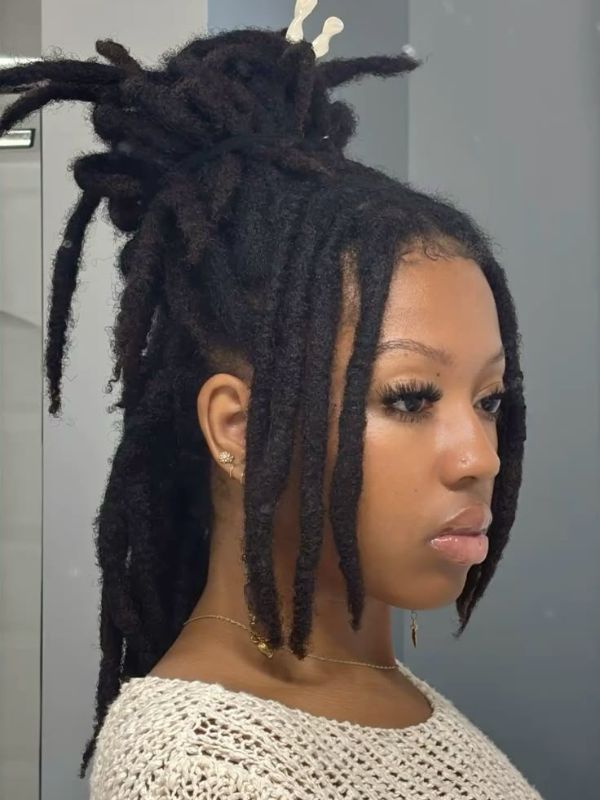
Freeform locs are formed with minimal deliberate shaping. Instead of maintaining a regular grid of parts and repeatedly retwisting the roots, the wearer allows the hair to form locs more organically.
Unlike some other types of locs, freeform locs develop with minimal deliberate shaping, so their final size and pattern can vary.
This approach appeals to people who appreciate the individuality of natural loc formation. The locs may vary in size, shape, and direction. That variation is part of the look rather than something that must always be corrected.
However, freeform does not mean that you should stop caring for your hair. You still need to cleanse your scalp, dry your locs thoroughly, and pay attention to any discomfort or buildup. You may also need to separate sections if you want to prevent neighbouring locs from merging.
One thing worth considering is whether you genuinely enjoy an organic appearance. If you prefer perfectly uniform parts and regularly retwisted roots, freeform locs may not give you the result you want.
Who should consider freeform locs?
Freeform locs may suit you if you want a less structured appearance and prefer minimal manipulation. They are also worth exploring if you are comfortable allowing your locs to develop in their own way.
6. Semi-Freeform Locs
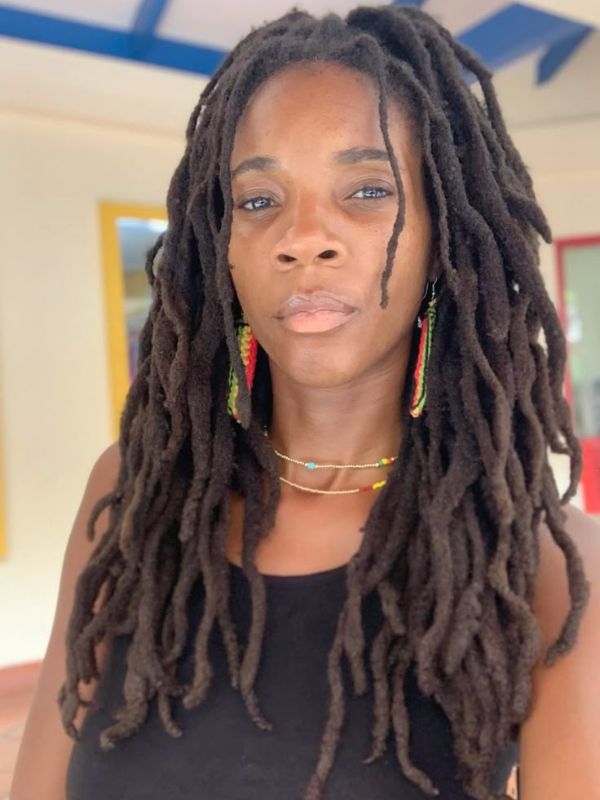
If you like the natural appearance of freeform locs but still want some control over their shape, semi-freeform locs may be worth considering.
Semi-freeform locs sit somewhere between a fully maintained set and a more hands-off approach. You might allow your roots to grow naturally for longer periods while occasionally separating locs to prevent unwanted merging.
The result can be less uniform than traditional locs that receive regular retwists. However, you still have some control over how the sections develop.
This option can appeal to someone who enjoys the freedom of a natural look but does not want every section to merge into larger locs. The amount of maintenance varies depending on your preferences and how your hair naturally forms.
When comparing types of locs, think about how much control you want over your roots. Semi-freeform locs may offer a balance if you prefer an organic appearance but still want to keep some sections separate.
Who should consider semi-freeform locs?
Consider this approach if you want a relaxed, organic appearance without giving up all control over the size and separation of your locs.
7. Two-Strand Twist Locs
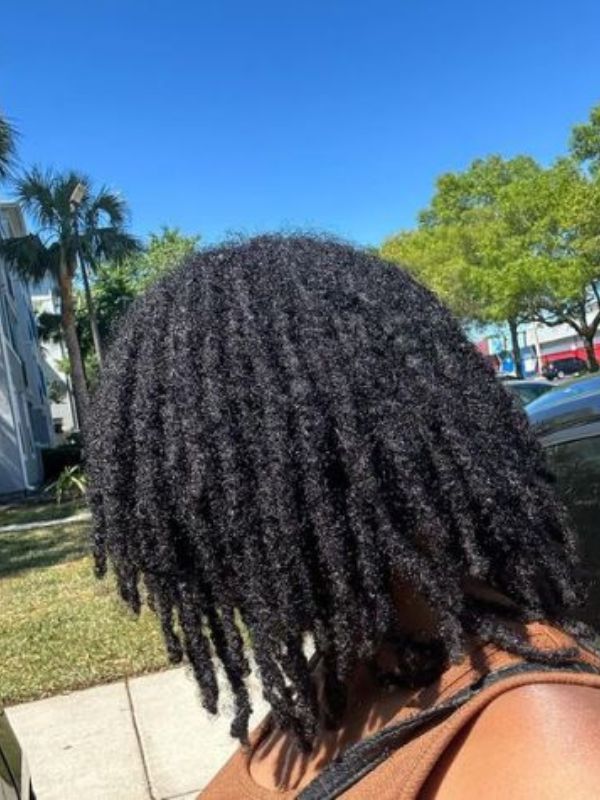
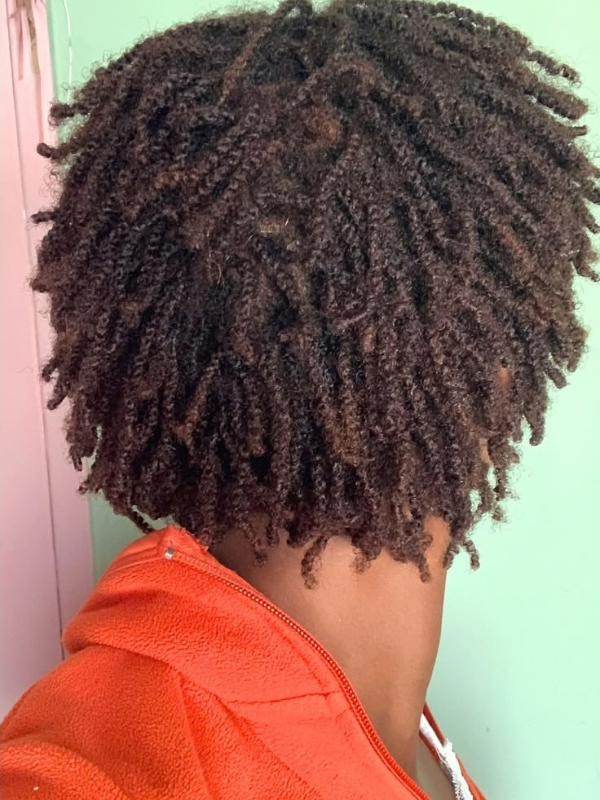
Two-strand twist locs begin with two sections of hair twisted around each other from the roots to the ends. The twists form the starting structure, and the hair gradually develops into locs as the locking process progresses.
This method is popular because the twists provide a defined pattern from the beginning. You can also adjust the size of the sections to create smaller, medium, or larger locs.
However, starter twists do not look exactly like mature locs. In the early stages, they may loosen, frizz, or unravel, particularly during washing. As the hair develops, the twists can become fuller and less defined.
This is worth remembering if you are choosing a starting method based on inspiration pictures. A photo of someone with mature locs may look very different from what your hair will look like during the first few months.
Ask your loctician whether your hair’s texture, length, and density are suitable for this method. You should also learn how to wash and care for your starter locs without causing unnecessary unraveling.
Who should consider two-strand twist locs?
This method may suit you if you want defined starter sections and the flexibility to choose your preferred loc size.
8. Comb Coil Locs
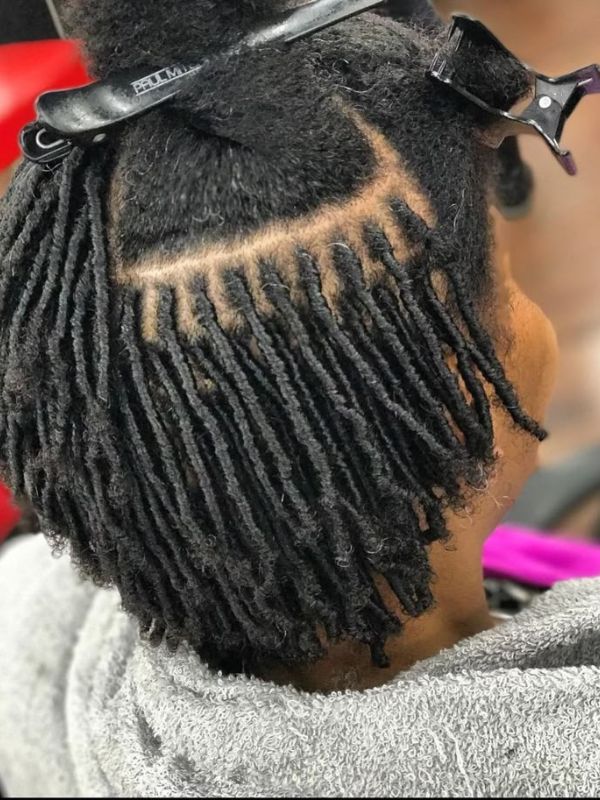
Comb coil locs begin with small sections of hair wound into coils using a comb. The result is a set of defined spirals that can provide a neat starting appearance.
If you prefer to see a clear pattern from the beginning, comb coils may appeal to you. They can also be useful when creating relatively small sections, depending on your hair and the desired result.
The important thing to remember is that the coils need time to mature. They may unravel when wet or lose some of their original definition during the early stages. Your hair texture, washing routine, and the way the coils are installed can affect how well they hold.
For this reason, ask your loctician how to wash your starter locs without causing unnecessary unraveling. You should also avoid excessive retwisting, as too much manipulation can weaken the hair over time.
Among the different types of locs, comb coil locs are worth considering if you like a defined starting pattern and your hair can hold the coils securely.
Who should consider comb coil locs?
Comb coils may be a good option if you want a defined starting pattern and your hair can hold the coils securely.
9. Braid Locs
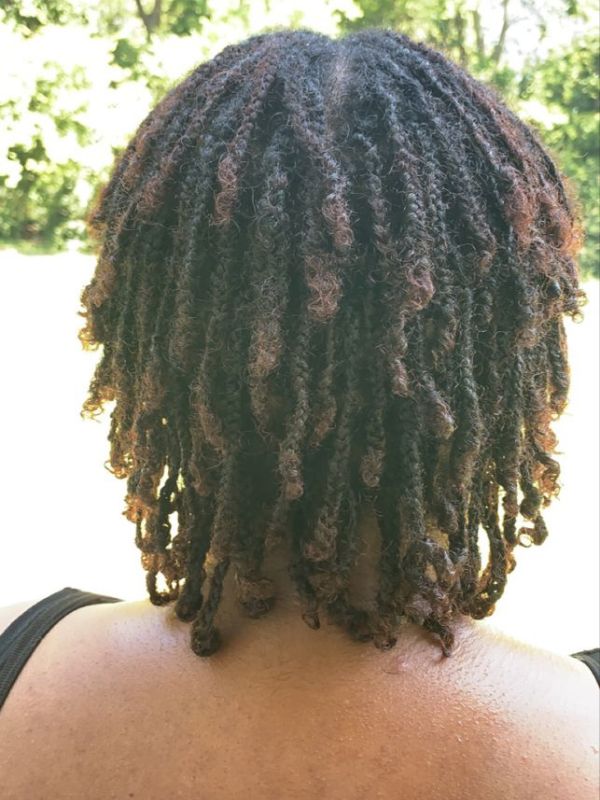
Braid locs, sometimes called braidlocs, begin with sections of hair braided from the roots to the ends. Over time, the hair matures and forms locs while the original braid pattern may remain visible for a while.
One advantage of starting with braids is that the sections can hold their shape during the early stages. This can make the method worth discussing if you have longer hair or find that twists and coils do not hold well.
However, the braid pattern can take time to soften as the locs mature. Your locs may not immediately have the rounded appearance you see in pictures of established traditional locs.
The size of your braids also matters. Very small braids create a different result from larger sections, so think about your preferred loc size before installation.
If you are comparing types of locs for your starter journey, braid locs may be worth discussing with your loctician, particularly if you prefer a braided starting structure.
Who should consider braid locs?
Braid locs may suit you if you prefer a braided starting structure and want to explore a method that can work well with longer hair.
10. Interlocked Locs
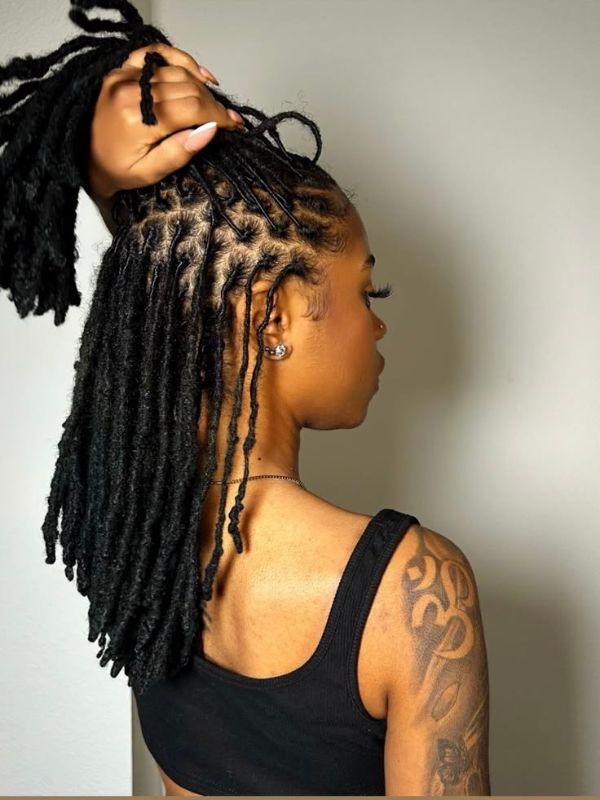
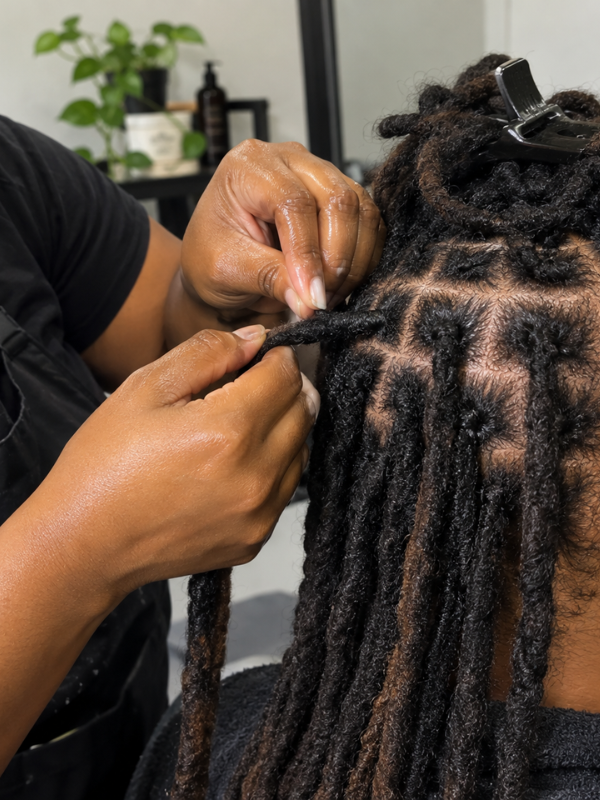
Interlocked locs are created or maintained using an interlocking technique. A tool is used to pass the loc through its root in a particular pattern, helping secure the new growth.
This approach differs from simply twisting the hair at the roots. It can be useful for people who want a more secure root structure, including those whose hair tends to unravel easily with other methods.
It is also an option worth discussing if you wash your hair frequently or have an active routine. However, interlocking is not automatically maintenance-free. Your roots still need care, and the technique must be performed correctly.
Excessive tension, incorrect technique, or overly frequent interlocking can contribute to thinning and breakage. Therefore, it is important to choose an experienced loctician and follow a suitable maintenance schedule.
When exploring types of locs, remember that interlocking is primarily a technique rather than a specific loc size. It can be used with different loc styles, depending on your hair and the desired result.
Who should consider interlocked locs?
Consider interlocking if you want a secure root structure and a maintenance routine that fits your lifestyle. The suitability of the technique depends on your hair and the skill of the person performing it.
11. Crochet Locs
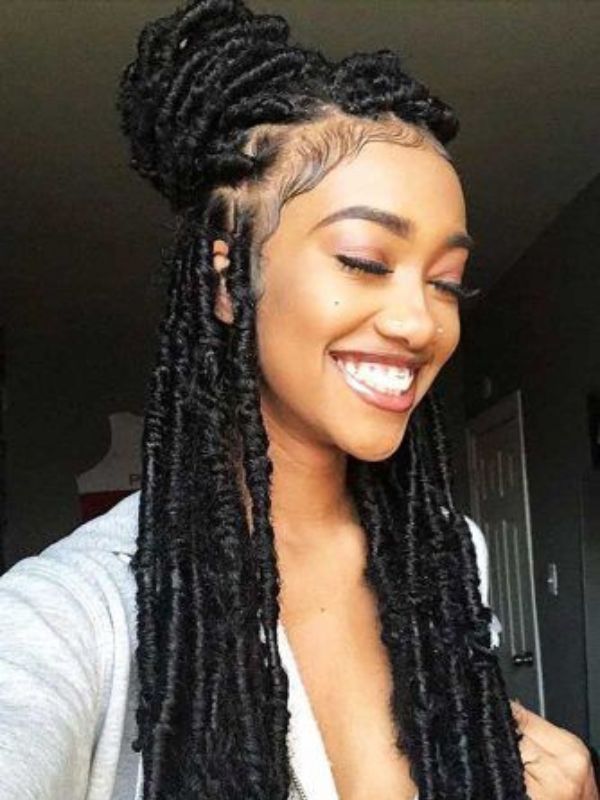
Crochet locs are formed or maintained using a small crochet tool to pull loose hairs into the loc structure. The technique can help compact the hair and create a more established appearance without waiting for the usual locking process to progress naturally.
This method is worth knowing about if you prefer locs with a more compact texture. It can also be used to maintain existing locs, repair certain types of damage, or install extensions.
However, the result depends heavily on the skill of the person performing the technique. Using the tool too aggressively can cause breakage, so it is important to work with someone experienced in crochet locs.
You should also understand that crochet is a technique rather than a single type of loc. A person can have traditional locs that were started or maintained with crochet, for example.
Who should consider crochet locs?
Crochet may suit you if you want a compact loc structure or are interested in a method that can help establish locs more quickly. Discuss your hair’s condition and your desired result with a qualified loctician first.
12. Instant Locs
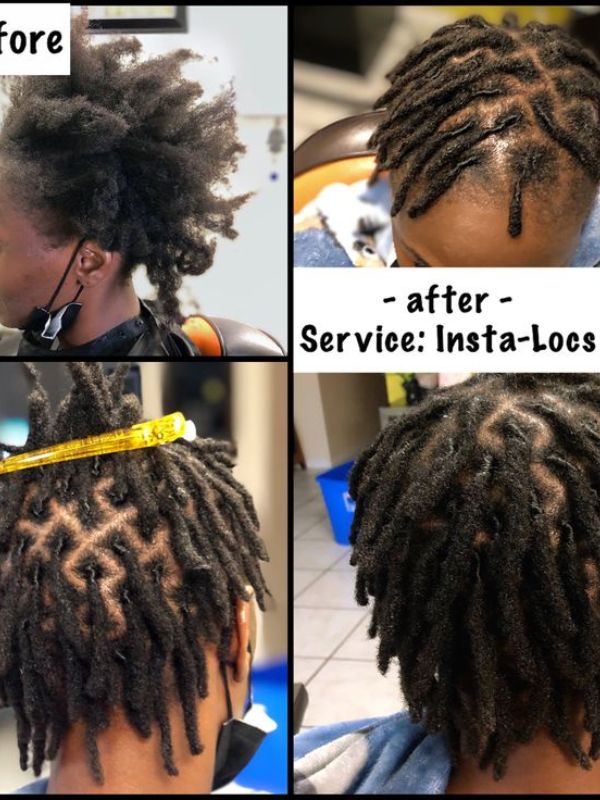
If the thought of spending months with starter locs makes you hesitate, instant locs may catch your attention.
Instant locs are created by compacting sections of loose hair, commonly with a crochet technique, to give them a loc-like structure during installation. Unlike traditional starter methods, which rely on the hair gradually locking over time, instant locs can look established much sooner.
This can be appealing if you want to begin your loc journey without spending as long waiting for the hair to develop its shape. However, the word instant does not mean that your hair will be maintenance-free after installation.
Your locs still need washing, proper drying, scalp care, and attention to their condition as they grow. The installation also needs to be done carefully to avoid creating weak spots or damaging the hair.
It is worth asking your loctician how the locs will mature and what maintenance they recommend. A quick installation is only helpful if the result remains healthy over time.
Who should consider instant locs?
Instant locs may suit you if you prefer a more established appearance from the beginning and want to reduce the time spent waiting for loose hair to lock naturally.
13. Large or Chunky Locs
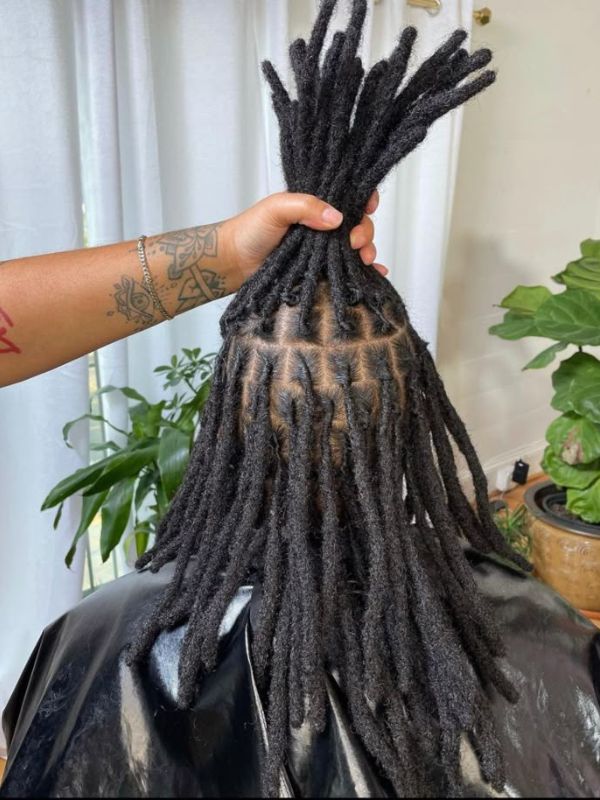
Large or chunky locs are thicker locs that create a fuller, more noticeable appearance.
If you love locs that stand out without needing elaborate styling, this size may appeal to you. Thick locs can look beautiful when worn loose, pulled into a bun, or gathered into a high ponytail.
However, the size you choose at the beginning matters. Larger sections can develop into heavier locs as your hair grows. This means you should think about root strength, sectioning, and the amount of weight your hair can comfortably support.
You should also understand that large locs may offer different styling options from smaller ones. Some intricate styles are easier to create with smaller locs, while chunky locs can make a strong statement on their own.
Among the different types of locs, chunky locs are worth considering if you prefer a bold look. However, talk to your loctician about whether your hair can comfortably support the size you want.
Who should consider chunky locs?
Consider large locs if you prefer a bold appearance and want fewer, thicker sections rather than a head full of tiny locs.
14. Small Locs
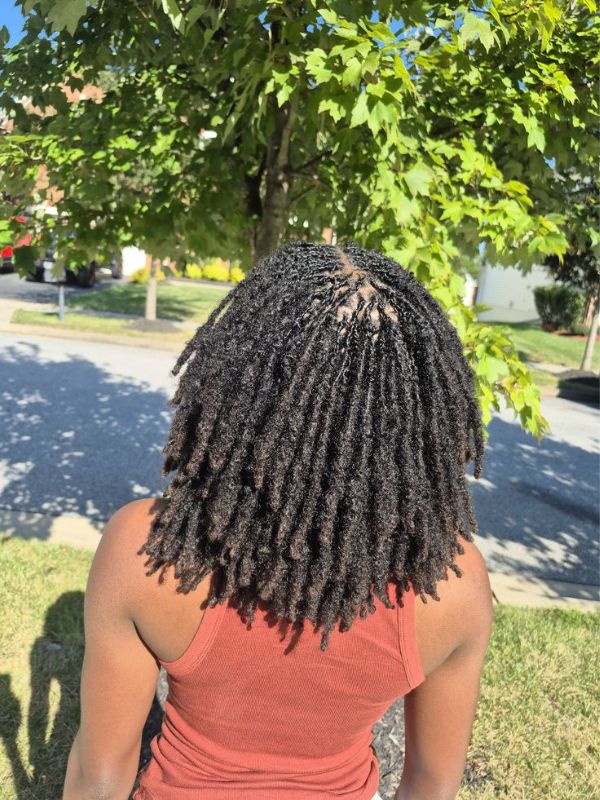
Small locs offer a middle ground for people who want a finer appearance without necessarily choosing microlocs or a specialized system such as Sisterlocks.
The exact size can vary from one loctician to another, so it is better to discuss your desired result using reference pictures rather than relying on the name alone.
One advantage of small locs is their styling flexibility. Depending on their length and thickness, you may be able to create ponytails, buns, curls, and other styles without the locs feeling as bulky as larger sections.
However, smaller locs require thoughtful sectioning. If the sections are too small for your hair’s density or strand thickness, they may be more vulnerable to breakage or thinning in areas under tension.
Before installation, ask your loctician how many locs they recommend and why. The goal is to choose a size that gives you the appearance you want without putting unnecessary stress on your hair.
Who should consider small locs?
Small locs may suit you if you want a relatively delicate appearance with good styling flexibility but do not necessarily want extremely tiny locs.
15. Medium Locs
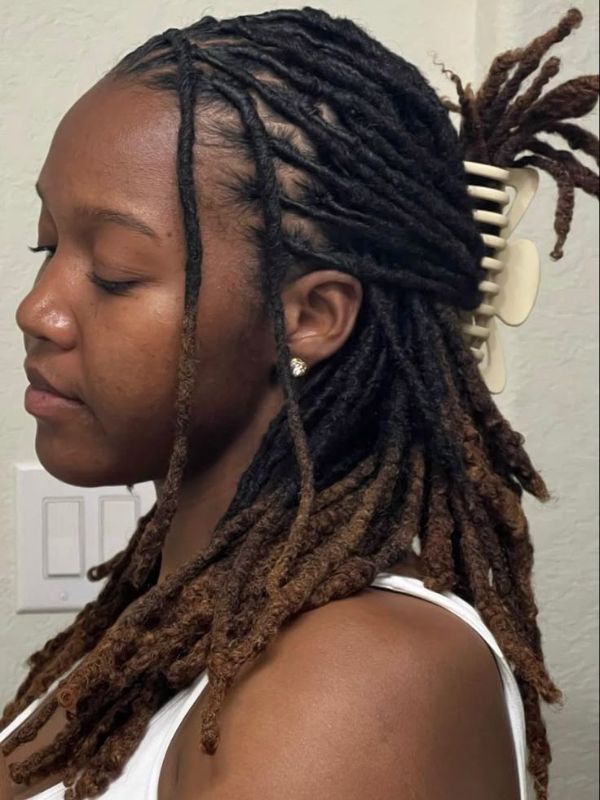
Medium locs are a practical option if you are struggling to decide between small and chunky locs.
They offer a balanced appearance. The locs are noticeable without being as thick as large sections, and they can provide a good range of styling options as they grow.
Medium locs can also be started using different techniques. For example, you might begin with two-strand twists or comb coils, depending on your hair and the look you want.
The main advantage is that you do not have to commit to the very small sections associated with microlocs or the larger sections associated with chunky locs.
Still, medium locs are not automatically the easiest option for everyone. Your hair density, the size of your sections, and your preferred maintenance routine all matter.
Who should consider medium locs?
Medium locs may suit you if you want a balanced size that offers a classic appearance and room to experiment with different hairstyles as your locs mature.
16. Wick Locs
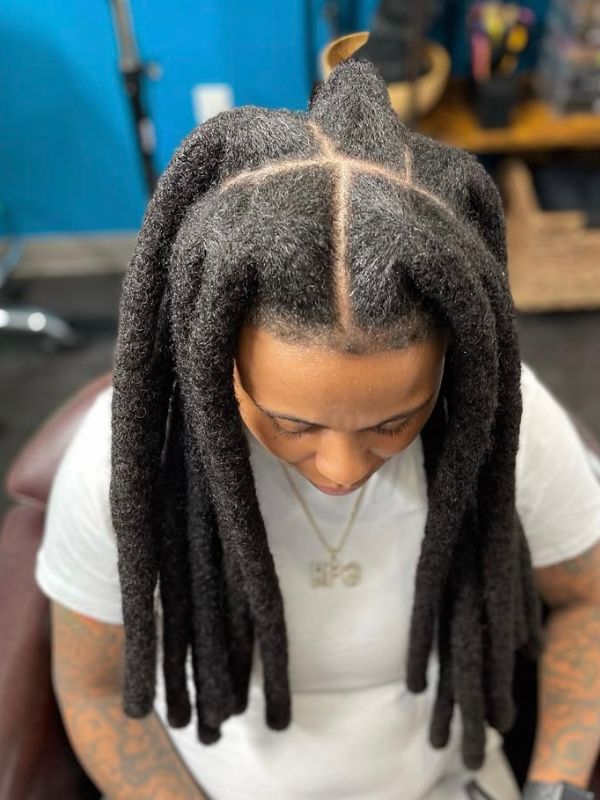
Wick locs are known for their very thick, prominent sections. They are strongly associated with South Florida and have become recognisable for their distinctive appearance.
Unlike a head of many small or medium locs, a set of wicks may consist of only a few thick sections. Some are formed by combining existing locs, while others are created through different installation approaches.
Their size makes them stand out, even when worn without elaborate styling. However, that thickness also means weight and root health deserve careful attention.
If you are considering wicks, speak with a loctician who has experience with this particular style. Ask how the sections will be formed, how much weight they are likely to carry, and what care they will need as they grow.
It is also worth understanding that combining locs can be a significant change. If you already have smaller locs, consider the long-term implications before deciding to merge them.
Who should consider wick locs?
Wick locs may suit you if you want a distinctive, thick-loc appearance and are prepared to care for the larger sections responsibly.
17. Congo Locs
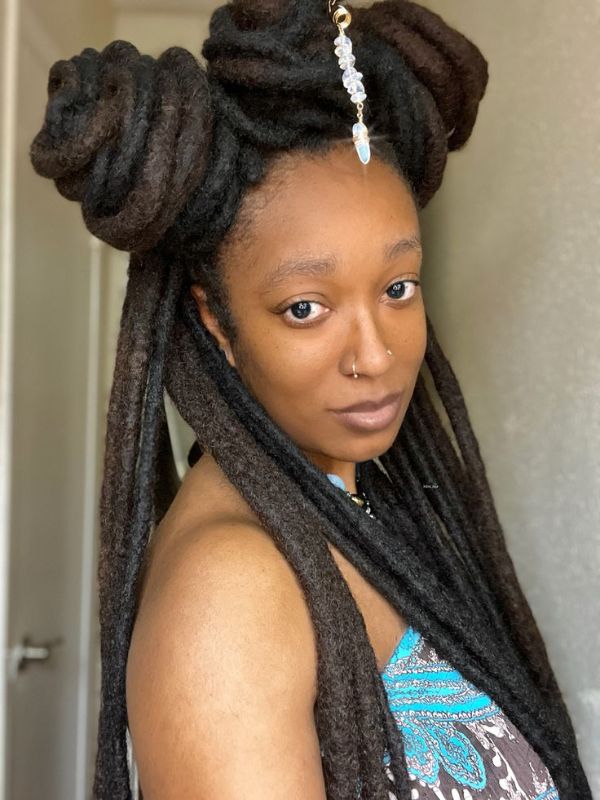
Congo locs are locs that have grown together or merged into larger sections. This can happen naturally when neighbouring locs are allowed to join, although some people deliberately encourage merging to achieve a particular appearance.
The result can be fuller and less uniform than a set of locs that are carefully separated and maintained.
However, Congo locs are not the same as simply choosing chunky locs from the beginning. With Congo locs, existing sections have joined together, and the final shape depends on how they merge.
If you want to maintain separate locs, regular separation may help prevent unwanted merging. On the other hand, if you prefer a more organic appearance, you may choose to let certain sections join.
The important thing is to understand what you want before making changes. Once locs have merged substantially, separating them may be difficult and can damage the hair if done improperly.
Who should consider Congo locs?
This look may appeal to you if you prefer larger, naturally merged sections and are comfortable with a less uniform result.
18. Long Locs
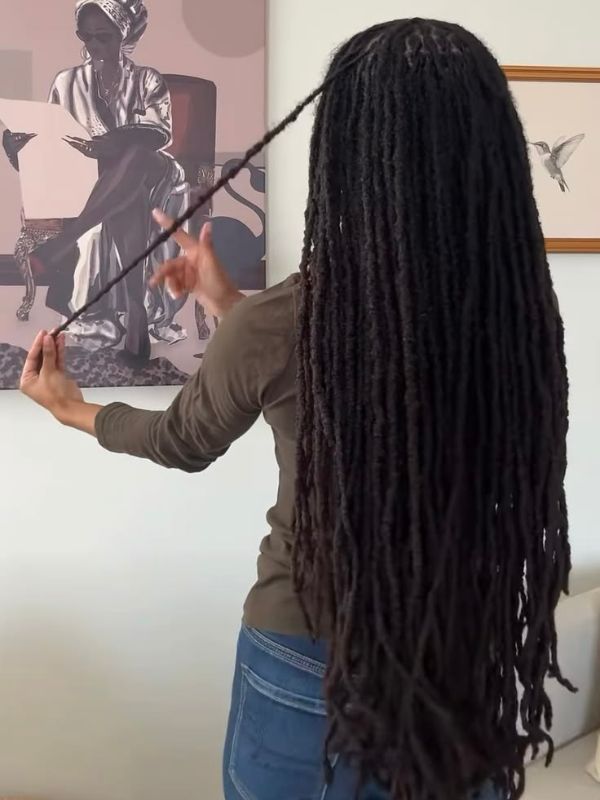
Long locs are often the look people picture when they imagine having a fully established loc journey. They can fall past the shoulders, reach the waist, or grow even longer.
One of the appealing things about long locs is the variety of styles they allow. Depending on their thickness and length, you can wear them down, create high buns, braid sections together, or experiment with elaborate updos.
However, length comes with practical considerations. Longer locs take more time to wash and dry thoroughly. They can also become heavy, particularly when the sections are thick or the hair is very dense.
If you are starting your journey now, remember that long locs take time to grow. Your hair may go through several stages before reaching your desired length, and the rate of growth varies from person to person.
It is also important to protect the roots. Repeatedly wearing heavy styles that pull on the hairline can contribute to thinning, so avoid excessive tension.
Who should consider long locs?
Long locs may appeal to you if you enjoy length and want the freedom to create different hairstyles. Just remember that length is a stage your locs grow into, not a separate locking method.
19. Short Locs
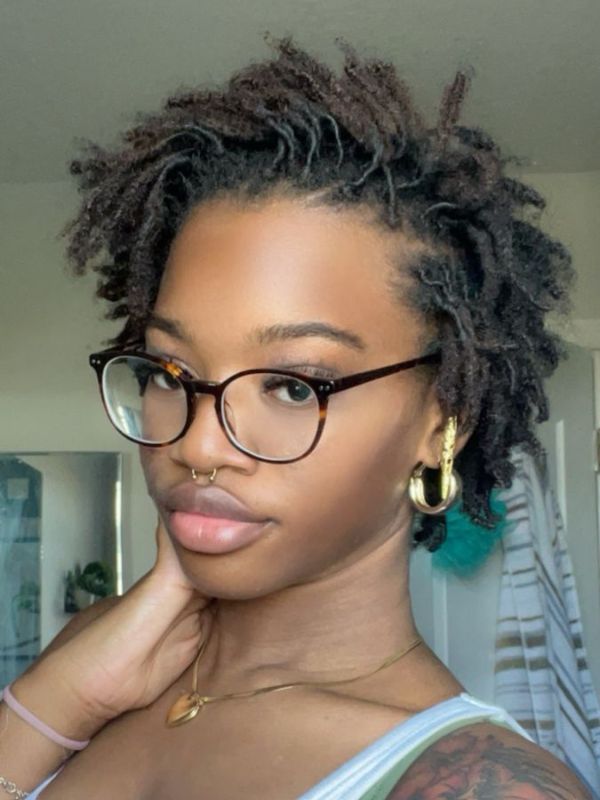
Short locs can be just as beautiful as long ones. They may fall around the ears, jaw, or shoulders, depending on the cut and how your hair grows.
Some people choose to keep their locs short because they prefer a cropped look. Others are simply beginning their journey and have not yet reached their desired length.
Short locs can offer a lighter feel and may be easier to manage during everyday activities. You can also experiment with accessories, side parts, shaped cuts, and simple styles that suit your length.
However, the options available depend on the length and maturity of your locs. Very short starter locs may not hold certain updos, while mature short locs may be easier to shape and style.
If you are beginning with short natural hair, ask your loctician which starting methods can work with your current length. Some techniques require more length than others, and the right choice depends on your hair.
Who should consider short locs?
Short locs may suit you if you prefer a cropped look, want to keep your hair relatively light, or are happy to enjoy each stage of your loc journey as it grows.
20. Faux Locs and Soft Locs
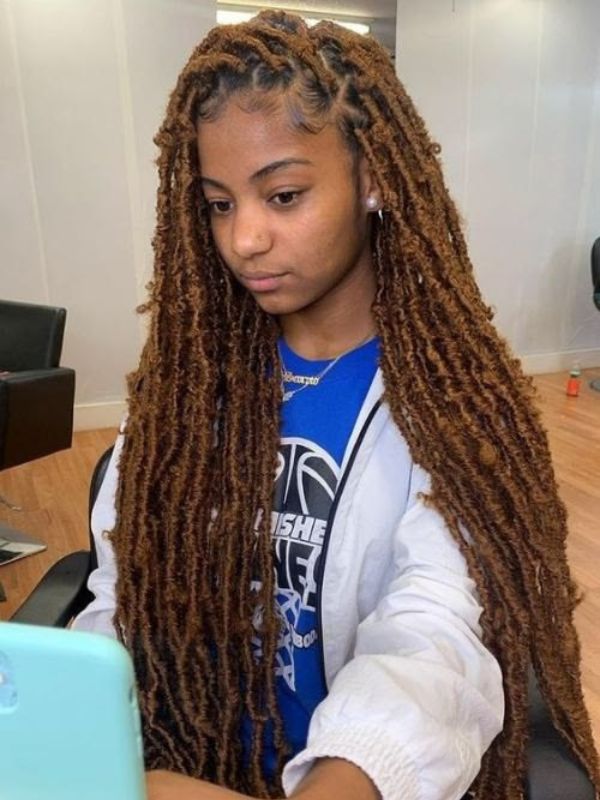
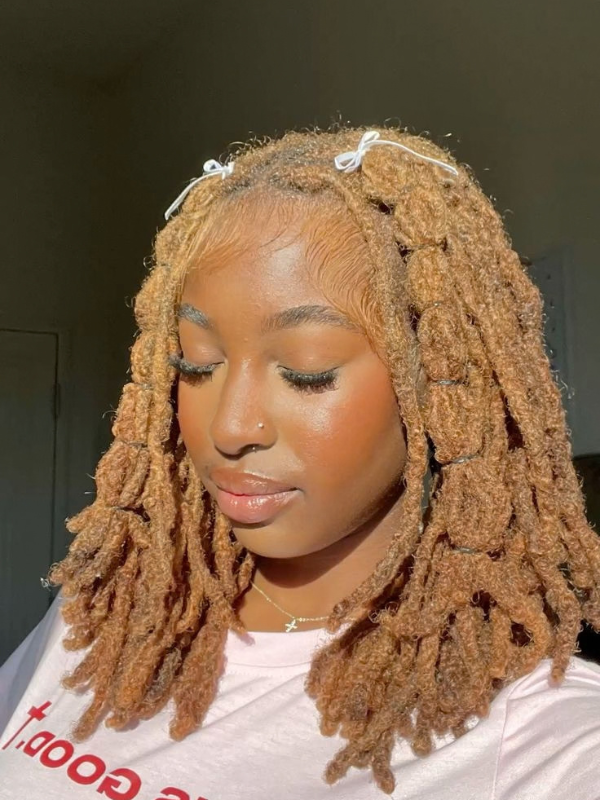
Faux locs and soft locs are different from permanent natural locs. They are protective hairstyles created using extensions to give the appearance of locs without requiring your natural hair to lock over time.
Faux locs can be a useful way to experiment with the look before committing to a permanent loc journey. You can explore different lengths, thicknesses, colours, and styles without waiting for your natural hair to mature.
Soft locs are known for their softer, more flexible appearance. Depending on the installation method and extension hair used, they can offer a relaxed look with movement.
However, temporary does not mean risk-free. Extensions that are too heavy or installed too tightly can put stress on your natural hair and scalp. You should also follow appropriate washing and drying practices while wearing them.
Another important distinction is that faux locs do not automatically turn your natural hair into permanent locs. If your goal is to grow your own locs, you will need to choose an appropriate natural-loc starting method instead.
Who should consider faux locs or soft locs?
These styles may suit you if you want to try the appearance of locs temporarily, experiment with different looks, or enjoy a protective hairstyle without beginning a permanent loc journey.
How to Choose the Best Type of Locs for You
With so many types of locs available, the best way to narrow your options is to compare the appearance, installation process, maintenance needs, and long-term commitment of each one.
Now that you have seen the different options, you may already have a favourite. However, before making your final decision, think about how each option fits your actual life.
It is easy to fall in love with a picture. The harder part is choosing a style that you will still feel happy with when you consider the time, cost, and care involved.
1. Start With the Look You Want
First, decide what you want your locs to look like.
Do you prefer tiny locs that offer a fine appearance? Would you rather have medium sections that balance fullness and styling flexibility? Or do you love thick locs that make a bold statement?
Your answer can help narrow down the options.
For example, if you prefer a fine appearance, compare microlocs and Sisterlocks. If you love thick, prominent sections, explore chunky locs and wicks. If you prefer an organic result, look into freeform or semi-freeform locs.
Save a few reference pictures that show the size and shape you want. It is also helpful to find pictures of locs at different stages of growth, rather than looking only at fully mature examples.
2. Consider Your Natural Hair
Your hair’s texture, density, strand thickness, length, and condition all matter.
Two people can choose the same type of locs and get different results because their hair behaves differently. A method that holds well on one person’s hair may require adjustments on another person’s hair.
This is why a consultation is useful. An experienced loctician can examine your hair and recommend a suitable starting method and section size.
Do not feel that you must choose a certain type because someone with a similar curl pattern looks good wearing it. Your hair’s density, scalp health, and personal preferences are also important.
3. Be Honest About Your Maintenance Routine
Think about how much time you can realistically dedicate to your locs. For more practical advice, check out this guide to the ultimate locs maintenance routine for beginners, which explains how to care for your scalp, moisturize your locs, and maintain healthy hair.
Some methods involve regular root maintenance, while others allow a more organic appearance with less deliberate manipulation. Small locs can require detailed maintenance because there are many individual sections to care for.
You should also consider your washing routine. Your locs need to be cleansed and dried properly, regardless of the type you choose.
If you travel often, exercise regularly, or have a busy schedule, explain this to your loctician. They can help you compare methods and choose a routine that is practical for you.
4. Think About Your Budget
The cost of starting locs is only one part of the decision.
You should also consider maintenance appointments, products, accessories, and any specialized services your chosen method requires.
For example, a specialized microloc system may require a trained consultant, while other loc methods may offer more flexibility in who can install or maintain them.
Ask for a clear estimate before booking. Find out what the initial installation includes, how often maintenance may be needed, and whether the cost changes as your locs grow.
Choosing a style you can comfortably maintain is better than choosing one based on appearance alone and struggling with the ongoing expense.
5. Consider the Weight and Size
This is especially important if you want large locs or extensions.
Thick locs can become heavy as they grow. Extensions can also add weight before your natural hair has had time to develop a strong foundation.
Excessive weight and repeated tension can contribute to thinning, particularly around the hairline. Therefore, your preferred size should be balanced with your hair’s condition and ability to support it.
If you are unsure, ask your loctician to explain the benefits and trade-offs of different section sizes before installation.
6. Decide Whether You Want Permanent or Temporary Locs
This is one of the most important questions to answer.
If you want your natural hair to form permanent locs, explore traditional locs, microlocs, freeform locs, or another suitable natural-loc approach.
If you want to experiment with the appearance without beginning a permanent journey, faux locs and soft locs may be worth considering.
Neither option is wrong. What matters is understanding the difference before spending money on installation.
7. Consider Your Long-Term Goals
Finally, think about what you want your locs to look like in a few years.
Do you want them to remain small? Would you like to grow them long? Do you prefer a uniform appearance, or would you enjoy allowing them to change naturally?
You do not need to predict every detail of your future loc journey. However, thinking about your long-term goals can help you make a better decision at the beginning.
If you are uncertain, speak with a loctician who can explain how different methods and sizes may develop over time.
Common Mistakes to Avoid When Choosing Types of Locs
Learning about different types of locs before installation can help you make a more informed decision and understand what your chosen style will require.
Choosing locs can be exciting, but a little preparation can save you frustration later. Here are some mistakes worth avoiding.
Choosing Based Only on Pictures
A picture can show you what a set of locs looks like, but it cannot tell you everything about the installation, maintenance, or condition of the hair.
Before choosing a style, learn how it is formed and what it takes to maintain it. Look for examples of the same loc type at different stages of maturity.
Assuming Every Loc Type Works the Same Way
Microlocs, Sisterlocks, freeform locs, and instant locs are not interchangeable terms. They describe different characteristics, systems, or approaches.
Understanding these differences helps you communicate clearly with your loctician and choose a method that matches your goals.
Ignoring Maintenance Costs
A style may look affordable to install but require more frequent or specialized maintenance.
Ask about the full cost of caring for your locs, not just the first appointment. This can help you choose a type that fits your budget in the long term.
Expecting Mature Locs Immediately
Natural locs change as they mature. Starter locs may look different from the inspiration pictures you saved, and that is normal.
Give your hair time to develop. Follow a suitable care routine and avoid trying to force your locs into a particular appearance through excessive manipulation.
Choosing a Size Without Considering Root Health
Very small or very heavy locs can create problems when they are not suited to the hair or are maintained with excessive tension.
Your locs should not cause persistent pain or pulling. If you notice thinning, breakage, or ongoing scalp discomfort, seek advice from a qualified professional.
Frequently Asked Questions About Types of Locs
What are the most popular types of locs?
Some popular types of locs include traditional locs, microlocs, Sisterlocks, freeform locs, and semi-freeform locs. Other options include wick locs, instant locs, and locs started with two-strand twists or comb coils. Each option offers a different appearance, installation process, or maintenance routine.
Which types of locs are easiest to maintain?
There is no single answer for everyone. Freeform locs usually involve less deliberate root manipulation than regularly retwisted locs. However, they still require washing, drying, scalp care, and attention to unwanted merging. The amount of maintenance you need depends on your hair and the appearance you want.
What is the difference between traditional locs and microlocs?
Traditional locs are generally larger, while microlocs are much smaller and usually more numerous. Both can offer different styling options, but installation time, maintenance needs, and the final appearance can differ.
Are Sisterlocks the same as microlocs?
No. Sisterlocks are a specific, trademarked system that uses a specialized installation and maintenance process. Microlocs is a broader term for small locs that can be started and maintained using different methods.
Which type of locs is best for beginners?
There is no single best type for every beginner. Traditional locs, microlocs, and freeform locs may all be suitable, depending on your desired size, hair condition, budget, and maintenance preferences. A loctician can help you choose a suitable starting method.
Can I start locs with short hair?
Yes, some loc methods can work with short hair. However, the minimum length depends on the method, your hair texture, and how well the sections can hold. Ask a loctician to assess your hair before choosing a starting technique.
Do all types of locs work on every hair texture?
Not necessarily. Different hair textures and strand characteristics can affect how well a starting method holds and how the locs mature. Many methods can be adapted to different hair types, but the right choice depends on your individual hair and scalp.
Are faux locs the same as permanent locs?
No. Faux locs are created with extensions to give the appearance of locs. They can be removed, while permanent natural locs develop as your own hair locks over time.
How long does it take for locs to mature?
The timeline varies with hair texture, the starting method, maintenance, and individual growth patterns. Some locs begin to show signs of locking within the first few months, but full maturation can take considerably longer. Your loctician can explain what to expect from your chosen method.
Can I change my loc size later?
Sometimes, but changing loc size after your hair has matured can be complicated. Combining locs creates larger sections, while separating established locs can cause damage if done incorrectly. It is worth discussing your long-term preferences before installation.
Conclusion
Choosing between the different types of locs can feel overwhelming, especially when you see so many beautiful options. However, you do not have to make your decision based on pictures alone.
Take time to understand the differences between loc sizes, starting methods, maintenance techniques, and temporary extension styles. Think about your natural hair, your budget, and how much time you can dedicate to caring for your locs.
Most importantly, remember that your loc journey does not have to look exactly like someone else’s. The right choice is one that suits your hair, your preferences, and the kind of experience you want.
If you are still unsure, book a consultation with an experienced loctician and discuss your options before committing. That conversation can help you begin your journey with a clearer idea of what to expect.
After all, choosing locs is not just about finding a beautiful hairstyle. It is about finding an approach you can feel comfortable wearing and caring for as your hair grows.