
How to Remove Buildup From Locs Without Leaving Residue
This post will teach you How to Remove Buildup From Locs Without Leaving Residue.
Keeping your locs clean involves more than washing them with shampoo and rinsing them under the shower. Sometimes, you can finish wash day, allow your hair to dry, and still notice that something doesn’t feel right. Your locs might feel heavier than before, have a slightly waxy coating, or show small white particles when you squeeze them. You may even notice that the roots look clean while the length of your locs still appears dull.
Buildup can develop gradually as you use different hair products to maintain and style your locs. Oils, gels, creams and even shampoo that hasn’t been rinsed out properly can leave residue behind. You might not notice it at first, but after a while, your locs may start feeling heavy, looking dull or developing a waxy coating. Washing your hair doesn’t always get rid of everything, especially when you use products that are difficult to wash out or rush through rinsing.
The frustrating part is that washing your hair again doesn’t always solve the problem. Using too much shampoo, applying heavy cleansing treatments repeatedly or scrubbing your locs aggressively can leave them feeling dry without completely removing the residue.
The better approach is to identify what is causing the buildup and use a cleansing method that addresses it. You also need to pay attention to how you apply shampoo, how long you rinse and how you dry your locs afterward. These steps make a difference when you want clean locs that don’t have leftover shampoo or product coating them.
If you’re trying to figure out how to remove buildup from locs, this guide explains how to recognise different types of residue, choose suitable cleansing products, wash your locs properly and prevent the problem from returning.
What Causes Buildup in Locs?
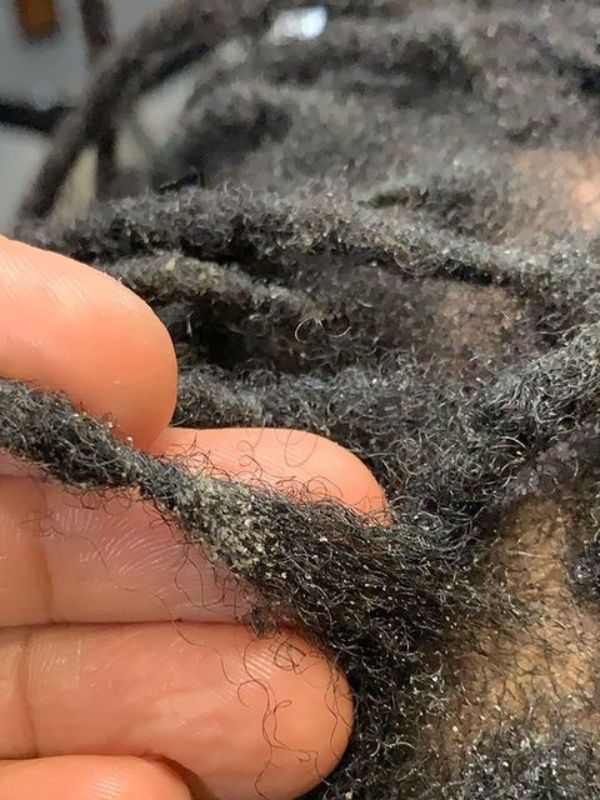
Buildup doesn’t always come from one product or a single wash day. It can develop gradually as different substances collect on your hair and scalp. You might use a little styling gel during retwisting, apply oil to your scalp throughout the week and use a creamy product to soften your locs. Each product might seem harmless on its own, but repeatedly applying products without removing the previous residue can leave your locs coated.
Understanding the common causes helps you choose the right way to clean your hair.
Heavy Hair Products That Accumulate Inside Locs
Some hair products are more likely to leave residue than others, particularly when they contain thick oils, waxes, butters or styling ingredients that are difficult to rinse away.
Beeswax, for example, is sometimes used in traditional loc maintenance, but it can be difficult to remove once it becomes trapped inside the hair. Thick styling gels, edge control, shea butter and heavy leave-in creams can also contribute to buildup when used frequently.
The problem often starts with how much product you apply. You might use a generous amount of gel to keep your roots neat during retwisting, then apply more at your next maintenance appointment before completely washing out the previous product. Over time, those layers can accumulate around the roots and along the locs.
Heavy oils can contribute to the same problem. Applying oil to your scalp occasionally is different from coating your locs with several layers of oil throughout the week. Oil can attract and hold onto dust and other particles, particularly when combined with styling products.
You don’t have to stop using every styling product, but it helps to pay attention to how your locs respond. If they frequently feel sticky, coated or unusually heavy, consider reducing the amount of product you use and choosing formulas that wash out more easily.
Shampoo and Conditioner Residue
Sometimes, the product causing buildup is the same product you’re using to clean your hair.
Shampoo is designed to lift dirt, excess oil, sweat and hair-care products so they can be rinsed away. However, if you use too much shampoo or don’t rinse thoroughly, some of the cleansing product can remain trapped in your locs.
Conditioner can also be difficult to remove from compact locs, particularly thick, creamy formulas designed to coat loose hair strands. These products can leave a slippery or coated feeling if they are not rinsed away properly.
This is one reason to think carefully about the products you use on locs. A conditioner that works well on loose natural hair may not be the most convenient choice for hair that has been locked together.
If you feel that your locs remain coated after wash day, don’t immediately assume that you need a stronger detox treatment. Consider how much shampoo you used, how you distributed it and how long you spent rinsing.
Hard Water and Mineral Deposits
The water you use to wash your hair can also affect how clean your locs feel.
Hard water contains minerals, particularly calcium and magnesium. These minerals can interact with certain cleansing ingredients and leave deposits on hair surfaces. Over time, this may contribute to dullness, stiffness or a coated feeling.
You might notice that your locs look slightly gray or have a whitish appearance even after washing. They may also feel rough, and your usual shampoo might not seem to clean them as effectively.
If you live in an area with hard water, repeatedly washing with an ordinary shampoo might not completely address the problem. You may need a chelating shampoo formulated to help remove mineral deposits.
It is also worth remembering that white residue isn’t automatically caused by hard water. Product deposits, lint and scalp flakes can look similar, so consider the appearance and texture of the residue before choosing a treatment.
Sweat, Dead Skin Cells and Everyday Dirt
Your scalp naturally produces sebum, and your skin continuously sheds dead cells. Sweat, dust and environmental particles can also collect on your scalp and hair.
When you exercise, spend time outdoors or go several days between washes, these substances can accumulate. Some may become trapped around the roots or between the strands that form your locs.
This doesn’t mean your locs are dirty simply because you have been sweating. It means your washing routine needs to account for your lifestyle and scalp needs.
If you exercise frequently or have a scalp that becomes oily quickly, you may need to wash your locs more often than someone who uses very few products and has a less oily scalp.
A consistent cleansing routine helps prevent everyday dirt and excess products from accumulating to the point where a more intensive treatment becomes necessary.
How to Tell If Your Locs Have Buildup
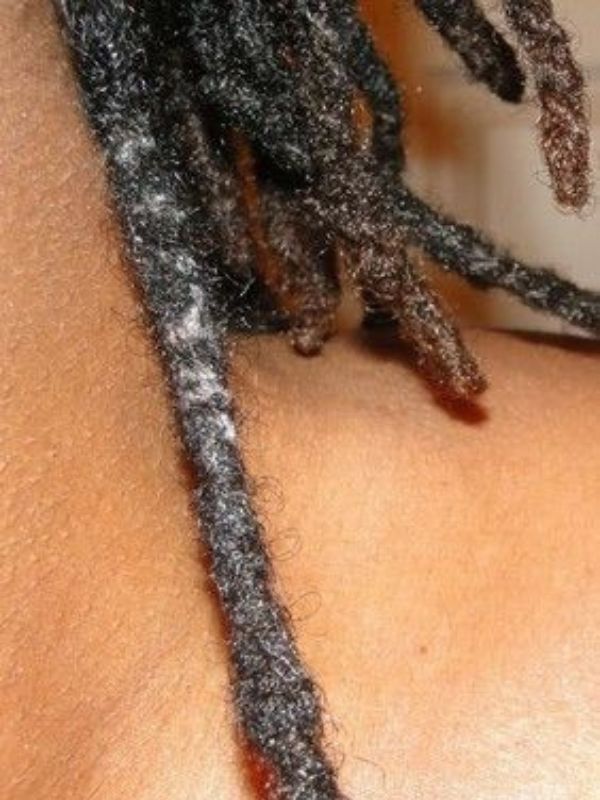
Before choosing a shampoo or detox treatment, take some time to examine your locs. Not every white particle, rough patch or change in texture is caused by product buildup.
Knowing what you’re looking at can prevent you from using unnecessary cleansing treatments or trying to remove something that needs a different approach.
White or Grayish Residue on Your Locs
One of the more noticeable signs of buildup is a white or grayish coating on the surface of your locs.
This can happen when styling products dry on the hair, shampoo is not rinsed out properly or mineral deposits accumulate over time. You may notice it around the roots, along the length or in areas where you regularly apply styling products.
Pay attention to the texture. Product residue may feel waxy, sticky, powdery or slightly creamy, depending on the product involved. Mineral deposits can make the hair feel rough or stiff.
Lint can also appear white, gray or another colour, but it often looks like small fibres embedded in the loc rather than a coating that spreads over the hair.
If you cannot tell what is causing the residue, avoid immediately applying several different treatments. Start with a thorough wash using an appropriate shampoo and see how your locs respond.
Your Locs Feel Heavy, Sticky or Waxy
Another sign is a change in how your locs feel.
Clean locs should not feel as though they have a thick layer of styling product covering them. If you run your fingers along the length and notice a sticky or waxy coating, product accumulation may be responsible.
You might also find that your locs feel heavier than usual, particularly after repeatedly applying creams, oils or gels.
This is different from the normal weight of mature locs. As your locs grow longer and become thicker, their natural weight changes. Buildup is more likely when the hair develops an unusual coated texture or feels different from its normal condition.
Think about the products you have used recently. If you have been applying several styling products without washing them out completely, that is a useful place to start investigating.
Your Locs Look Dull Instead of Clean
Product deposits and mineral accumulation can make locs look less fresh.
Instead of having their usual appearance, they may look dusty, coated or slightly discoloured. You might notice that the roots look clean after washing, but the middle sections and ends still appear dull.
This can happen when shampoo is concentrated around the scalp and doesn’t adequately cleanse the rest of the locs.
It can also happen when hard water minerals or styling products remain on the hair.
However, remember that not every dull loc needs a detox. Hair texture, lighting, natural oils and the condition of your locs all affect how they look. Look for other signs, such as a waxy feel or visible residue, before deciding that buildup is the problem.
White Particles Come Out When You Squeeze Your Locs
Have you ever gently squeezed a loc after washing and noticed small white or cream-coloured particles coming out?
This can be a sign that product residue or other debris is trapped between the hair strands. It may be more noticeable in thicker locs because water and cleansing products need to reach deeper into the structure.
However, squeezing your locs is not a reliable way to identify every type of buildup. The particles could also be lint, scalp flakes or other debris.
Avoid repeatedly squeezing, pulling apart or picking at the loc to force the material out. This can cause unnecessary frizz and damage, especially if the hair is already weakened.
A better approach is to use a suitable cleansing product, allow water to reach the affected area and rinse gently but thoroughly.
Your Locs Have a Persistent Unpleasant Smell
Locs can sometimes develop an unpleasant smell when moisture, sweat, product residue or debris remains trapped inside them.
This is particularly concerning if your locs are not drying completely after washing. Thick locs can retain water inside their structure, so the outside may feel dry while the inner sections remain damp.
If you notice a persistent musty smell, consider your washing and drying routine rather than assuming that you simply need a stronger shampoo.
Wash your locs appropriately, remove excess water and give them enough time to dry. If the smell continues, especially alongside scalp irritation, tenderness or unusual discharge, seek advice from a dermatologist or qualified healthcare professional.
What You Need to Remove Buildup From Locs Without Leaving Residue
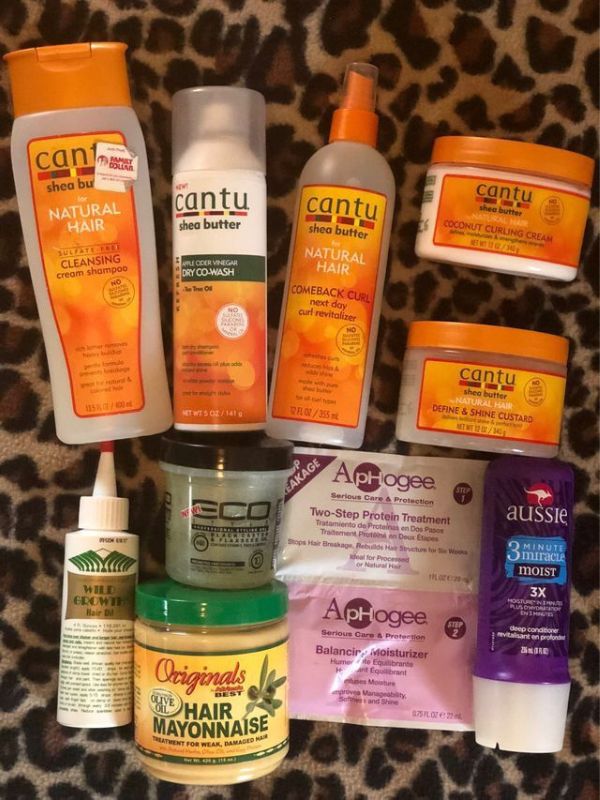
You don’t need a cupboard full of cleansing products to remove buildup. A few suitable items can help you clean your locs properly without adding unnecessary residue.
The most important thing is choosing products according to the type of buildup you are dealing with.
A Residue-Free Shampoo
Start with a shampoo that cleans your scalp and hair without leaving a heavy coating.
Look for a product that is suitable for locs or one that is easy to rinse out. You don’t necessarily need a shampoo with a particular appearance or a long list of ingredients. What matters is how well it cleans and how your scalp responds.
Some shampoos contain conditioning ingredients that leave hair feeling soft and coated. That isn’t automatically bad, but a heavily conditioning formula may not be the best choice when you’re trying to remove accumulated product from locs.
If your locs regularly feel coated after washing, try a lighter cleansing formula and pay attention to the results.
A Clarifying or Chelating Shampoo
These two types of shampoo serve related but different purposes.
A clarifying shampoo is designed to help remove accumulated oils, styling products and other residue from the hair.
A chelating shampoo contains ingredients that bind certain minerals, helping to remove deposits associated with hard water.
For example, if your locs feel waxy after repeated use of styling gel, a suitable clarifying shampoo may be helpful. If they feel rough and dull and you suspect hard water deposits, a chelating shampoo may be more appropriate.
You don’t need to use both automatically. Choose the one that addresses the problem, follow the product instructions and avoid repeated intensive cleansing when it isn’t necessary.
An Applicator Bottle
An applicator bottle can make wash day easier, especially if you have thick locs or find it difficult to distribute shampoo evenly.
It allows you to direct diluted shampoo towards the scalp and between sections of hair without pouring too much product onto one area.
If you dilute your shampoo, follow the manufacturer’s directions. Not every formula is intended to be diluted or stored after mixing.
A Clean Microfiber Towel
A clean microfiber towel helps remove excess water after washing.
You can also use a clean, absorbent cotton T-shirt. The important thing is to press and squeeze gently rather than rubbing your locs aggressively.
Avoid using a towel that has accumulated lint, since loose fibres can become caught in your hair.
Clean Water for Rinsing
This is one of the most important things you need.
Even a suitable shampoo can leave your locs feeling coated if you don’t rinse it out properly. Make sure you have access to enough running water to rinse the roots, middle sections and ends.
If your water is particularly hard, consider whether a chelating shampoo or a suitable water-treatment solution might be necessary.
How to Remove Buildup From Locs Step by Step
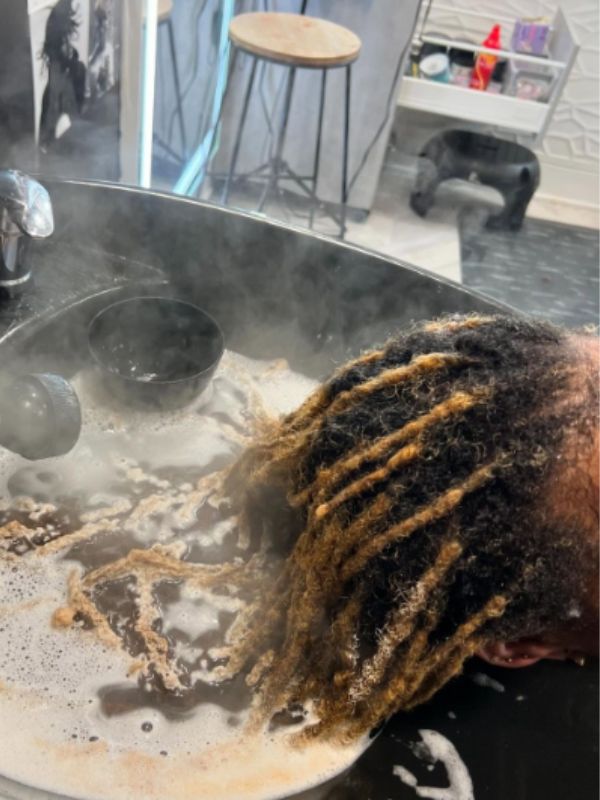
Once you have identified the likely cause of the buildup and selected an appropriate shampoo, you can begin cleansing your locs.
The process is not simply about applying shampoo and washing it away. You need to make sure the product reaches the affected areas and that the loosened residue is completely rinsed out.
Take your time, particularly if your locs are thick or mature.
Step 1: Examine Your Locs and Identify the Type of Buildup
Before wetting your hair, look closely at your locs.
Start at the roots, where styling products and scalp oils can accumulate. Check the areas around your hairline and the sections where you usually apply gel during retwisting.
Next, examine the middle and ends. These areas can collect dust, lint and product residue, especially if you regularly apply oils or styling products along the length.
Try to identify what you are seeing.
If the residue feels waxy or sticky, think about the products you have been using. If your locs look dull and feel stiff, consider whether hard water could be contributing. If you see small fibres, the problem may be lint rather than product buildup.
This assessment matters because using the wrong treatment can waste your time and make your locs feel worse.
For example, using a strong clarifying shampoo repeatedly will not remove fibres that are physically trapped inside your locs. Similarly, a regular shampoo may not be enough to remove mineral deposits.
If the buildup is deeply embedded or you cannot identify its source, a professional loc stylist can help assess your hair before you attempt a more intensive treatment.
Step 2: Prepare Your Locs for Washing
Before getting your locs wet, remove any accessories that might get in the way.
Take out beads, cuffs and other removable decorations. If you wear your locs in a style that keeps several sections tightly together, loosen it enough to allow water and shampoo to reach your scalp.
Check the roots for locs that have grown together. If there is loose hair connecting neighbouring locs, separate it gently with your fingers if it can be done without pulling or stressing the roots.
Avoid using this opportunity to pull apart mature locs or force compacted sections open.
You should also prepare your shampoo, applicator bottle and towel before starting. If you are using a product that needs to be diluted, follow its instructions and prepare only the amount you need.
One thing to avoid is applying additional oil or styling cream before washing. These products can make it harder for your shampoo to remove the residue already present.
Step 3: Wet Your Locs Thoroughly
Stand under lukewarm running water and allow your locs to become completely wet.
This step might seem simple, but it is easy to rush through it. The outside of your locs may become wet quickly while the inner sections take longer to absorb water.
Use your hands to separate sections and gently press the water through your locs. If you have thick locs, work in smaller sections so you don’t leave dry areas.
If you’re still in the early stages of your loc journey, learning how to care for starter locs can help you adjust your washing routine without unnecessary manipulation.
Pay attention to the roots, the middle sections and the ends. Don’t concentrate all your attention on your scalp while allowing the rest of your locs to remain only slightly damp.
Avoid using very hot water. Warm or lukewarm water is generally more comfortable for your scalp and helps prepare the hair for cleansing without exposing it to unnecessary heat.
A thorough pre-rinse also helps remove loose dirt and some of the products sitting on the surface before you apply shampoo.
Step 4: Apply a Clarifying Shampoo
Once your locs are thoroughly wet, apply your chosen shampoo.
If you’re using a concentrated product and the instructions permit dilution, mix it with water in an applicator bottle. This can help distribute it more evenly and prevent you from applying too much to one section.
Start with your scalp. Apply the shampoo along your parts and gently massage using the pads of your fingers.
Avoid scratching with your fingernails. Scratching can irritate the scalp, particularly if it is already sensitive.
Next, work the lather through the length of your locs. You don’t need to scrub them against each other or twist them aggressively. Instead, gently squeeze the soapy water through each section to help it reach the inner areas.
Give extra attention to areas where you noticed product residue before washing.
If your roots have accumulated styling gel, make sure the shampoo reaches those areas. If the middle sections feel waxy, gently work the cleansing product through them instead of concentrating only on the scalp.
Follow the shampoo’s instructions for how long to leave it on. Clarifying products are not automatically better when left on longer than recommended.
Step 5: Rinse Your Locs Thoroughly
This is the step you should never rush if your goal is to remove buildup without leaving residue.
After shampooing, allow clean water to run through your locs. Move your head gently so the water reaches different sections.
Start at the scalp and work towards the ends. Use your fingers to separate sections and allow water to pass through the locs rather than simply running over their outer surfaces.
As you rinse, gently squeeze each loc from the root towards the tip. This helps release the soapy water and loosened product trapped inside.
Pay attention to thicker locs because they may require more time to rinse than smaller ones.
Continue rinsing until you no longer see foam and the water coming out of the locs is free of visible shampoo. If you squeeze a section and notice more suds, keep rinsing.
Don’t rely on a fixed number of minutes for every head of locs. The time needed depends on their thickness, length, density and how much product you used.
A useful way to check is to gently squeeze several locs from different sections. If you still see foam or feel a slippery layer that seems to be shampoo, rinse again.
Also remember that water running clear does not prove that every type of residue has been removed. Some products and mineral deposits may require a different cleansing method.
Step 6: Check for Remaining Buildup
After rinsing, take a moment to assess your locs.
Gently run your fingers along the sections that previously felt waxy or sticky. Check whether the coating has improved and whether the locs feel cleaner.
If you still notice a product-like coating, consider if the shampoo was suitable and if you allowed it to reach the affected areas.
For hair with substantial product accumulation, a second wash may sometimes be appropriate. Use a modest amount of shampoo and follow its directions rather than repeatedly applying large quantities.
However, don’t keep washing simply because your locs don’t feel extremely soft or slippery. Clean locs do not need to feel coated with conditioner.
If the residue remains after an appropriate cleansing attempt, it may be lint, mineral deposits or stubborn wax rather than ordinary shampoo residue. At that point, choosing a more suitable treatment is better than repeatedly washing with the same product.
Step 7: Remove Excess Water and Dry Your Locs Completely
Once your locs are clean, gently squeeze out excess water.
Start near the roots and work down towards the ends. Don’t twist your locs tightly or wring them like a towel.
Wrap your hair in a clean microfiber towel or cotton T-shirt and press gently to absorb additional moisture.
Next, allow your locs to dry completely. You can air-dry them in a well-ventilated area or use an appropriate hooded dryer according to its instructions.
If you have thick or long locs, give yourself enough time for the inner sections to dry. The surface can feel dry while the inside still holds moisture.
Avoid tying wet locs into a tight bun or covering them for extended periods while they remain damp.
Once your hair is fully dry, check it again. It should no longer have the same waxy or sticky coating that prompted you to wash it.
If you continue to notice a musty smell or persistent residue, don’t keep adding cleansing products. Consider getting your locs assessed by a qualified stylist or dermatologist if scalp symptoms are present.
How to Remove Stubborn Buildup From Inside Locs
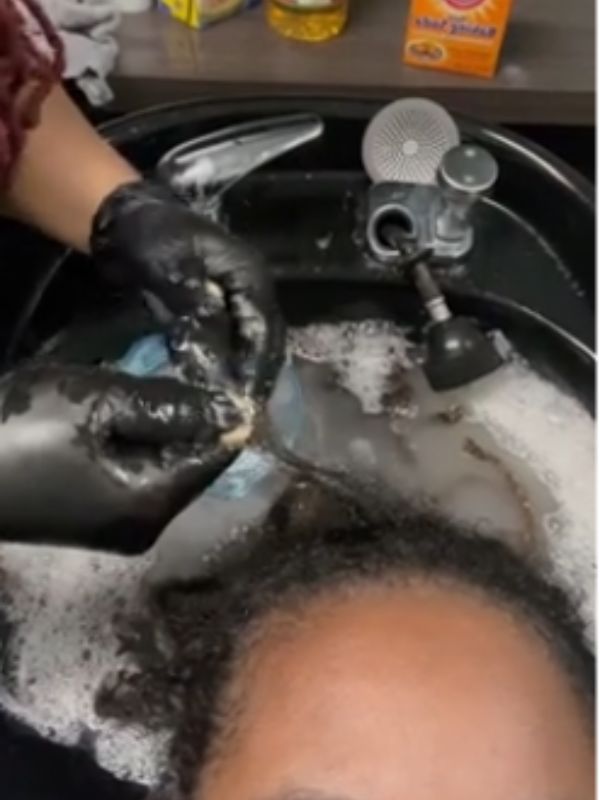
Sometimes, ordinary washing isn’t enough. You might use a suitable shampoo, rinse carefully and still notice residue trapped inside certain locs.
This is particularly common when heavy styling products have been used repeatedly or when deposits have accumulated over a long period.
The important thing is to avoid treating every stubborn deposit with the same method.
When a Deep Cleanse Is Necessary
A deeper cleansing treatment may be useful when your locs have a noticeable coating that doesn’t improve with your usual shampoo.
For example, someone who regularly uses thick gels, waxes and creamy products may find that ordinary washing no longer removes the accumulated residue effectively.
Before reaching for a strong treatment, consider how long the buildup has been present and what products might have caused it.
If the residue is only around the roots, a thorough scalp cleanse may be sufficient. If it extends through the length of several locs, you may need a treatment that can address the affected sections.
Don’t assume that every dull or stiff loc needs a detox. Over-cleansing can dry out your scalp and hair without solving the actual problem.
Using a Loc Detox Treatment
Loc detox products are designed for deeper cleansing and may be useful when ordinary shampooing is insufficient.
Choose a product specifically formulated for hair cleansing and suitable for locs. Read the instructions carefully, particularly if the treatment requires dilution, a specific application time or a particular rinsing process.
Make sure you can rinse the product out completely.
A treatment that loosens residue but remains inside your locs has not achieved the result you want. Take your time rinsing and check the sections that tend to retain the most product.
Also, don’t combine several detox products in one session simply because you want faster results.
If your scalp is sensitive, irritated or damaged, avoid experimenting with intensive treatments until you have received appropriate advice.
Removing Hard Water Deposits
If you suspect hard water is responsible for the coating on your locs, consider using a chelating shampoo.
Unlike ordinary cleansing products, chelating formulas contain ingredients that bind certain metal ions and minerals. Ingredients such as EDTA compounds and sodium gluconate may be used for this purpose.
Follow the instructions on the product and pay attention to how your locs respond.
You can also investigate the hardness of your water. If you consistently notice mineral-related residue, changing your cleansing product alone may not be enough to prevent it from returning.
A suitable water-softening system or treatment designed to reduce mineral content may help, depending on your water supply. Remember that ordinary shower filters do not necessarily remove calcium and magnesium.
When to Visit a Professional Loc Stylist
There are situations where trying to remove buildup at home can do more harm than good.
Consider visiting a professional loc stylist if:
- Thick, compacted residue remains inside several locs.
- You have used wax that is difficult to remove.
- Your locs have become unusually stiff or coated.
- Several cleansing attempts have not improved the problem.
- Your roots are fragile and you are worried about damaging them.
- You cannot identify the substance trapped inside your locs.
A stylist can examine the locs, identify areas that need attention and recommend a suitable cleansing approach.
If you also experience persistent itching, redness, pain, sores or unusual scalp discharge, consult a dermatologist rather than treating it as a simple buildup problem.
Should You Use Apple Cider Vinegar to Remove Buildup From Locs?
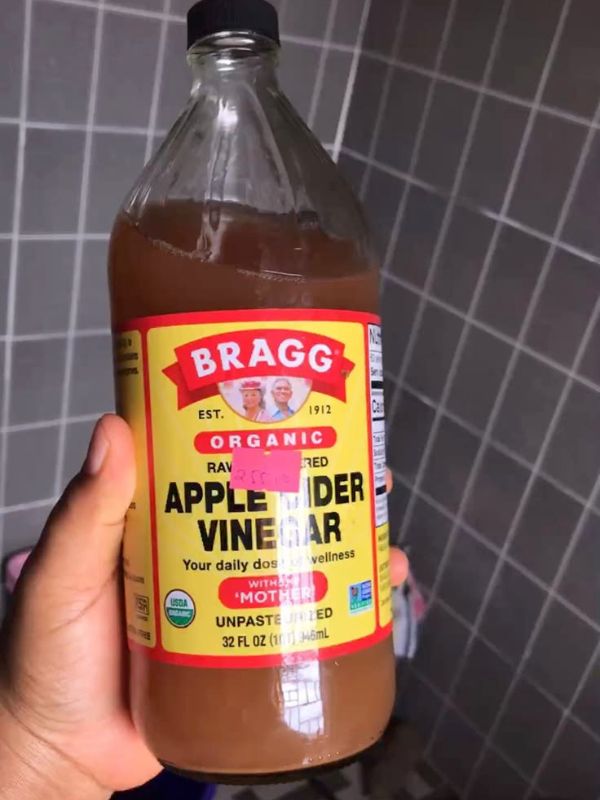
Apple cider vinegar is often mentioned in discussions about loc detoxing. Some people use it as a rinse because it is acidic, and it has become a familiar ingredient in homemade hair-care treatments.
However, it is important to understand what it can and cannot do before adding it to your wash-day routine.
How Apple Cider Vinegar Rinses Work
Apple cider vinegar is acidic, which is why it is sometimes used in hair-care routines after cleansing.
Its acidity may help with certain mineral deposits and residue, depending on the formulation and circumstances. However, that doesn’t mean it can remove every substance trapped inside locs.
It is not a replacement for shampoo, and it should not be treated as a universal detox treatment.
Can Apple Cider Vinegar Remove All Types of Buildup?
No.
If your locs contain heavy wax, accumulated styling gel or lint, an apple cider vinegar rinse may not solve the problem.
Wax, in particular, is difficult to remove because it does not simply dissolve in water. Lint is a physical fibre that needs to be addressed separately.
Hard water deposits may require a product specifically formulated to bind and remove minerals.
This is why identifying the cause of buildup is more useful than relying on one popular home remedy.
How to Use It Carefully
If you decide to use an apple cider vinegar rinse, choose a properly formulated hair-care product or follow a reliable, appropriately diluted preparation method.
Never apply undiluted vinegar directly to your scalp or leave a strong homemade mixture sitting on your locs.
Rinse thoroughly afterward and stop using it if you experience burning, itching or irritation.
You should also avoid experimenting with acidic rinses if your scalp has open sores or is already inflamed.
For regular cleansing, a suitable shampoo remains a more dependable starting point.
When You Should Avoid It
Skip homemade vinegar treatments if you have a sensitive or irritated scalp, cuts, sores or a history of reacting to similar products.
You also don’t need to use vinegar after every wash. Repeatedly applying acidic mixtures without understanding the cause of the residue can create additional irritation without providing much benefit.
Mistakes That Leave Residue in Your Locs After Washing
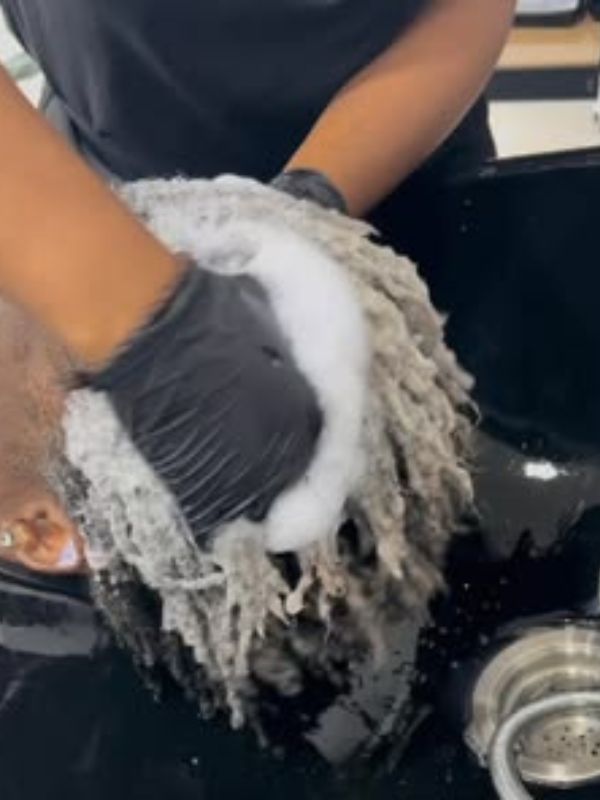
Sometimes the problem isn’t the shampoo itself. It is the way you use it.
You might purchase a suitable product but still find residue after washing because you apply too much, don’t distribute it properly or rush through the rinsing stage.
Here are some habits worth correcting.
Using Too Much Shampoo
Applying more shampoo than necessary doesn’t automatically make your locs cleaner.
In fact, using too much product can make rinsing more difficult, especially when you have thick locs that hold onto water and cleansing foam.
Start with the amount recommended on the bottle. If your locs are long or dense, work in sections so the shampoo reaches the areas that need cleansing.
If a second wash is necessary, use a smaller amount rather than applying another large quantity.
Not Rinsing Long Enough
This is one of the easiest mistakes to make.
You might spend several minutes shampooing your locs but rinse them for only a short time because the outside already feels clean.
The problem is that the inside of the locs may still contain soapy water.
Make rinsing a deliberate part of wash day. Separate sections, squeeze the locs gently and allow running water to pass through the entire length.
If you notice foam when squeezing a loc, continue rinsing.
Using Heavy Conditioners and Creamy Products
Conditioners are designed to leave some conditioning ingredients on the hair. This can be useful for loose hair, but it may not suit every loc-care routine.
Thick conditioners, creamy leave-ins and rich styling products can leave a coating that is difficult to remove from compact locs.
If your hair feels coated after conditioning, consider using a lighter product or reducing how frequently you apply it.
You can also discuss suitable moisture options with your stylist rather than assuming that every loc needs a thick cream.
Applying Oil Before Removing Existing Buildup
Adding oil to locs that already have a waxy coating doesn’t remove the existing residue.
It can make the hair feel even heavier and create another layer for you to remove later.
If your locs are coated, focus on cleansing first. Once they are clean and completely dry, you can decide if they need a small amount of a suitable lightweight product.
Remember that your scalp naturally produces oil. You don’t need to keep applying more simply because your locs are not freshly styled.
Using Baking Soda or Harsh Homemade Mixtures Too Often
Baking soda is sometimes recommended as a cheap alternative to commercial clarifying shampoo.
However, it is alkaline, and its use on hair can increase friction and potentially contribute to dryness and breakage. Research on baking soda as a shampoo alternative also points to potential risks, particularly when it is inadequately diluted.
It is not my first recommendation for removing buildup from locs.
The same caution applies to mixing several household ingredients together without understanding their effects.
A properly formulated cleansing product is a better starting point than experimenting with harsh mixtures.
Scrubbing and Pulling at Locs Aggressively
When you notice buildup, it can be tempting to scrub harder or pull the locs apart to get the residue out.
Avoid doing this.
Locs don’t need to be rubbed against each other aggressively to become clean. You can distribute shampoo, gently squeeze the locs and allow water to remove loosened residue.
Rough handling can create frizz, stress the roots and contribute to breakage, particularly in weak or thinning areas.
Take your time and allow the cleansing product and water to do their work.
How to Prevent Buildup From Returning to Your Locs
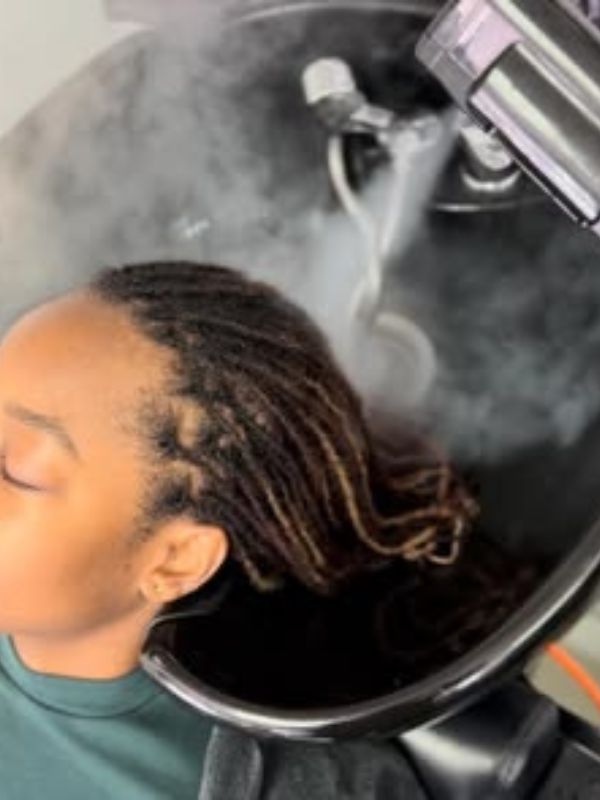
Removing existing buildup is only part of keeping your locs clean. Your everyday product choices and wash-day habits also determine how quickly residue accumulates again.
You don’t need to make your routine complicated. A few consistent changes can help you maintain cleaner locs.
Choose Lightweight Products for Your Locs
Start by looking at the products you use regularly.
If you frequently apply thick creams, heavy butters and wax-based products, consider replacing some of them with lighter alternatives.
If your locs feel dry after cleansing, choosing suitable hair care products for dry and damaged hair can help you find lighter ways to care for your hair without relying on heavy creams.
Look for products that are suitable for locs and don’t leave a heavy coating.
You also don’t need to use several products at once. A simple routine with fewer products is often easier to maintain and makes it easier to identify what is causing buildup if it develops.
Wash Your Locs Consistently
Leaving your locs unwashed for long periods can allow sweat, excess oil and styling residue to accumulate.
Choose a washing schedule based on your scalp needs, activity level, loc maturity and product use.
Following a simple locs maintenance routine can also help you keep track of wash days, scalp care and the products you use regularly.
Someone who exercises regularly or has an oily scalp may need more frequent washing than someone with a less active lifestyle.
Newer locs may need some adjustments to prevent excessive unraveling, but that doesn’t mean they should remain unwashed indefinitely. A stylist can help you establish an appropriate routine for your particular loc stage.
The important thing is to avoid using an arbitrary schedule that ignores what your scalp and hair actually need.
Use Less Product During Retwisting and Styling
A neat retwist doesn’t require your roots to be covered in gel.
Using too much styling product can leave visible residue around the roots, particularly if the gel isn’t completely washed out before your next maintenance session.
Ask your stylist to use an appropriate amount of product during retwisting.
If you maintain your own locs, apply only what is necessary to achieve the style you want.
You can also reduce the frequency of product-heavy styling if your locs repeatedly develop buildup around the roots.
If you prefer simple hairstyles that don’t require constant product application, these low-maintenance hairstyles can give you some easy options to try.
Rinse Thoroughly Every Wash Day
Don’t treat rinsing as the final quick step after shampooing.
It is an essential part of getting your locs clean.
Make sure water reaches the roots and the full length of your hair. Gently squeeze the locs to release shampoo and loosened residue.
Pay particular attention to thick sections and areas where you regularly apply styling products.
If you have difficulty rinsing your locs in your usual shower, consider washing in smaller sections or using an appropriate handheld showerhead.
Keep Your Scalp Clean Between Wash Days
Your scalp doesn’t need to be coated with oil every day to remain comfortable.
Excessive oiling can mix with sweat, dead skin cells and styling residue, contributing to a coated feeling.
If your scalp becomes dry, first consider if your shampoo is too harsh or if you are washing too frequently. A suitable lightweight scalp product may help, but use it sparingly.
If you experience persistent itching, flaking or irritation, don’t assume that adding more oil will solve it. Scalp conditions such as seborrheic dermatitis may need a specific treatment.
Keep Your Locs Dry After Washing
Proper drying is just as important as proper cleansing.
After washing, remove as much excess water as possible and allow your locs to dry fully.
If your locs are thick, check the inner sections rather than judging their dryness by the outer layer.
Avoid covering wet locs for extended periods or immediately styling them into a tight bun while they are still damp.
A clean wash followed by incomplete drying can leave you dealing with an unpleasant smell even when the original buildup has been removed.
How Often Should You Remove Buildup From Locs?
There isn’t one schedule that works for every person with locs.
Your cleansing routine depends on how quickly your scalp produces oil, how frequently you exercise, the products you use and the condition of your locs.
It also helps to distinguish between regular washing and intensive cleansing.
Regular washing: This should form the foundation of your loc-care routine. Wash often enough to keep your scalp clean and remove sweat, dirt and everyday product residue. Adjust the frequency according to your needs.
Clarifying: You may need a clarifying shampoo when styling products and oils accumulate and your usual shampoo no longer removes the coating effectively. You don’t need to clarify every wash if your regular routine is already working.
Chelating: Use a chelating shampoo when mineral deposits from hard water are a concern. Follow the product instructions rather than automatically using it every month.
Deep cleansing: A deeper treatment may be useful for stubborn accumulation, but it should not become a compulsory monthly ritual. Assess your locs first and avoid unnecessary intensive treatments.
If your locs remain coated despite regular washing, look at your products and water supply before increasing the frequency of detox treatments.
A consistent routine that suits your hair is more helpful than repeatedly trying different cleansing methods.
Frequently Asked Questions About Removing Buildup From Locs
How do you remove buildup from locs at home?
Start by identifying the type of residue on your locs. Wet your hair thoroughly, apply a suitable clarifying shampoo if the problem is product accumulation, gently massage your scalp and squeeze the cleansing water through the locs. Rinse thoroughly until there is no remaining foam, then remove excess water and dry your locs completely.
If the buildup is caused by hard water minerals, a chelating shampoo may be more suitable. For stubborn wax or deeply embedded residue, consider professional help.
Why do my locs still have white residue after washing?
White residue can come from several sources, including leftover shampoo, styling products, conditioner, lint, hard water minerals and scalp flakes.
If the particles feel waxy or sticky, product residue may be responsible. If they look like small fibres, lint may be trapped inside the locs. If your scalp is also itchy and flaky, consider the possibility of a scalp condition.
Check your products and washing technique before choosing a treatment.
What is the best shampoo for removing buildup from locs?
The best shampoo depends on the type of buildup.
A clarifying shampoo can help remove accumulated styling products, oils and other residue. A chelating shampoo is more suitable when mineral deposits from hard water are the problem.
For regular washing, choose a shampoo that cleans your scalp and hair effectively without leaving a heavy coating.
Can I use apple cider vinegar to clean my locs?
Apple cider vinegar is sometimes used in diluted hair rinses, but it cannot remove every type of buildup.
It should not replace shampoo, and it may not help with stubborn wax or lint trapped inside locs. If you use it, make sure it is properly diluted and rinse thoroughly. Avoid applying it to an irritated or damaged scalp.
Does baking soda remove buildup from locs?
Baking soda is sometimes used in homemade hair-cleansing treatments, but it is not the best first choice for locs.
Its alkaline nature can increase friction and contribute to dryness or hair damage. A properly formulated clarifying shampoo is a more suitable option for removing product residue.
How do I remove wax from inside my locs?
Wax can be particularly difficult to remove because it does not dissolve readily in water.
Avoid trying to scrape it out aggressively or repeatedly washing with harsh homemade mixtures. If the wax is deeply embedded, a professional loc stylist can assess the locs and recommend an appropriate removal approach.
Can buildup cause locs to smell?
Accumulated product residue, sweat and trapped moisture can contribute to unpleasant smells.
However, a persistent musty smell may indicate that the locs are not drying completely. Make sure you remove excess water and allow the inner sections to dry fully after washing.
If the smell continues or you notice scalp irritation, seek professional advice.
How do I know if my locs are completely clean after washing?
After rinsing, you should no longer see shampoo foam coming out when you gently squeeze your locs.
Your hair should not have a noticeable soapy or waxy coating from the products you have just used. However, remember that clean locs don’t necessarily feel soft or slippery like conditioned loose hair.
Allow them to dry completely before making a final assessment. If the same residue or unpleasant smell remains, investigate its cause rather than automatically repeating an intensive wash.
Keep Your Locs Clean Without Leaving Residue
Clean locs start with understanding what your hair needs and choosing products that can remove dirt and accumulated residue without leaving another coating behind. If your locs feel waxy, heavy or dull, take time to identify the cause before reaching for a detox treatment.
Use a suitable shampoo, allow it to reach the areas that need cleansing and pay particular attention to rinsing. If you’re dealing with hard water minerals or stubborn wax, choose a treatment designed for that specific problem instead of repeatedly washing with ordinary shampoo.
Most importantly, don’t overlook what happens after washing. Removing excess water and allowing your locs to dry completely are essential parts of keeping them fresh.
With a consistent routine, lighter product use and proper rinsing, you can keep your locs clean without making wash day unnecessarily complicated.
Conclusion: Keep Your Locs Clean Without Leaving Residue
Buildup can make your locs feel heavy, look dull and leave you wondering why your hair still doesn’t feel clean after wash day. The good news is that you don’t need to keep washing your locs repeatedly or rely on harsh homemade treatments to get rid of it.
Start by paying attention to the products you use, choose a shampoo that suits your cleansing needs and take your time rinsing your locs properly. If you’re dealing with stubborn wax or hard water deposits, using the right treatment for that particular problem will make a difference.
Also, remember that keeping your locs clean doesn’t end when you rinse out the shampoo. Removing excess water and allowing your locs to dry completely are just as important.
With the right washing routine and a little more attention to the products you use, you can keep your locs clean, fresh and free from unnecessary residue.
This post taught you How to Remove Buildup From Locs Without Leaving Residue.


One Comment