Botanical Tattoos and the Best Ways to Wear Nature-Inspired Ink
Some tattoos catch your attention because of their size or bold lines. Others make you stop and look a little closer. Botanical tattoos often fall into the second category. A simple branch, a few delicate leaves, or a cluster of wildflowers can create a beautiful design without covering a large part of the body.
What makes these tattoos special is the freedom to make them your own. You can choose a tiny plant sprig for your wrist, a detailed fern along your forearm, or a winding branch that follows the shape of your back. Each option creates a different look.
However, finding a design you love is only the beginning. You also need to think about its size, placement, and level of detail. A tattoo that looks beautiful in a Pinterest photo might need a few changes to work well on your skin.
If you are considering botanical tattoos, there are several ways to make your design feel personal and look good with your everyday style. Here is what to consider before choosing your next piece of nature-inspired ink.
How to Find Botanical Tattoos That Feel Personal
It is easy to fall in love with a tattoo after seeing it online. You save the picture, add it to your inspiration board, and move on to the next one. Before long, you have dozens of designs to choose from, but you still cannot decide which one you want.
If this sounds familiar, start with the plants you actually like.
Think about the leaves, flowers, and branches that catch your eye. Perhaps you love the shape of fern leaves. Maybe you prefer wildflowers because they look relaxed and a little untamed. You might even have a favorite plant that reminds you of your childhood home or someone important in your life.
These small details can help you narrow your choices.
Botanical tattoos do not have to carry a deep meaning to be worth getting. Sometimes, you simply like how a particular plant looks. That is a perfectly good reason to choose it. Still, adding a personal connection can make the design feel more meaningful over time.
For example, someone who loves spending time in a garden might choose a leafy branch instead of a traditional flower. Another person might prefer a small collection of wildflowers because they remind them of a favorite place.
You can also work with your tattoo artist to combine different plants or adjust an existing design. The goal is not to create something complicated. It is to find artwork that feels right for you.
Before booking your appointment, save a few reference pictures. Look for similarities in the designs you like. You may notice that you prefer thin lines, open spaces, or long branches rather than tightly packed flowers.
This gives your artist a clearer idea of what you want. It also helps you avoid choosing a tattoo simply because it is popular at the moment.
Choose a Botanical Tattoo Style That Fits Your Taste
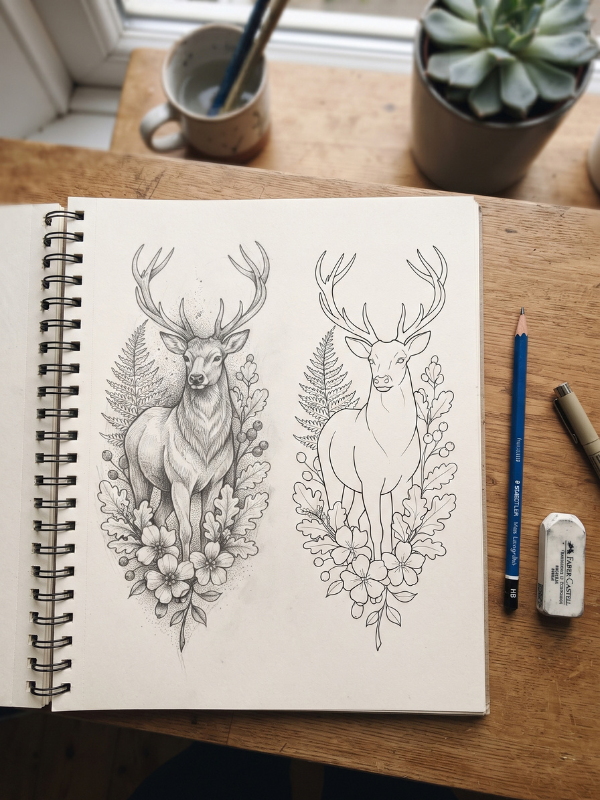
Botanical tattoos come in different styles. Some look like delicate sketches, while others resemble detailed illustrations from a plant book. The right choice depends on the appearance you want and how much detail you would like to include.
Fine-Line Botanical Tattoos for a Delicate Look
Fine-line designs use thin lines to create leaves, stems, and flowers. They often have a light appearance, with plenty of open space between the details.
A small wildflower stem or a delicate branch can work well if you prefer understated tattoos. These designs can also suit people who want something that complements their existing ink without competing for attention.
However, fine-line does not automatically mean better or easier to maintain. Very thin lines and tiny details require careful planning. Tattoos also change as they age, so the design needs enough space to remain readable.
If you like this style, ask your artist whether your chosen design will work at the size you have in mind.
Realistic Botanical Tattoos for Natural Detail
Realistic botanical tattoos focus on the natural features of plants. You may see detailed leaf veins, layered petals, delicate shading, and carefully drawn stems.
This style works well for people who want their tattoos to resemble botanical illustrations. It can also make a familiar plant feel more distinctive.
The main thing to consider is space. A realistic leaf with several fine details may not translate well into a very small tattoo. Giving the artist enough room can help preserve the details that attracted you to the design in the first place.
Bold Botanical Tattoos for Stronger Contrast
Not every botanical tattoo needs to look soft or delicate. Bold designs use darker lines, solid black areas, and stronger contrast to create a more noticeable appearance.
For example, a large fern with dark leaves can look striking along the forearm. A branch with strong outlines can also stand out without using color.
This style may suit you if you prefer tattoos that are easy to notice or want your botanical piece to balance other bold artwork.
Minimalist Botanical Tattoos for a Simple Look
Minimalist botanical tattoos focus on a few essential details. A single leaf, a short stem, or a small plant outline can create a complete design without much decoration.
These tattoos can be appealing when you want something simple. They also leave room for future additions if you decide to build a larger collection.
Still, a small tattoo should not be rushed. Even a simple design needs thoughtful line placement and enough space for the artwork to remain clear.
Find the Right Placement for Your Botanical Tattoo
The placement of a tattoo can change the entire look of the design. A long branch may look natural along the forearm but feel crowded when squeezed into a small space on the wrist.
Before choosing a location, think about the shape of the plant and how you want the tattoo to sit on your body.
Forearm Botanical Tattoos for Everyday Visibility
The forearm is a practical option for many botanical designs. Its elongated shape works well with branches, leafy stems, and wildflowers arranged vertically.
You can choose a small design near the wrist or a longer composition that extends toward the elbow. Both options can work, depending on the size and level of detail.
Another advantage is visibility. You can see the tattoo easily, which may appeal to someone who wants to enjoy their artwork throughout the day.
However, forearm tattoos are also relatively visible to other people. If you need to cover your tattoos for work or prefer keeping them private, consider this before making your decision.
Upper Arm Botanical Tattoos for Larger Designs
The upper arm offers more room for detailed botanical artwork. You can use this space for larger leaves, several flowers, or a branch with multiple stems.
It is also a useful location if you want a tattoo that can be covered by many everyday tops.
Think about how the design will look when your arm is relaxed and when it moves. A good tattoo artist can help position the artwork so it works with the natural shape of the area.
Shoulder and Collarbone Botanical Tattoos for a Delicate Finish
The shoulder and collarbone can suit botanical tattoos with curved stems or flowers arranged along a natural line.
A small branch can sit near the shoulder, while a longer design can follow part of the collarbone. These placements can work especially well when the design has an open, flowing shape.
Keep clothing in mind, too. Necklines, sleeveless tops, and off-the-shoulder outfits can reveal these tattoos in different ways.
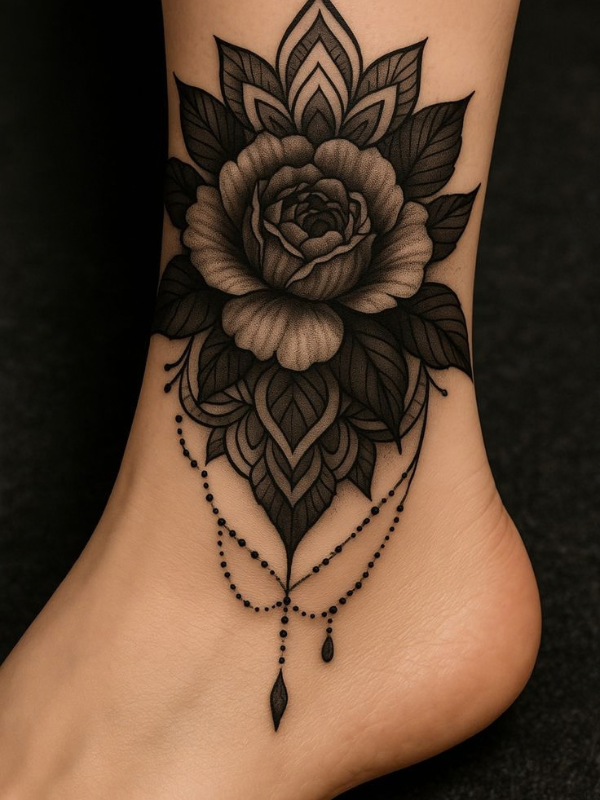
Ankle and Calf Botanical Tattoos for a Subtle Look
If you prefer a tattoo that does not always take center stage, consider the ankle or calf.
A small sprig can sit just above the ankle, while a longer branch can follow the calf. These areas offer different amounts of space, so the size of your chosen design matters.
Ankle tattoos can also be affected by footwear and friction during healing. Your artist can advise you on placement and aftercare, especially if you wear shoes that rub against the area.
Back and Rib Botanical Tattoos for Flowing Designs
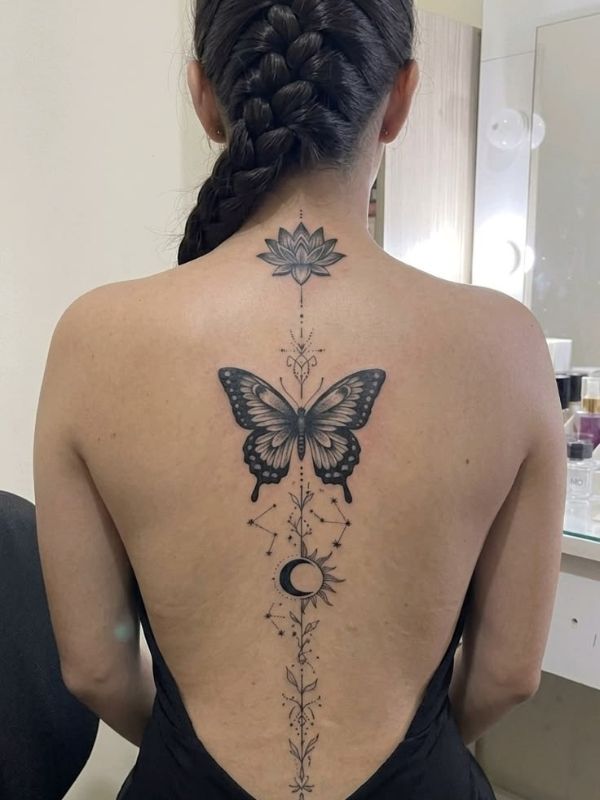
The back and ribs provide room for longer compositions. You can use these areas for branches, vines, or botanical illustrations with several connected elements.
A design along the ribs can follow the body’s natural contours. However, this placement may be more uncomfortable during tattooing than some other areas.
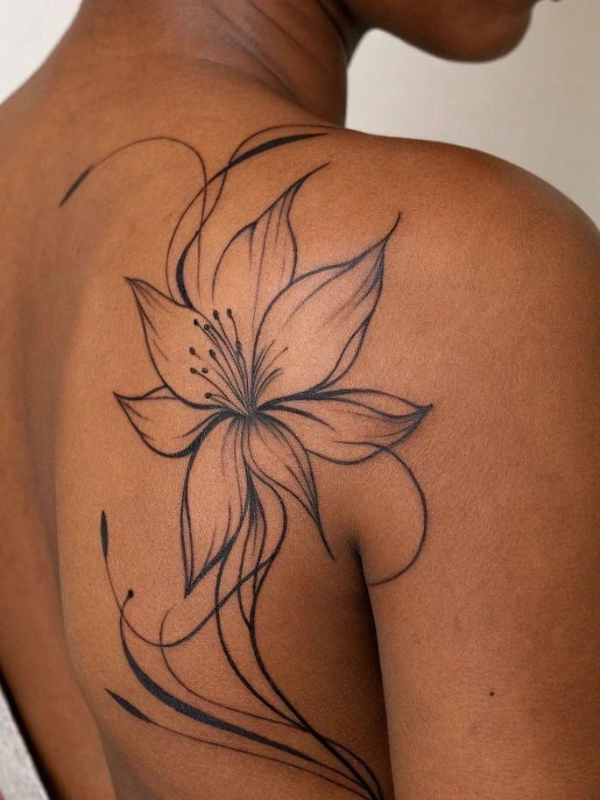
The back also offers flexibility. You can choose a small design near the shoulder blade or a larger composition across part of the back.
Ultimately, the best placement depends on the design you want, your comfort, and how visible you would like your tattoo to be.
Make Your Botanical Tattoo Work With Your Everyday Style
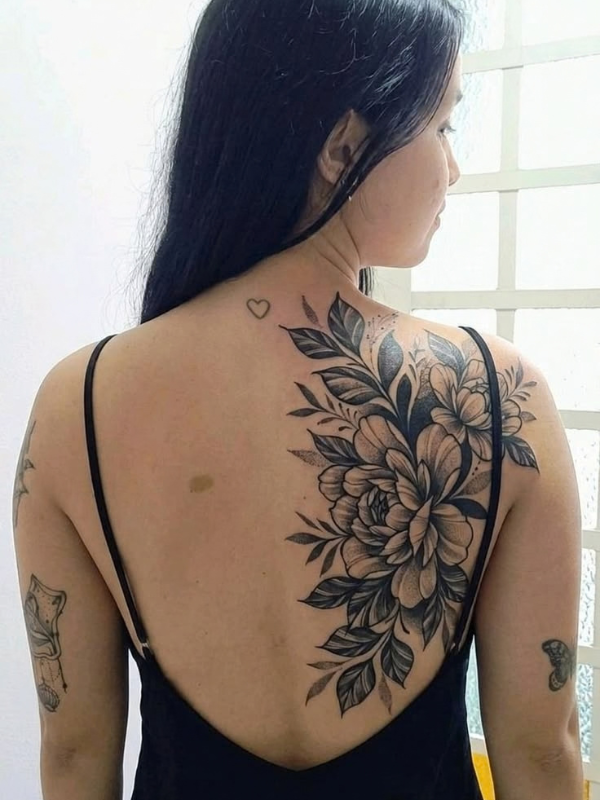
One reason botanical tattoos remain appealing is their versatility. A small leafy branch can complement a simple outfit, while a detailed plant illustration can become a noticeable part of your overall look.
You do not need to change your wardrobe to suit your tattoo. Instead, consider how the placement works with the clothes you already enjoy wearing.
If you have a forearm tattoo, for example, short sleeves and sleeveless tops can make it more visible. A shoulder design may show with an open neckline, while an ankle tattoo can appear naturally with sandals or cropped trousers.
You can also keep things simple. Botanical artwork often has enough detail to stand on its own, so you do not need to add several accessories to make it noticeable.
That does not mean you should avoid jewelry. A few bracelets or rings can complement a visible tattoo. The trick is to choose accessories that work with the overall look rather than compete with every detail.
For formal occasions, your clothing can determine how much of the tattoo you reveal. A long-sleeved outfit can cover a forearm design, while a sleeveless dress may show an upper-arm or shoulder tattoo.
Think about these everyday situations before deciding on placement. If you want your tattoo to remain private most of the time, choose an area that is easy to cover. If you enjoy showing your ink, a more visible location may suit you better.
Most importantly, do not feel that botanical tattoos have to look delicate or feminine. Dark foliage, bold branches, and realistic plant illustrations can work with many different personal styles.
Your tattoo should complement the way you choose to express yourself.
Choose Plant Details That Make Your Design Stand Out
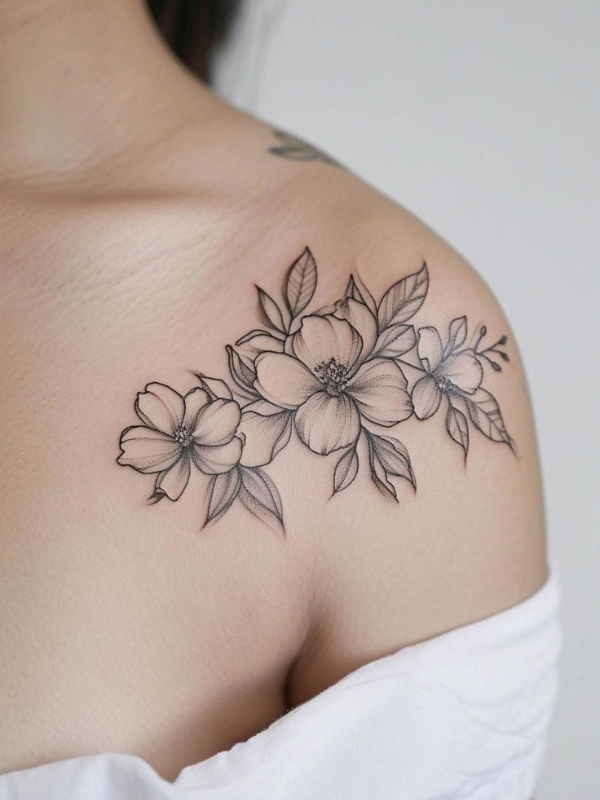
The plant you choose can have as much influence on the final tattoo as the style itself. Different plants have different shapes, textures, and natural patterns. These features give your artist something distinctive to work with.
Ferns are a good option if you like detailed leaves arranged along a central stem. Their repeating shapes can create a balanced design that works well on the forearm or calf.
Wildflowers offer a more relaxed appearance. Their varied stems and petals can create a design that feels natural rather than perfectly arranged. They can also be combined in a loose composition without making every flower the same size.
Olive branches have a recognizable shape, with narrow leaves arranged along a slender stem. They can work well in a simple design or as part of a larger botanical illustration.
Eucalyptus leaves can create a softer, rounded appearance. Depending on the arrangement, they may suit a small sprig or a more detailed branch.
Climbing vines are useful when you want a design with movement. Their winding stems can follow the shape of an arm, leg, or shoulder.
You can also choose a plant because it reminds you of a particular person, place, or experience. However, do not feel pressured to find a symbolic meaning for every leaf.
If symbolism matters to you, research the plant and its cultural associations. Meanings can vary between cultures, so avoid assuming that one interpretation applies everywhere.
It is also worth thinking about how the plant will look as a tattoo. Some plants have tiny leaves or complicated structures that require more space. Others have simple outlines that translate well into smaller artwork.
Discuss these details with your artist before settling on a final design.
Get the Size and Detail Right Before Your Tattoo Appointment
A tattoo can look perfect on your phone and still need adjustments before it is ready for your skin.
This often happens when people choose a design with many small details but want it in a very limited space. The original artwork may look clear on a screen because you can zoom in. Once the same design is reduced, the lines and leaves may become crowded.
Botanical tattoos need room for their details to remain distinguishable. This is especially important if you want several flowers, thin stems, or realistic leaf patterns in one composition.
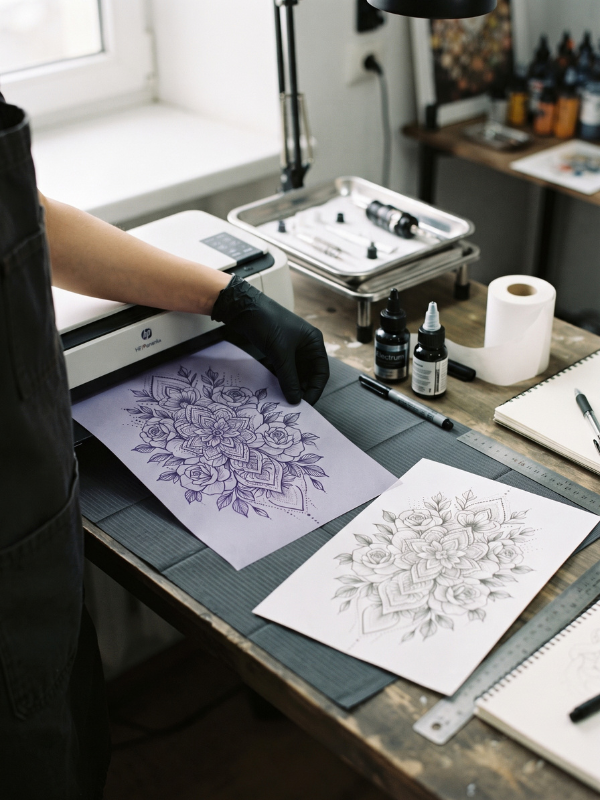
Before your appointment, ask your artist to prepare a stencil at the intended size. Look at the design from a normal viewing distance, not just up close.
Pay attention to the spacing between leaves and flowers. Consider whether the stems have enough room to stand apart and whether the smallest details are still clear.
You should also review the artist’s healed work. Fresh tattoos can look very crisp, but healed examples provide a better idea of how their lines and shading settle over time.
If the design needs more space than you originally planned, consider making it slightly larger or simplifying a few details. You do not have to abandon the idea entirely.
Sometimes, removing a few extra leaves creates a cleaner result. In other cases, a larger placement allows the original design to work as intended.
Your tattoo artist should be able to explain the options and help you find a sensible balance between size, detail, and placement.
Keep Your Botanical Tattoo Looking Its Best
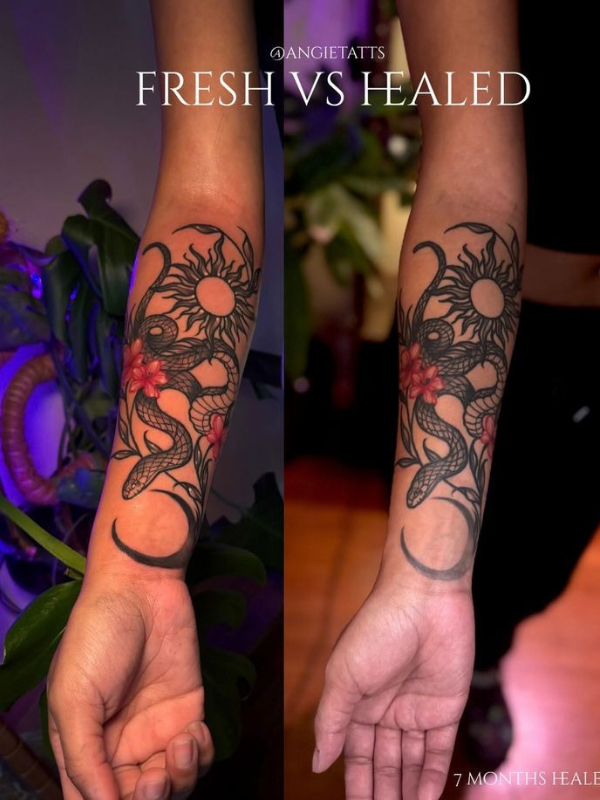
Choosing a good design is only part of the process. Proper aftercare also matters, particularly during the first few weeks.
Follow the cleaning and healing instructions provided by your tattoo artist. Avoid picking at peeling skin or scratching the tattoo as it heals. These habits can irritate the area and interfere with the healing process.
You should also follow your artist’s advice about exercise, swimming, soaking, and clothing that may rub against the fresh tattoo.
Once the tattoo has healed, protect the skin from excessive sun exposure. UV rays can contribute to fading over time, so use broad-spectrum sunscreen on healed, exposed tattoos and cover the area when practical.
Remember that tattoos naturally change as the skin ages. Fine lines may soften, and the appearance of the artwork may shift over the years. Good aftercare helps protect the skin, but it cannot stop every change.
If you notice increasing redness, spreading warmth, worsening pain, pus, or other signs that suggest an infection, seek medical advice.
A botanical tattoo does not need complicated care forever. However, looking after your skin and protecting the artwork can help it remain attractive for longer.
Choose Botanical Tattoos You Will Enjoy Wearing for Years
There is no single botanical tattoo that works for everyone. You might prefer a small leaf near your ankle, while someone else may want a detailed branch across their forearm. Both choices can work when the design and placement make sense together.
Before committing, look beyond the first photograph that catches your attention. Think about the plants you like, the amount of detail you want, and the areas of your body where the artwork could sit comfortably.
Also, give yourself time to make a decision. Saving reference pictures is useful, but you do not have to choose a design just because you have been looking at it for weeks. If something feels wrong, keep exploring your options.
Most importantly, work with an artist who understands the style you want and can help you plan the details properly.
Botanical tattoos offer plenty of ways to express your personal style through nature-inspired artwork. Whether you choose a delicate sprig or a bold plant illustration, the best design is one that feels right for you and has been planned with care.
This Post Showed You Botanical Tattoos and the Best Ways to Wear Nature-Inspired Ink
You may also like:
15 Neck Tattoo Ideas for a Bold Look
2 Comments