Healthy, beautiful locs need consistent care to stay clean, strong, and well-maintained. Whether you have starter locs or mature locs, following the right locs maintenance tips can help you care for your scalp, reduce buildup, protect your roots, and keep your locs looking their best. You do not need an expensive collection of products or a complicated routine. Simple habits, when practiced consistently, can make a big difference.
In this guide, you will discover 15 practical locs maintenance tips that can help you build a simple and effective loc care routine.
15 Locs Maintenance Tips for Healthy, Beautiful Locs
1. Keep Your Scalp Clean
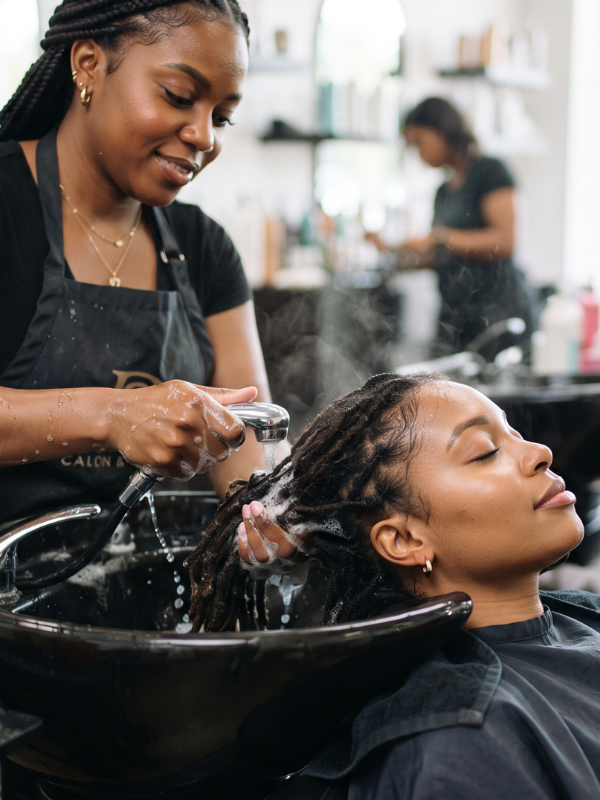
A clean scalp is one of the foundations of healthy locs. Dirt, sweat, dead skin, and excess oil can build up around your roots if you do not cleanse your scalp regularly.
However, clean does not mean washing your hair every day. Over-washing can leave your scalp and locs feeling dry.
Choose a gentle shampoo that cleans your scalp without leaving a heavy residue behind. Pay particular attention to your scalp when washing rather than aggressively rubbing your locs.
Use your fingertips to gently massage the shampoo into your scalp. Then allow the water and shampoo to move through your locs as you rinse.
A clean scalp can also make your locs feel lighter and fresher.
2. Wash Your Locs Regularly
One common misconception is that locs should rarely be washed. In reality, locs still need regular cleansing.
Your ideal washing schedule depends on your scalp, lifestyle, activity level, and stage of loc development. Someone who exercises frequently may need to wash more often than someone with a less active lifestyle.
When washing, make sure you rinse thoroughly. Shampoo left inside the locs can contribute to buildup.
If you have starter locs, you may need to follow the maintenance advice recommended by your loctician, especially during the early stages.
The goal is simple: keep your scalp and locs clean without stripping away too much moisture.
3. Keep Your Scalp Moisturized

Dryness can make your scalp uncomfortable and may make your locs feel rough. That is why moisturizing is another important part of your loc care routine.
Lightweight, water-based products are usually easier to work with because they are less likely to leave heavy residue.
You can also lightly mist your hair with water when it feels dry. The key is moderation.
You do not need to soak your locs with oil every day. In fact, using too much oil can attract dirt and contribute to buildup.
Pay attention to how your scalp and locs feel. If they feel comfortable and moisturized, there is no need to keep adding products.
4. Dry Your Locs Completely After Washing

Never underestimate the importance of properly drying your locs.
Because locs are dense, water can remain trapped inside them for much longer than it would in loose hair. This is especially true if your locs are thick.
After washing, gently squeeze out excess water with a clean towel. Avoid aggressively rubbing your hair.
You can allow your locs to air-dry when conditions are suitable. However, make sure they are completely dry before going to bed or covering them for an extended period.
If you use a hair dryer, choose an appropriate setting and avoid excessive heat.
Proper drying should always be part of your wash-day routine.
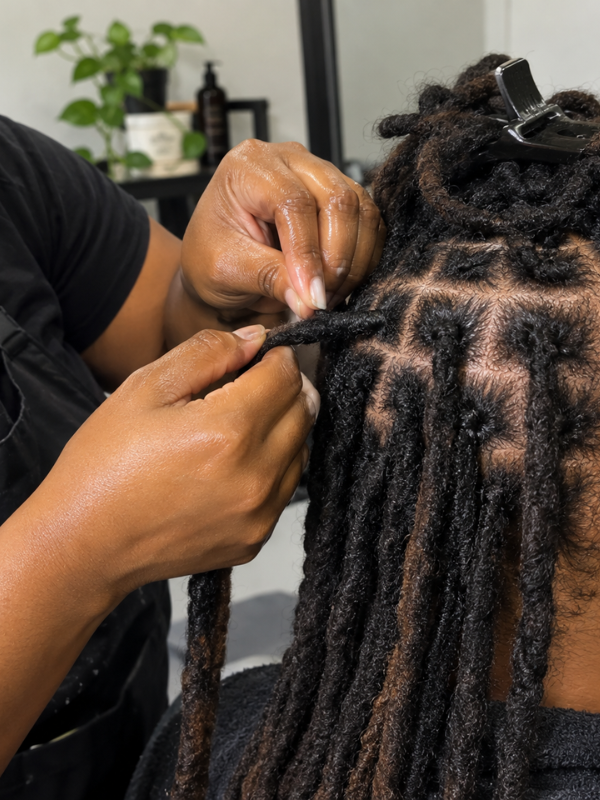
5. Avoid Excessive Retwisting
Neat roots can make locs look polished, but constantly retwisting your hair is not necessary for healthy locs.
Frequent or overly tight retwisting can place unnecessary tension on your roots. Over time, this may contribute to thinning or breakage around the hairline.
Instead of trying to keep your roots perfectly neat all the time, allow your hair to grow naturally between maintenance sessions.
How often you need a retwist depends on your hair growth, loc type, and personal preference. Some people prefer more frequent maintenance, while others enjoy a softer, more natural appearance.
Healthy roots should always come before perfectly neat roots.
6. Protect Your Locs While Sleeping

Your nighttime routine can have a surprising effect on your locs.
Cotton pillowcases can create friction as you move during sleep. This can contribute to dryness and frizz.
A satin or silk bonnet can help reduce friction while protecting your hairstyle. If you do not like wearing a bonnet, a satin or silk pillowcase is another option.
Make sure your bonnet is comfortable and not so tight that it puts pressure on your hairline.
Protecting your locs at night is one of the easiest maintenance habits to make consistent.
7. Keep Your Locs Free From Product Buildup
Product buildup is one of the biggest problems people with locs can face.
Heavy creams, thick gels, waxes, and excessive oils can become trapped inside locs. Over time, this can make them feel heavy, sticky, or difficult to clean.
Before using a new product, consider whether you actually need it.
Look for lightweight products designed with loc care in mind. More product does not automatically mean healthier hair.
If you notice visible residue or buildup, speak with a professional loctician about safe ways to cleanse your locs.
Your locs should feel clean and lightweight rather than coated with layers of products.
8. Be Gentle With Your Locs
Locs may look strong, but the hair growing from your scalp still needs gentle treatment.
Avoid constantly pulling, tugging, twisting, or picking at your locs.
Be particularly careful when separating locs that have started growing together. Pulling them apart aggressively can cause unnecessary stress on the hair.
You should also handle your hair gently when washing, drying, and styling.
Small habits add up. Treating your locs carefully can help reduce unnecessary breakage and maintain the strength of your hair.
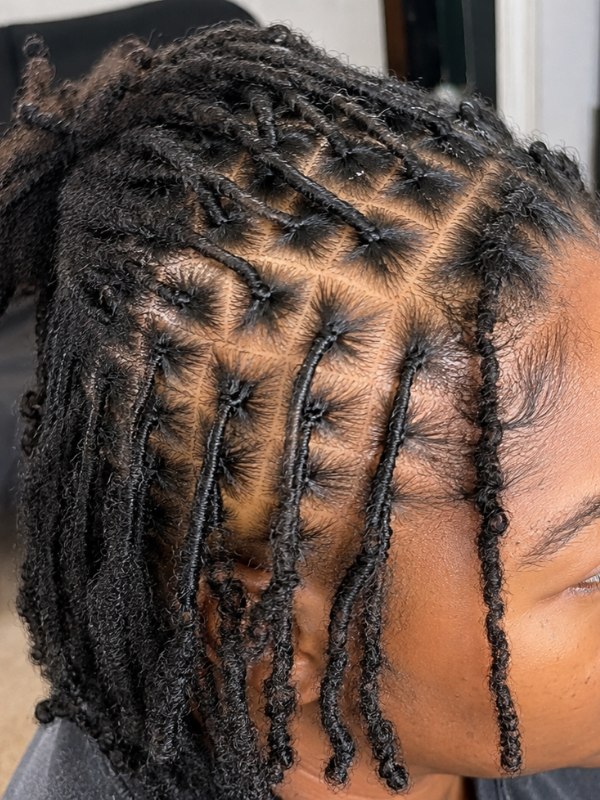
9. Maintain Healthy Loc Roots
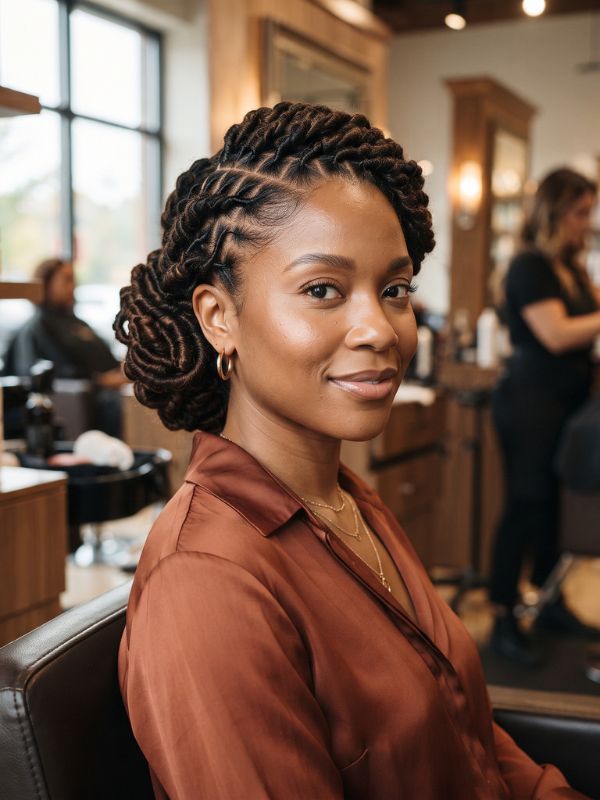
Your roots are the foundation of your locs.
If your roots become weak or excessively thin, heavy locs and tight hairstyles can place additional stress on them.
Avoid hairstyles that pull strongly on your edges or roots. If a style feels painful or causes a headache, it is too tight.
You should also pay attention to areas where your locs are becoming unusually thin.
If you notice persistent thinning or changes in your scalp, consider getting advice from a qualified hair professional or healthcare professional.
Beautiful locs start with healthy roots.
10. Trim Damaged or Weak Ends When Necessary
Not every loc needs to be trimmed. However, damaged or extremely weak ends may sometimes benefit from professional trimming.
Look at the ends of your locs from time to time. If you notice severe splitting, excessive thinning, or damaged sections, talk to your loctician about your options.
Avoid cutting your locs simply because they are not perfectly uniform.
The purpose of trimming should be to address genuine damage or improve the health and appearance of the hair.
If you are unsure whether your locs need trimming, getting professional advice is better than cutting them yourself.
11. Choose Loc-Friendly Hairstyles

Styling your locs can be fun, but not every hairstyle is equally gentle on your roots.
Choose styles that allow your locs to look beautiful without placing excessive tension on your scalp.
Loose ponytails, buns, half-up styles, and other low-tension looks can be good options when done carefully.
Avoid keeping tightly pulled styles in for long periods.
You should also give your hair a break between styles. If your scalp feels sore after styling, take that as a sign that your hair needs some rest.
A good hairstyle should look great without leaving your scalp uncomfortable.
12. Protect Your Locs During Exercise and Swimming
Sweat, chlorine, and frequent exposure to water can affect your loc care routine.
If you exercise regularly, pay attention to how your scalp feels after sweating. You may need to adjust your washing schedule based on your lifestyle.
Swimming also requires some extra care. Chlorinated water can leave your hair feeling dry, while pool water may contribute to residue if it is not properly rinsed out.
Consider protecting your locs before swimming and rinse them thoroughly afterward.
Most importantly, dry them completely after washing or swimming.
13. Give Your Locs Breaks Between Hairstyles
Locs do not need to be styled constantly.
Although protective and decorative hairstyles can make your hair look different and exciting, keeping your locs in the same style for too long can create unnecessary tension.
After removing a style, allow your hair to rest before immediately putting it into another tight hairstyle.
This is especially important if you notice soreness, tenderness, or thinning around your roots.
Sometimes, the best maintenance is simply leaving your locs alone.
14. Pay Attention to Changes in Your Scalp and Locs
Your scalp can tell you a lot about your hair’s condition.
Pay attention to persistent itching, irritation, unusual dryness, tenderness, or changes in the appearance of your scalp.
Also check your locs for unexpected thinning, excessive breakage, or other changes.
Do not ignore problems simply because your locs still look good from the outside. Your scalp and roots deserve attention too.
If you notice a persistent or concerning scalp issue, consider speaking with a healthcare professional or qualified hair professional for appropriate guidance.
15. Stay Consistent With Your Loc Care Routine
The final tip is perhaps the most important one: stay consistent.
You do not need to do something complicated every day to maintain healthy locs.
A simple routine can include regular cleansing, light moisturizing when needed, proper drying, nighttime protection, and gentle styling.
Pay attention to what works for your hair. Your locs may need different care during different seasons or stages of growth.
Consistency is more useful than constantly changing products or routines.
How Often Should You Maintain Your Locs?
There is no single schedule that works for everyone.
Your maintenance routine depends on several factors, including your loc maturity, scalp needs, lifestyle, hair texture, and preferred appearance.
For example, you may wash your locs whenever your scalp needs cleansing rather than following a strict calendar. Moisturizing can also be done when your hair or scalp feels dry instead of applying products unnecessarily.
Retwisting is another personal choice. Some people prefer frequent retwists for a neat appearance, while others prefer to allow their roots to grow more freely.
The most important thing is to avoid creating a routine that causes unnecessary dryness, buildup, or tension.
Simple Locs Maintenance Routine
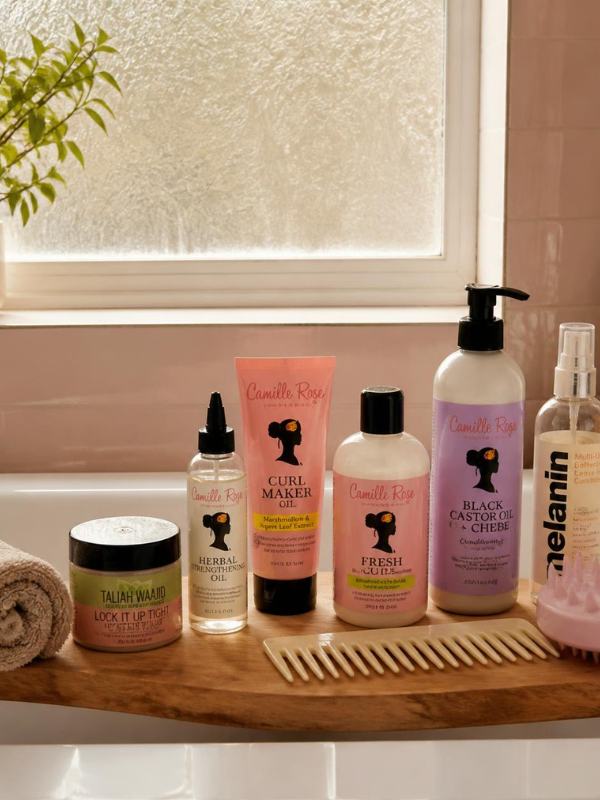
A simple routine can make caring for your locs much easier.
Weekly
- Check your scalp for dryness or irritation.
- Lightly moisturize if needed.
- Protect your locs while sleeping.
- Avoid unnecessary pulling or styling.
On Wash Day
- Cleanse your scalp and locs thoroughly.
- Rinse out all shampoo.
- Gently remove excess water.
- Allow your locs to dry completely.
Monthly
- Check your roots for thinning.
- Look for buildup.
- Inspect your ends.
- Consider whether your current products are still working well.
- Assess whether your locs need professional maintenance.
You do not have to follow these steps exactly. Use them as a starting point and adjust your routine according to your hair’s needs.
Common Locs Maintenance Mistakes to Avoid
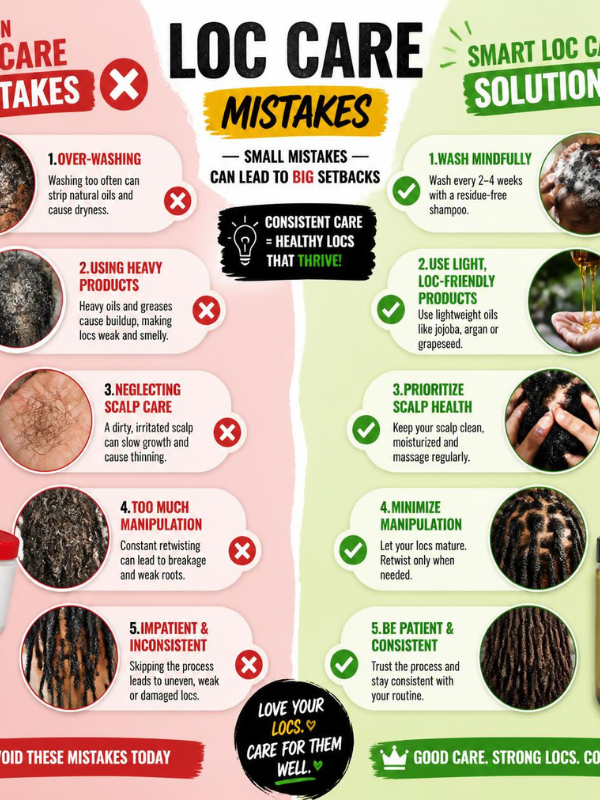
Even with good intentions, some habits can make loc care more difficult.
One common mistake is using too much product. Heavy layers of oil, gel, and cream can become trapped inside locs.
Another mistake is retwisting too frequently. Constantly tightening your roots can create unnecessary tension.
Some people also go to bed with wet locs. Because locs can hold moisture for a long time, make sure they are properly dry before sleeping.
You should also avoid wearing tight hairstyles repeatedly. Your roots need time to rest.
Finally, do not ignore your scalp. If something feels different or uncomfortable for an extended period, investigate the cause rather than covering it up with another product.
Taking care of locs does not have to be complicated. The best approach is to focus on the basics: keep your scalp clean, moisturize when needed, dry your locs properly, protect them at night, avoid excessive tension, and use products sparingly.
These locs maintenance tips can help you build a simple routine that supports healthy-looking, beautiful locs.
Remember that your locs do not have to look perfectly neat every day to be healthy. Give your hair time to grow, learn what works for your scalp, and be consistent with your care.
Healthy locs are a journey, not a race. With patience and gentle care, you can enjoy beautiful locs at every stage.


One Comment