18 Beautiful Sisterlocks Hairstyles That Show Off Your Locs
Sometimes, all it takes is a different hairstyle to make you appreciate your locs in a new way. You might have been wearing your Sisterlocks for weeks, usually with the same middle part or swept behind your shoulders. There is absolutely nothing wrong with that, but you may want to change your hairstyle without doing anything drastic to your hair.
Perhaps you have a birthday dinner coming up, an event where you want to dress cute, or simply one of those mornings when you look in the mirror and feel like trying something different. You know your locs look good, but you want a style that brings out another side of them.
One of the lovely things about Sisterlocks is that their small size allows for different styling possibilities. Depending on their length, maturity, and condition, you can wear them loose, gather them into buns, create beautiful updos, experiment with twists, or add accessories that give your hairstyle a little more personality.
You do not have to wait for a special occasion to enjoy these options either. Some styles are simple enough for everyday wear, while others are worth saving for weddings, celebrations, and occasions when you want your hair to make you look gorgeous.
If you are looking for inspiration beyond your usual hairstyle, these 18 beautiful Sisterlocks hairstyles will give you plenty of ideas to consider. Even if your locs are short, medium-length, or long, there are different ways to style them while keeping comfort and proper loc care in mind.
18 Beautiful Sisterlocks Hairstyles to Try
Sisterlocks can be styled in more ways than simply wearing them down. Their delicate size makes it possible to arrange them into different shapes, create interesting parts, and combine loose sections with gathered styles.
However, the finished appearance will depend on your loc length, density, maturity, and the way your hair naturally falls. A hairstyle that looks full and dramatic on someone with long Sisterlocks may need a slightly different approach on shorter locs.
The ideas below cover different preferences, from simple everyday hairstyles to more elaborate looks for special occasions.
1. Long Sisterlocks With a Middle Part
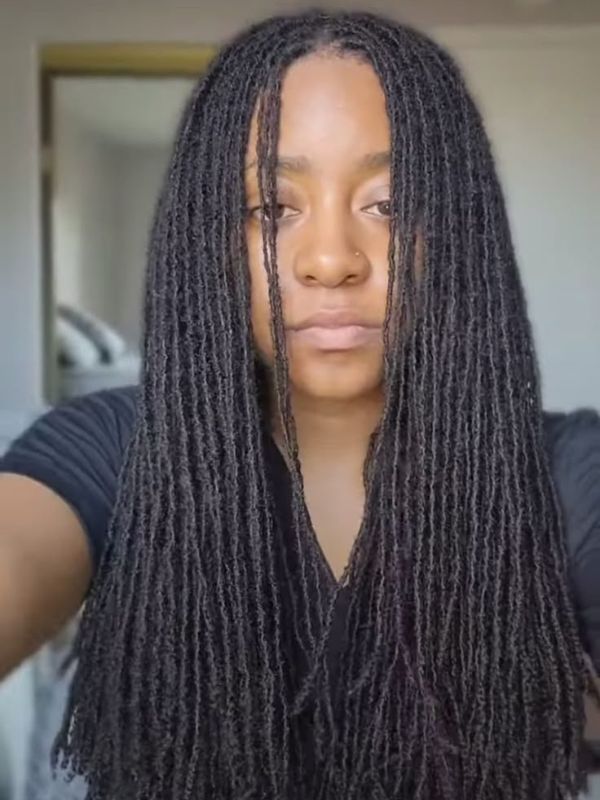
A middle part is one of those hairstyles that looks simple but never feels out of place. If you enjoy wearing your Sisterlocks loose, creating a neat centre part is an easy way to give your hair a balanced appearance without gathering or twisting it into a complicated style.
This hairstyle allows your locs to fall naturally on both sides of your face. If they are long enough, you can let them rest over your shoulders, fall down your back, or bring a few sections forward to frame your face.
One reason this look works so well is that it allows the length and texture of your Sisterlocks to remain the main attraction. You do not need elaborate accessories or complicated arrangements. The individual locs create their own visual interest, especially when they fall freely and move naturally.
For a slightly more polished appearance, make sure your part is clean and arrange the locs so they fall evenly on both sides. You can also tuck a few locs behind your ears when you want your face and earrings to stand out.
This is a lovely option for everyday activities, work, casual outings, and even dressier occasions when you prefer understated hair.
If your Sisterlocks are still relatively short, the middle part can also work beautifully. The locs may sit closer to your face rather than falling over your shoulders, creating a neat, youthful appearance.
Styling tip: Avoid repeatedly pulling or manipulating the roots to maintain a perfectly straight part. Work with your natural parting pattern and ask your stylist about any concerns with your grid or new growth.
2. Side-Swept Sisterlocks
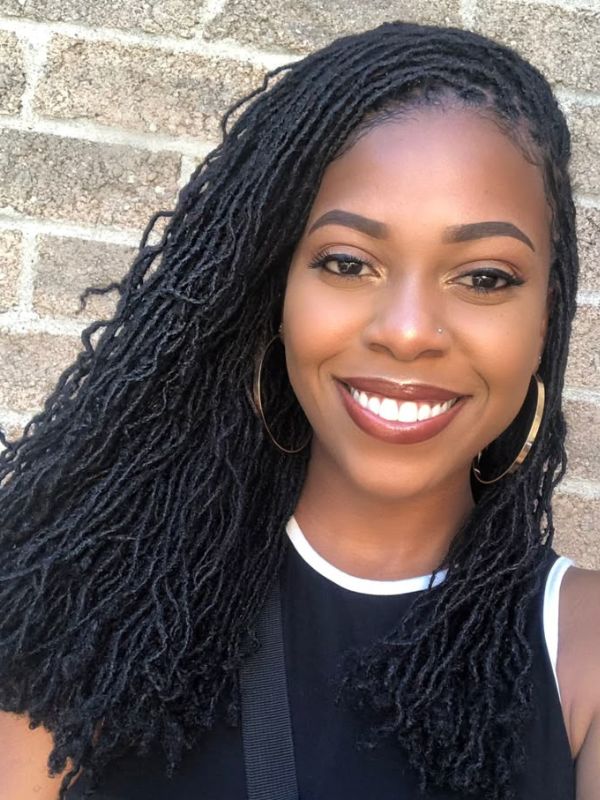
If you usually wear your locs with a middle part, sweeping them to one side is a simple way to create a noticeably different appearance. It does not require cutting your hair, adding extensions, or making a complicated updo. You are simply changing how the locs frame your face.
The beauty of side-swept Sisterlocks is the asymmetrical shape. One side has more visible volume, while the other side is more exposed. This creates a soft, slightly dramatic appearance that works particularly well with medium-length and long locs.
You can let most of your locs fall over one shoulder, or sweep them toward the back while leaving a few sections around the front. Both approaches give the hairstyle a relaxed finish without making it look unfinished.
This style is also a lovely choice when you want to show off statement earrings. Since one side of your hair is pulled away from your face, your accessories become more noticeable.
For a birthday dinner or evening event, you can pair side-swept locs with a fitted dress, a simple necklace, and earrings that complement your outfit. For everyday wear, there is no need to make the style overly polished. Letting the locs fall naturally gives it a more relaxed appearance.
Women with shorter Sisterlocks can try a similar arrangement by creating a deep side part and allowing the shorter sections to fall diagonally across the forehead.
Styling tip: If you need to secure the hair on one side, use an appropriate accessory that does not snag your locs. Avoid pulling the hair tightly toward one side for extended periods, particularly if you notice tension around your hairline.
3. High Sisterlocks Bun
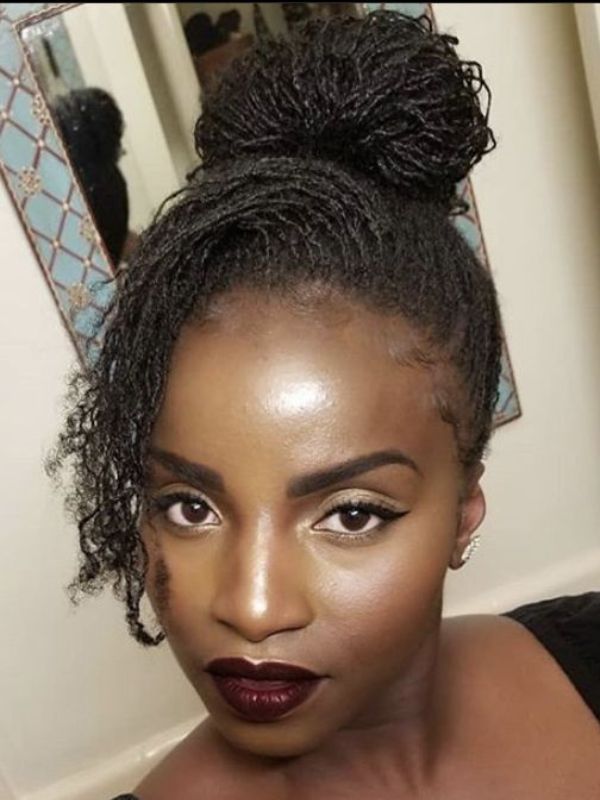
A high bun is one of the most practical ways to style longer Sisterlocks when you want your hair away from your neck and shoulders. It creates height at the crown, gives the face more attention, and can look equally beautiful with casual and formal outfits.
The basic idea is to gather your locs toward the top of your head and arrange the length into a bun. Depending on how much hair you have, you can create a rounded bun, a fuller textured bun, or a more compact arrangement.
One of the things to consider when creating this style is how much weight your locs carry. Long Sisterlocks can become quite heavy when gathered together, so the bun should be positioned and secured comfortably. A hairstyle should not leave your scalp feeling sore or create constant pulling around the roots.
You can also leave a few locs around the front if you prefer a softer appearance. However, a completely gathered bun gives a more polished finish that works well for professional settings, church, weddings, and formal dinners.
If your Sisterlocks are medium-length, you may still be able to create a smaller high bun. The result will depend on your loc count, length, and how much hair you can comfortably gather.
For women who enjoy wearing their locs up but do not want an elaborate braided arrangement, this is a style worth considering.
Styling tip: Use a soft hair tie or suitable loc-friendly accessory. Do not repeatedly tighten the bun to make it look smaller or neater. If the arrangement feels uncomfortable, loosen it or choose a different position.
4. Half-Up Half-Down Sisterlocks
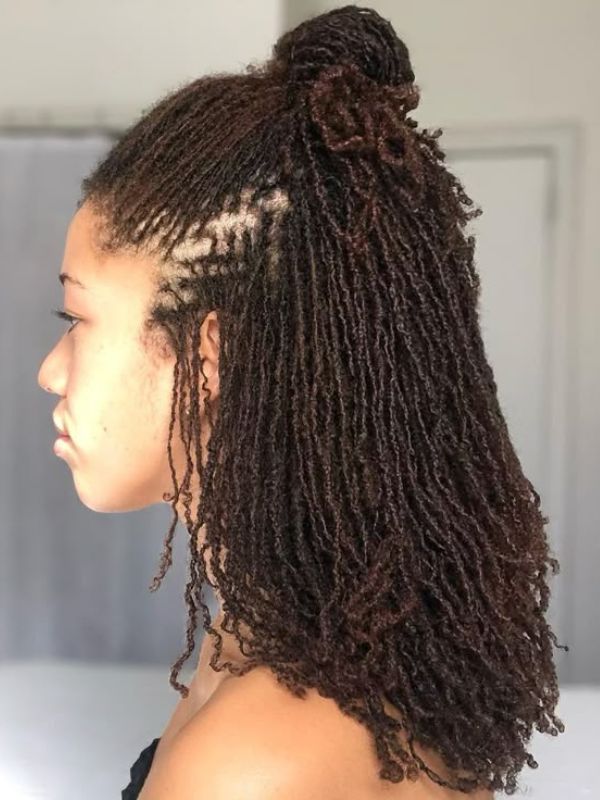
Sometimes you want your locs away from your face, but you are not ready to gather all of them into a bun or ponytail. That is where a half-up half-down hairstyle comes in.
This style combines two different looks. The upper section of your Sisterlocks is gathered, while the remaining locs are left loose. It gives you some of the neatness of an updo while allowing you to show off the length and movement of your hair.
There are several ways to arrange the gathered section. You can create a small bun at the crown, secure it into a ponytail, or simply gather the locs at the back of your head.
A small half-up bun gives the hairstyle a playful appearance, while a neatly secured ponytail creates a more understated finish.
This is particularly attractive on medium-length and long Sisterlocks because the loose lower section creates movement around the shoulders and back. If your locs are shorter, you can still experiment with gathering a smaller section at the front or crown.
One of the best things about this hairstyle is how easily it can fit different occasions. You can wear it to work, a casual outing, a dinner date, or a celebration without needing to change the entire arrangement.
You can also use a decorative hair accessory to make the gathered section stand out. A simple clip or an elegant accessory can change the overall appearance without requiring additional styling.
Styling tip: Separate the upper and lower sections gently. Make sure the gathered section is not too tight, especially around the front hairline. If you have a sensitive scalp, choose a looser arrangement.
5. Sisterlocks With Two-Strand Twists
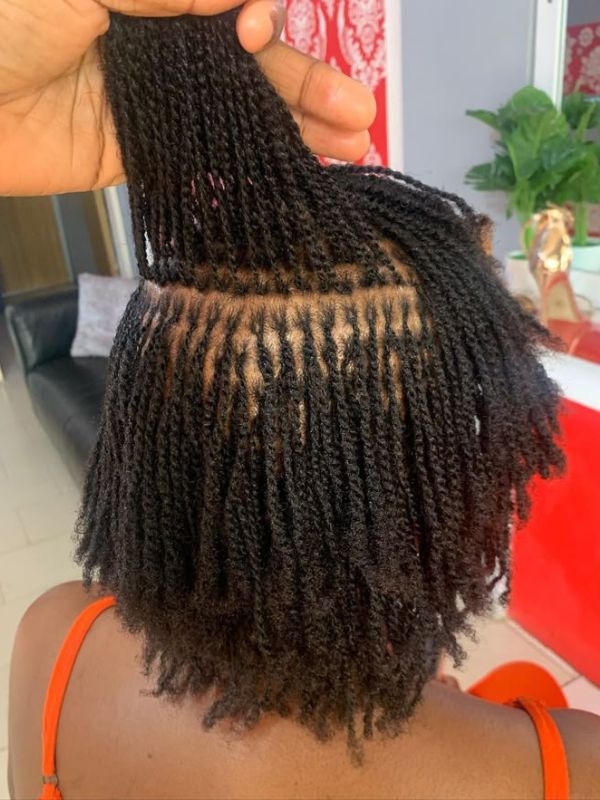
If you enjoy textured hairstyles, two-strand twists are another way to change the appearance of your Sisterlocks. Instead of leaving every loc hanging separately, you arrange selected locs or groups of locs into two-strand twists.
The result is a hairstyle with a more defined, rope-like appearance. It creates a different visual texture while still allowing you to work with your natural locs.
You can twist sections throughout the head and leave them hanging, or use the twists as the foundation for another hairstyle. For example, you might create a few twists at the front and gather the remaining locs into a low bun.
The number of sections you create will affect the finished appearance. Smaller sections can give a more detailed look, while larger sections create fewer, more noticeable twists.
This style can be particularly interesting for women who have become accustomed to wearing their Sisterlocks loose. It offers a change without requiring a completely different hairstyle.
However, there is an important distinction to keep in mind. Sisterlocks are individual locks, and twisting several of them together temporarily should not mean allowing them to remain tangled or joined at the roots. The sections need to be separated properly afterward according to your maintenance routine.
You should also consider the maturity of your locs before trying this style. Newly installed or settling Sisterlocks may need more careful handling, so check with your stylist before experimenting with unfamiliar techniques.
Styling tip: Keep the twists comfortable and avoid pulling them tightly at the roots. When taking them down, separate the individual locs gently rather than pulling them apart.
6. Sisterlocks Bantu Knots
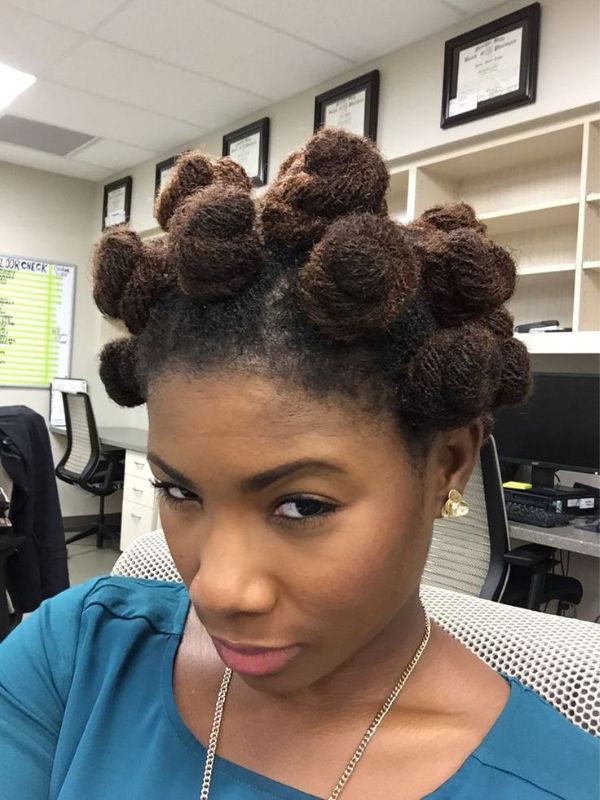
Bantu knots offer a more sculptural hairstyle for women who enjoy something different from the usual loose locs and ponytails.
Instead of allowing the Sisterlocks to hang freely, you divide the hair into sections and arrange each section into a small coiled knot. The knots sit close to the head and create an interesting pattern across the scalp.
You can choose the size and placement according to the look you want. Smaller knots create a more detailed appearance, while larger knots make a stronger statement.
One option is to arrange the knots evenly across the head. Another is to create a few larger knots toward the crown while keeping the remaining sections arranged differently.
Bantu knots are particularly attractive when you want your hairstyle to become part of your outfit rather than simply complement it. They have a distinctive appearance that works well for celebrations, cultural events, creative photoshoots, and casual outings.
You do not necessarily need long Sisterlocks to enjoy this style. Shorter locs may be arranged into smaller knots, depending on their length and how comfortably they can be secured.
The main consideration is tension. It can be tempting to wrap the locs tightly to make each knot look compact, but this is not worth the discomfort or strain on your roots.
Also, do not assume that every Sisterlocks installation will behave the same way. The locs’ length, maturity, and density will affect how easily they can be arranged.
Styling tip: Make sure the knots are secure but comfortable. If you feel pulling around the scalp, reduce the tension or ask a professional to help you create a more suitable arrangement.
7. Sisterlocks With Flat Twists
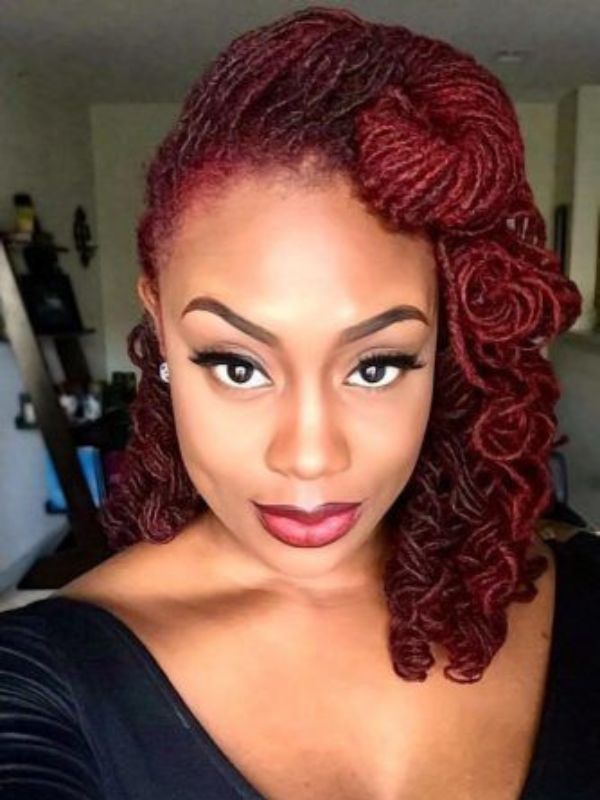
Flat twists add structure to a Sisterlocks hairstyle while keeping some of the locs close to the scalp. They are a beautiful option when you want something more detailed than simply sweeping your hair to one side.
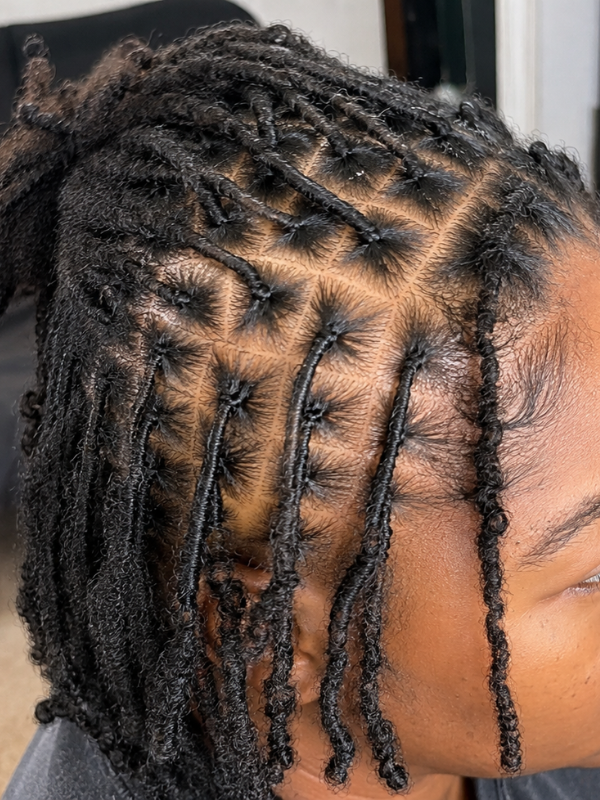
For this look, sections of Sisterlocks are arranged in a flat-twist-inspired pattern along the sides or front of the head. The remaining locs can be left loose, gathered into a bun, or secured at the back.
You can create two twists running backward from the front, arrange them along both sides, or use them to frame a centre part.
What makes this hairstyle interesting is the contrast between the structured sections and the remaining locs. The twists create visible detail, while the loose sections soften the overall appearance.
It is also a useful way to keep some of your hair away from your face without gathering every loc into one tight arrangement.
For an everyday look, you can keep the twists simple and allow the remaining locs to fall naturally. For a more formal occasion, combine the flat twists with a low bun or a carefully arranged updo.
The technique needs to be appropriate for your particular locs. Sisterlocks are small, and the way individual locs are incorporated into a twist can affect how the style sits. If you are unfamiliar with the technique, have an experienced loctician demonstrate it.
Styling tip: Avoid pulling the sides too tightly. Pay particular attention to the hairline and temples, where repeated tension can cause problems over time.
8. Sisterlocks Space Buns
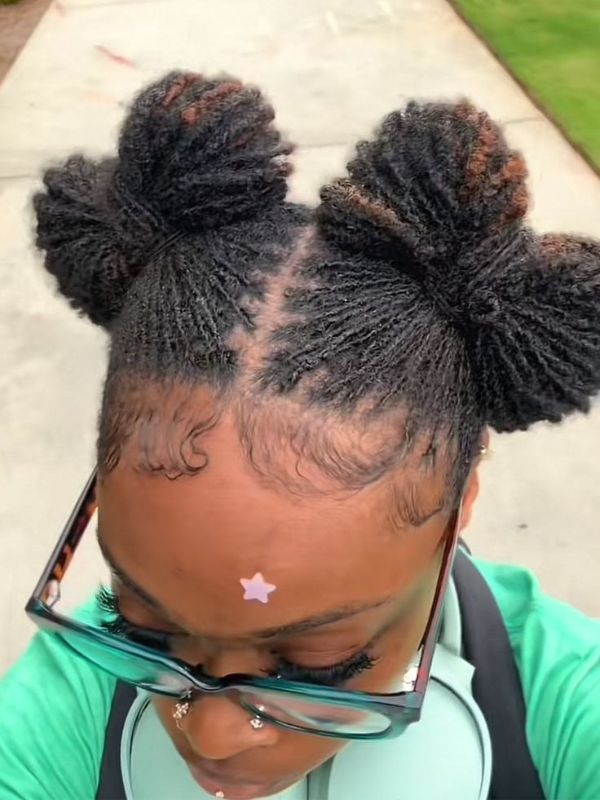
If you prefer hairstyles with a playful personality, space buns are worth adding to your inspiration list.
This style involves dividing your Sisterlocks into two sections and gathering each section into a bun on either side of the head. The buns can sit high near the crown or slightly lower, depending on the shape you want.
High space buns create a fun, youthful appearance, while lower buns can look a little more relaxed.
The hairstyle works particularly well when you want something different for a casual day out, a festival, a birthday celebration, or a weekend with friends.
You can keep both buns similar in size for a balanced look. If your locs are particularly long, you may have enough length to create fuller buns. Shorter Sisterlocks may require smaller buns or a half-up variation.
One way to make the style more interesting is to leave a few locs loose around the front. This creates a softer frame and prevents the hairstyle from looking too structured.
You can also experiment with a middle part between the two buns. This gives the hairstyle a more defined appearance and makes the arrangement look intentional.
However, you do not need to force your locs into large buns if there is not enough length. Working with what your hair can comfortably accommodate will produce a better result than trying to recreate a photograph exactly.
Styling tip: Divide the locs evenly and secure each bun gently. Make sure both sides feel comfortable, particularly if you plan to wear the hairstyle for several hours.
9. Low Sisterlocks Bun
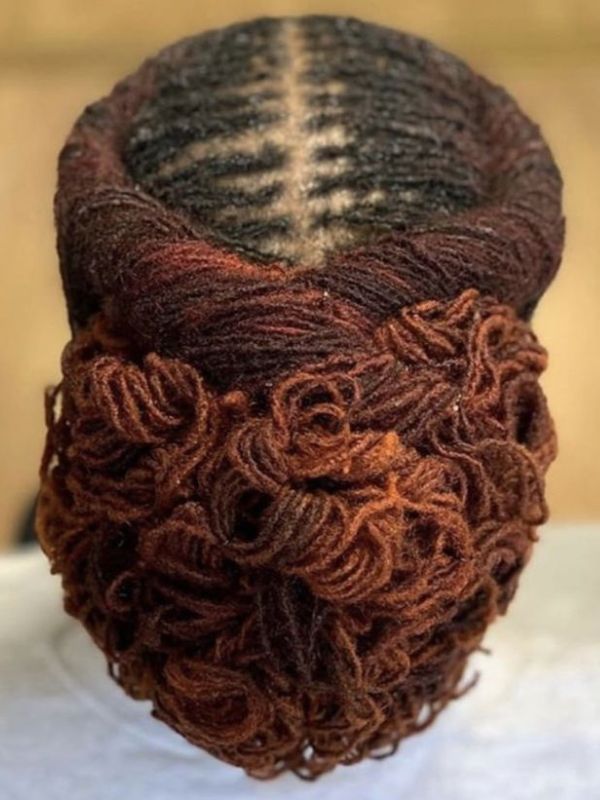
A low bun is a beautiful choice when you want an elegant hairstyle that does not require a lot of decoration.
Unlike a high bun, which draws attention toward the crown, a low bun sits near the nape of the neck. This gives the hairstyle a softer and more understated appearance.
To create the look, gather your Sisterlocks toward the back of your head and arrange the length into a bun. Depending on your loc length, the bun can be compact, rounded, or slightly textured.
The style works especially well for professional environments and formal occasions. It is a lovely option when you want your hair neatly arranged without covering your outfit or competing with your accessories.
For a wedding guest look, for example, a low Sisterlocks bun can complement a dress with an open neckline. You can also pair it with statement earrings or a delicate necklace.
If your locs are medium-length, you may be able to create a smaller bun. Longer Sisterlocks give you more material to work with and allow you to create a fuller arrangement.
Another advantage is that the hairstyle can be adapted to different preferences. You can keep the front sleek-looking without pulling tightly, or leave a little volume around the sides.
The most important thing is to make sure the weight of the locs is distributed comfortably. If the bun feels heavy or pulls at the back of your scalp, loosen it.
Styling tip: Use an appropriate hair tie or loc-friendly pins to secure the bun. Avoid pushing sharp pins through the locs themselves.
10. Sisterlocks High Ponytail
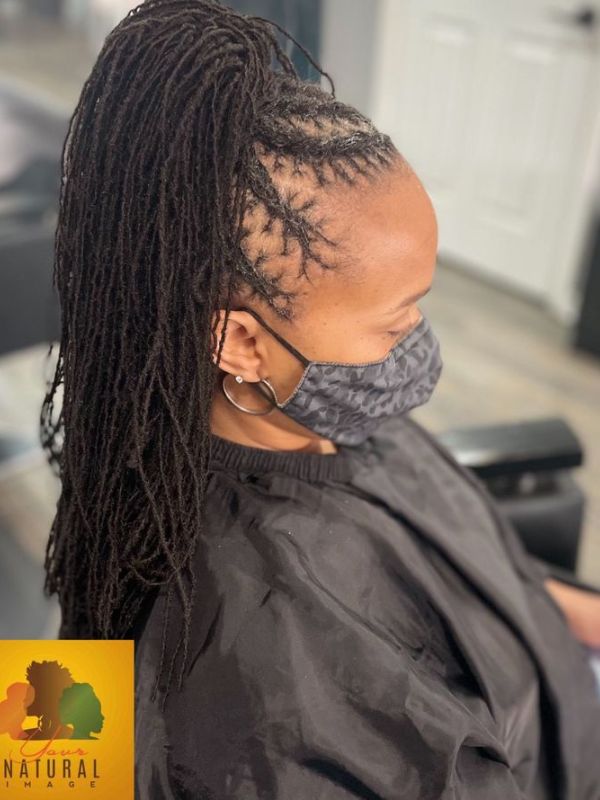
A high ponytail is one of the easiest ways to show off the length of your Sisterlocks while keeping them away from your shoulders.
The style involves gathering your locs toward the crown and securing them into a ponytail. Once arranged, the locs fall from the gathered section and create movement whenever you turn your head.
Long Sisterlocks make this hairstyle particularly striking because the ponytail has more length and volume. You can allow the locs to fall down your back or bring them forward over one shoulder.
For a polished appearance, arrange the locs evenly before securing them. You can also use a few locs to wrap around the base of the ponytail, provided you can do so comfortably without pulling or creating unnecessary friction.
A high ponytail is suitable for everyday activities, casual outings, and even dressier occasions. It also works nicely when you want to show off your neckline or wear an outfit with an interesting back detail.
If your Sisterlocks are shorter, a high ponytail may be difficult to achieve because some sections might not reach the gathered point. You can try a smaller half-up ponytail instead.
Although this style is simple, it is important not to wear it too tightly or repeat it every day without giving your roots a break. A ponytail that pulls continuously can put unnecessary stress on the same areas of your scalp.
Styling tip: Choose a soft, comfortable hair tie and avoid gathering the locs so tightly that you feel pulling around your temples or crown.
11. Sisterlocks With Curled Ends
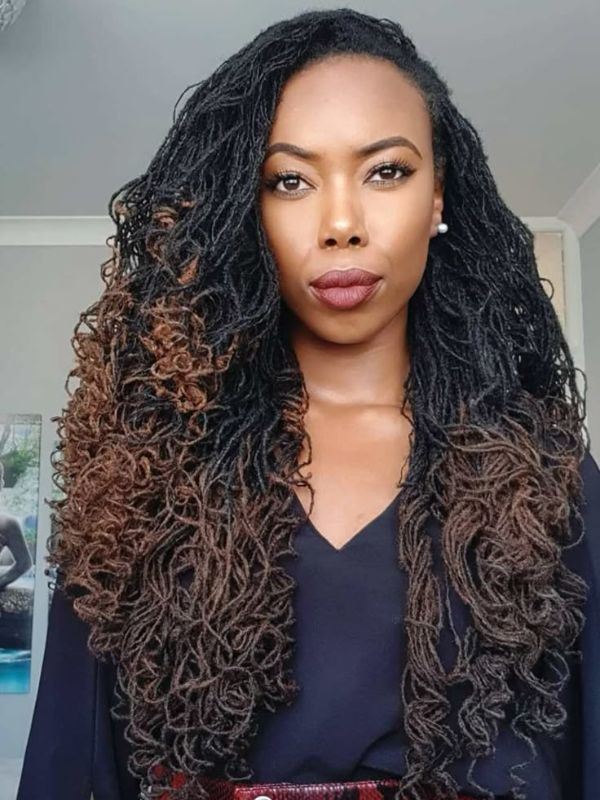
If you love hairstyles with a little movement, curled ends can give your Sisterlocks a different appearance without requiring you to gather all your hair into an updo.
This look combines the familiar shape of individual locs with a softer finish at the ends. Instead of allowing every loc to hang completely straight, you create curls or bends toward the lower sections.
The result can be subtle or more noticeable depending on the curling method and the size of the rollers used.
One of the things that makes this hairstyle attractive is the way the curls add movement. When you walk or turn your head, the curled ends create a slightly different silhouette from the usual straight-hanging locs.
It is particularly lovely on medium-length and long Sisterlocks because the curls have enough length to become visible.
For a special occasion, you can wear the curls loose with a middle part or sweep the locs toward one side. You can also combine them with a half-up arrangement if you want the hair away from your face.
When choosing a curling method, be careful about using direct heat. Sisterlocks can be affected by excessive heat, which may permanently alter the texture or shape of the locs. Roller sets or other suitable low-heat or heat-free methods are generally worth considering first.
The official Sisterlocks beginner guidance discusses styling versatility, while professional guidance also cautions against excessive heat and potential damage. https://www.sisterlocks.com/faq-for-beginners.html
Styling tip: Ask your Sisterlocks stylist about a suitable curling method for your loc maturity and condition. Do not assume that a technique that works on loose natural hair will automatically be appropriate for your locks.
12. Side-Parted Sisterlocks Bob
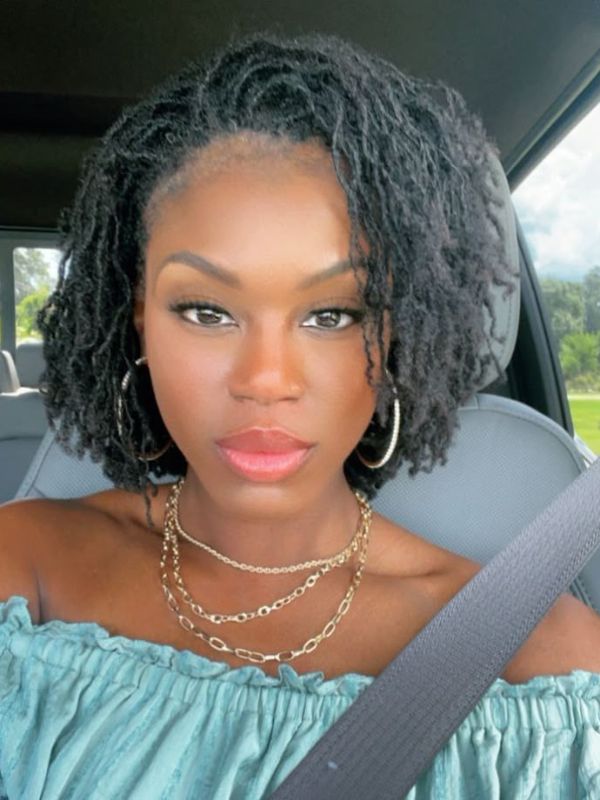
Shorter Sisterlocks can be just as stylish as longer ones, and a side-parted bob is a lovely example.
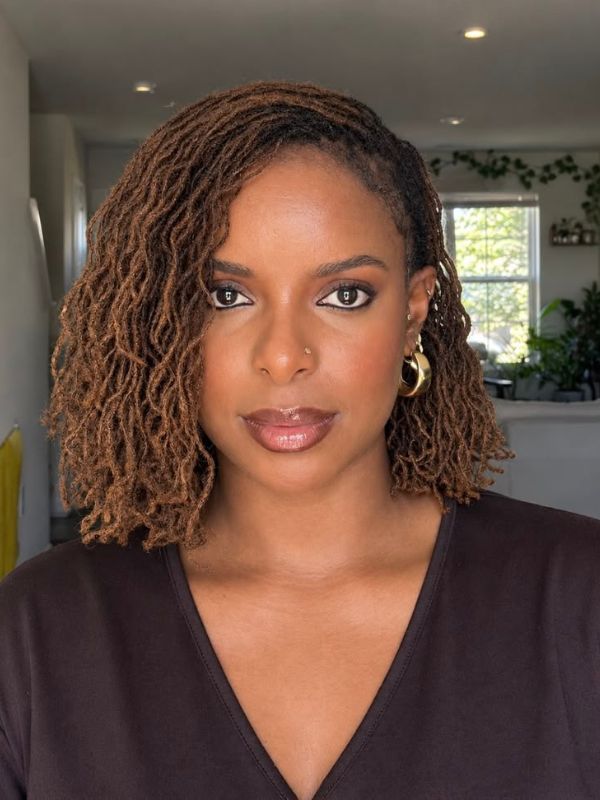
A bob shape gives the locs a defined outline around the face. Depending on the length, the ends may sit around the chin, jawline, or neck.
Adding a side part changes the balance of the hairstyle. One side can appear fuller, while the other falls more closely around the face.
This is a great option if you prefer hairstyles that do not require gathering your locs into a bun or ponytail. The shape itself provides the styling interest.
A well-shaped Sisterlocks bob can look sophisticated, modern, and easy to wear. It works for everyday activities, professional settings, and occasions when you want a neat hairstyle that does not require extensive preparation.
You can also tuck one side behind your ear to create a slightly different appearance. If you want to dress it up, statement earrings or a decorative headband can add personality without making the hairstyle feel crowded.
One thing to consider is that a bob depends on the way the locs fall. Some women may prefer a more rounded shape, while others enjoy a slightly uneven silhouette. Your stylist can help determine if a trim or shape adjustment is suitable.
Do not cut individual locs simply to recreate a photograph. A proper consultation is important because the distribution of your locs and the way they settle can affect the finished shape.
Styling tip: If you are considering changing your Sisterlocks into a bob, discuss the desired length and shape with a professional who understands your locking system.
13. Sisterlocks Braided Updo
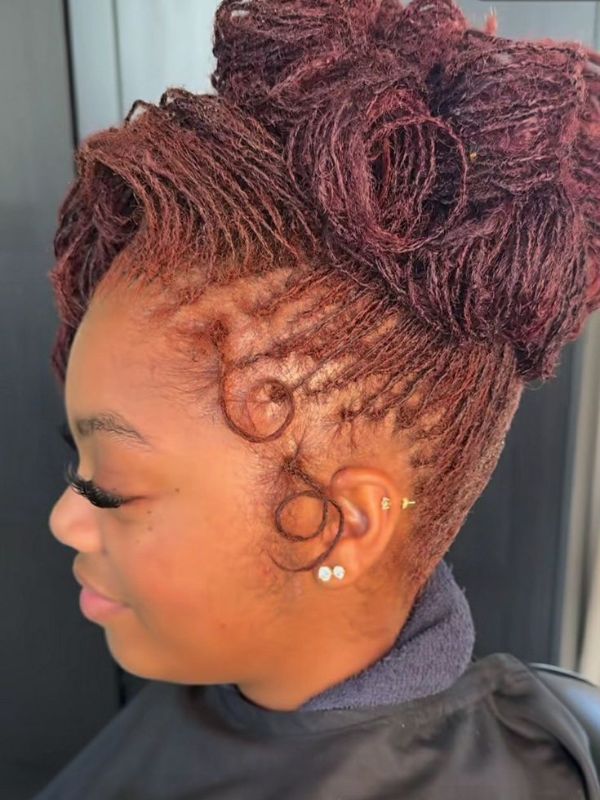
A braided updo is a beautiful choice when you want a hairstyle with more detail and structure.
Rather than allowing the locs to hang freely, sections are arranged into braid-like patterns and gathered into an updo. The finished style can look intricate without needing extensions or additional hair.
There are different ways to approach this look. You can braid sections along the sides and bring them together at the back, create a central arrangement, or incorporate the braids into a bun.
The appeal comes from the contrast between the individual locs and the larger braided arrangement. It gives the hairstyle more dimension and makes the overall shape stand out.
This is particularly suitable for weddings, formal dinners, graduations, celebrations, and other occasions when you want something more elaborate than your usual everyday style.
Longer Sisterlocks generally provide more flexibility because there is additional length to work with. However, medium-length locs may also be arranged into smaller braided updos depending on their maturity and density.
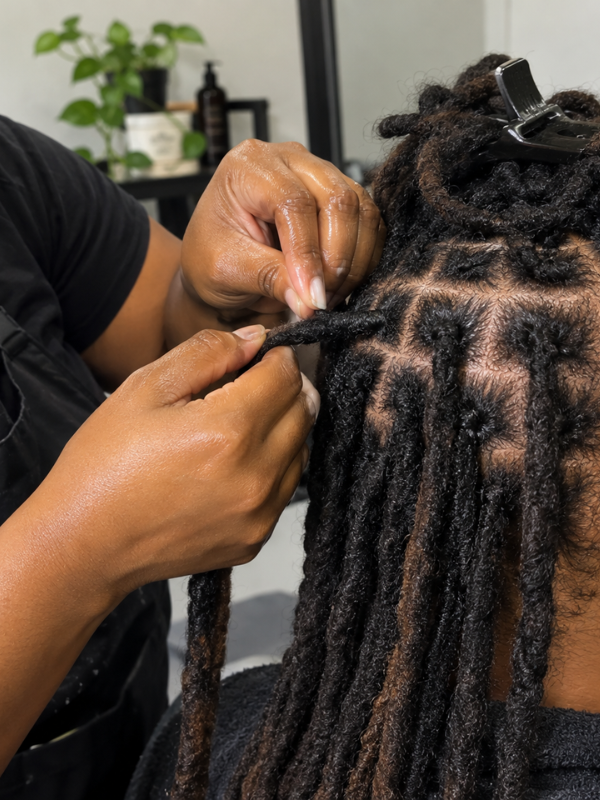
If you are trying this hairstyle for the first time, it is worth having a loctician demonstrate the technique. Braiding several small locs together requires care, especially around the roots.
You also need to consider how long you intend to keep the style. Leaving sections together without separating the individual locs properly can create tangling or joining.
Styling tip: Make sure the arrangement is not too tight, and separate the individual locs carefully when taking the hairstyle down.
14. Sisterlocks Crown Updo
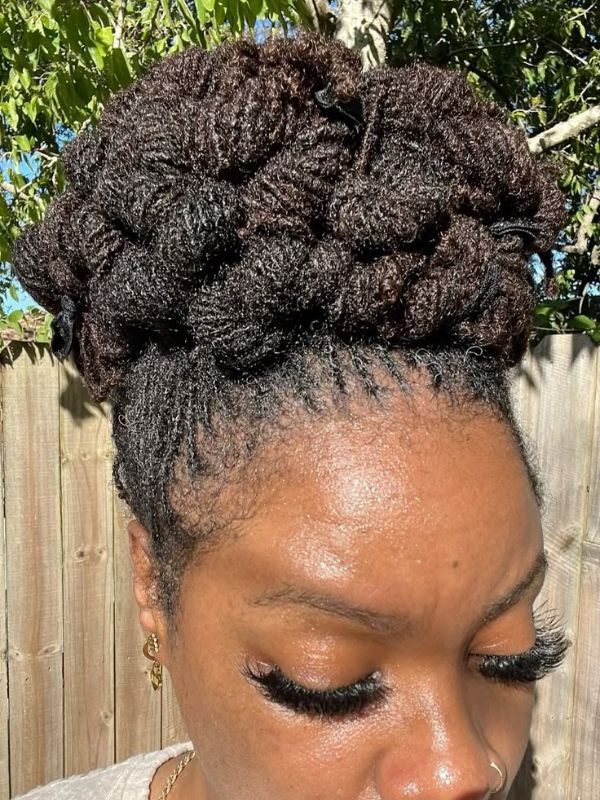
If you want a hairstyle that feels elegant and makes your locs the centre of attention, a crown updo is worth considering.
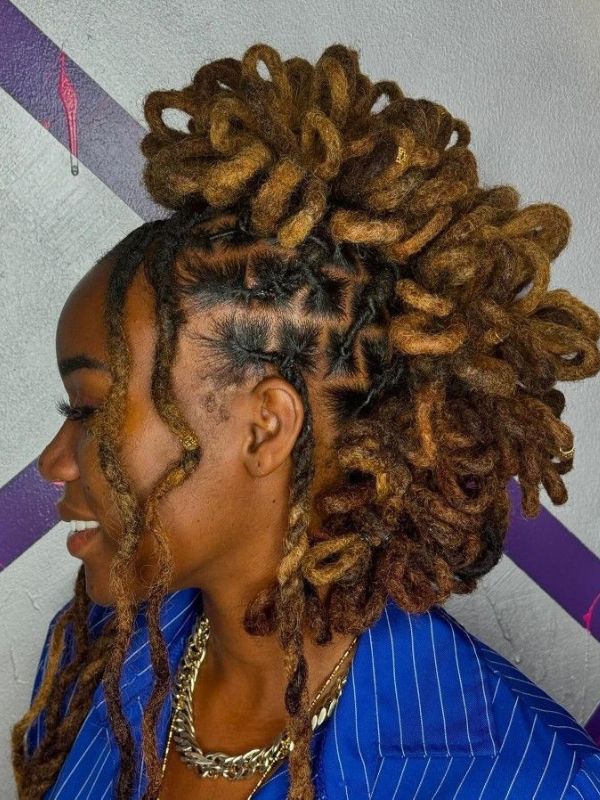
This style involves arranging the Sisterlocks around the upper part of the head to create an elevated shape. Depending on the technique, the locs may be wrapped, pinned, or gathered into a crown-like arrangement.
The finished hairstyle can look quite dramatic, particularly when the locs are long enough to create a fuller shape.
One reason this style works well for formal occasions is that it gives the hair a defined silhouette. Rather than allowing the locs to fall over your shoulders, the arrangement brings them upward and creates a beautiful frame around your face.
It is a lovely option for brides, wedding guests, graduation ceremonies, church celebrations, and formal dinners.
You can keep the crown arrangement relatively simple or incorporate smaller twisted or braided sections for additional detail.
The hairstyle can also work with different outfits. It looks beautiful with dresses that have detailed necklines because the hair is kept away from the shoulders.
However, an elaborate updo should still feel comfortable. Long locs can carry considerable weight when arranged around the crown, so the placement and support matter.
Styling tip: Have a professional help with the arrangement if your locs are particularly long or heavy. Use appropriate pins and avoid placing them through the locs themselves.
15. Sisterlocks With a Headband
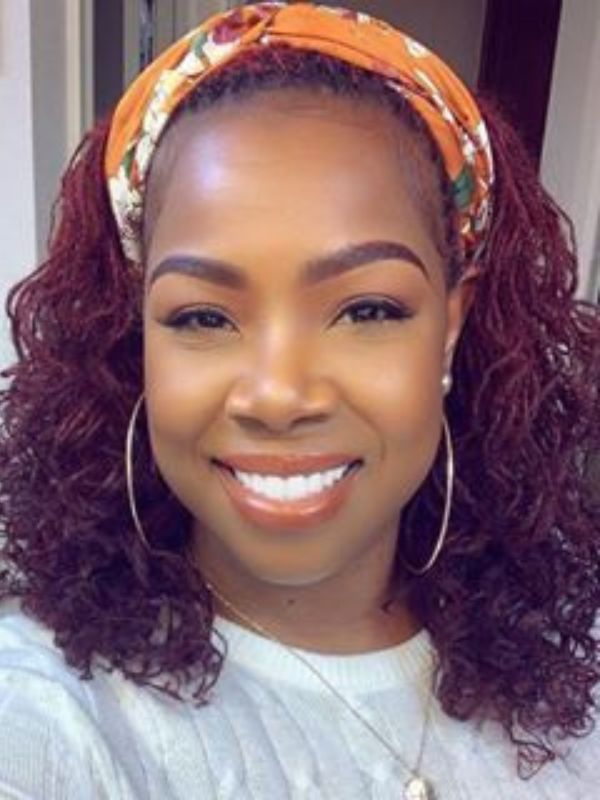
Not every beautiful hairstyle needs an elaborate arrangement. Sometimes, the easiest way to change the appearance of your Sisterlocks is to add a simple accessory.
A headband is one of those accessories that can make loose locs look more intentional without requiring much styling.
You can wear a headband with your Sisterlocks falling naturally around your shoulders, or use it to keep the front sections away from your face.
There are different ways to approach the look depending on the accessory. A narrow headband gives a subtle finish, while a wider fabric band creates a more noticeable statement.
Colour also makes a difference. Neutral shades such as black, brown, cream, and beige can complement everyday outfits, while brighter colours and patterned designs add personality.
This is particularly useful when you want to dress up your everyday hairstyle without spending too much time arranging your locs.
You can wear the look to work, shopping, casual outings, brunch, and even informal celebrations.
If you prefer a more feminine appearance, try a simple headband with your Sisterlocks swept slightly backward. You can also choose a decorative accessory that complements your earrings or outfit.
The main thing to consider is the material. Some accessories have rough edges, small teeth, or decorative details that can catch on individual locs.
Styling tip: Choose smooth, comfortable headbands that do not snag your hair. Avoid accessories that create too much pressure around your temples.
16. Sisterlocks French Roll Updo
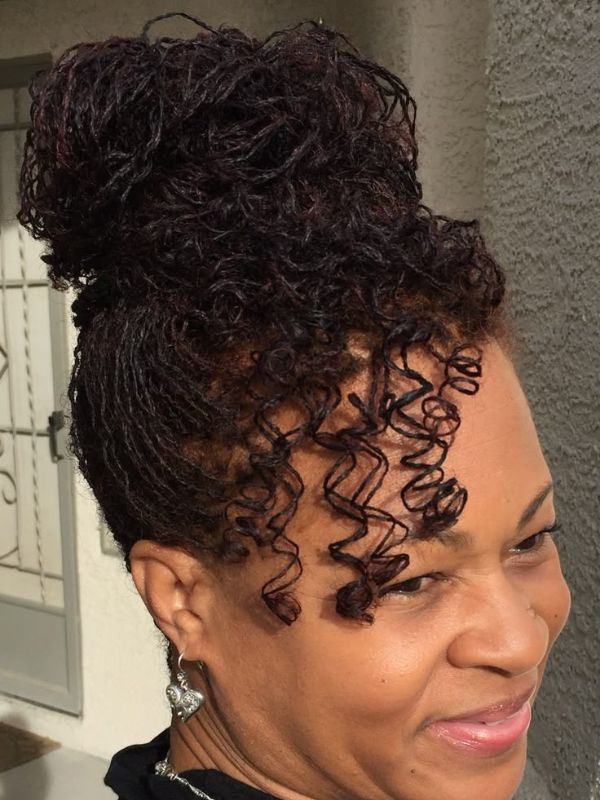
A French roll is a classic updo that creates a neat, elongated shape at the back of the head. When adapted for Sisterlocks, it offers a sophisticated way to arrange longer locs for special occasions.
The basic idea is to gather the hair toward the back, fold or roll the length upward, and secure the arrangement so the ends are tucked neatly into the style.
With Sisterlocks, the finished appearance may be more textured than a traditional smooth French roll because the individual locs remain visible.
That texture is part of the appeal. It creates an elegant updo while allowing the natural structure of the locs to show.
This hairstyle is particularly attractive for weddings, formal dinners, professional events, and celebrations where you want something polished.
It also works well with outfits that have detailed necklines or open backs because the hair is kept away from the shoulders.
Longer Sisterlocks generally provide more room for the folded arrangement. Medium-length locs may also work with a smaller variation, depending on the amount of hair available.
The style can take a little practice to arrange neatly, so it may be worth visiting a loctician if you want it for an important event.
Styling tip: Use suitable hairpins to hold the folded sections in place. Do not force the locs into a tight roll, and avoid inserting sharp pins through the locs.
17. Sisterlocks With a Side Bun
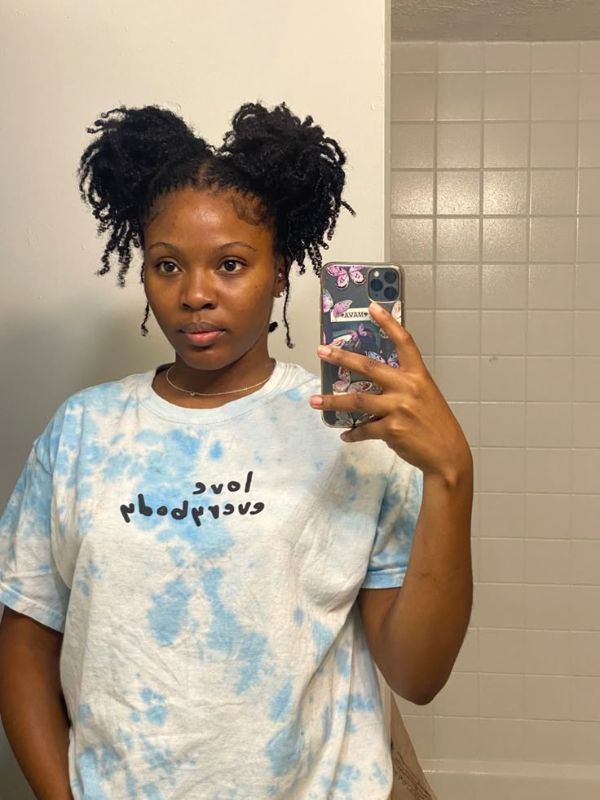
A side bun offers something slightly different from the traditional high or low bun. Instead of placing the gathered hair directly at the centre, you arrange the locs toward one side of your head.
This creates an asymmetrical shape that feels elegant without being overly complicated.
You can position the bun closer to the nape, just behind one ear, or slightly higher depending on your preference and loc length.
For a softer appearance, allow a few locs to fall naturally around the front. If you prefer a cleaner finish, gather the entire style toward one side.
The beauty of this hairstyle is how it draws attention to the shape of the bun. It also creates a lovely balance with outfits that have one-shoulder or off-shoulder designs.
For example, if you are attending a birthday dinner in an elegant dress, a side bun can make your overall appearance feel more polished without requiring elaborate accessories.
Longer Sisterlocks provide more flexibility when creating the bun, but shorter locs can still work with a smaller arrangement.
Just like other updos, comfort matters. Gathering the locs toward one side can place more weight on one area, so make sure the arrangement is not pulling.
Styling tip: Distribute the locs evenly before securing the bun. If the hairstyle feels heavier on one side, loosen the arrangement or try a different placement.
18. Sisterlocks With a Scarf
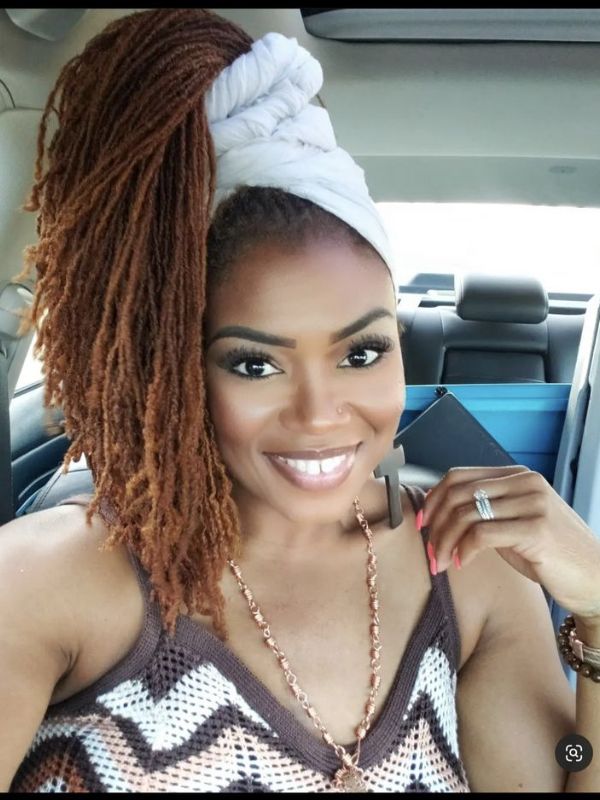
A scarf is one of the easiest accessories to use when you want to give your Sisterlocks a different appearance.
It can add colour, introduce a pattern, or make a simple loose hairstyle feel more thoughtfully styled.
There are several ways to incorporate a scarf. You can wrap it around the crown like a headband, tie it at the back, or use it to cover part of the head while allowing the remaining locs to fall freely.
A scarf can also be used with a bun or ponytail. For example, you might gather your locs into a low bun and wrap a colourful scarf around the base to add detail.
The choice of fabric and print will influence the overall look. A neutral satin scarf gives a more understated appearance, while a bold patterned scarf can become the main feature of your hairstyle.
This style is particularly useful on days when you want to keep your hair away from your face or give your usual hairstyle a quick refresh.
You can wear it while running errands, travelling, relaxing at home, or going out with friends.
A scarf is also a practical accessory to keep in your wardrobe because it allows you to create several looks without changing the actual arrangement of your locs.
When choosing one, pay attention to the fabric. Smooth satin or silk fabrics are preferable to rough materials that can catch on your locs.
Styling tip: Tie the scarf comfortably rather than pulling it tightly around your head. Make sure the fabric does not rub repeatedly against your edges.
How to Choose the Right Sisterlocks Hairstyle for Your Hair Length
One thing worth remembering when saving hairstyle inspiration is that the length of your locs affects what you can comfortably recreate.
If you are still at the beginning of your loc journey, understanding how your hair develops can help you make better styling decisions. My guide to starter locs and how to care for them explains the different stages of loc development and what to expect as your hair matures.
A hairstyle may look beautiful in a photograph, but if your Sisterlocks are shorter, you might not have enough length to create the same bun or updo. That does not mean the style is completely unavailable to you. Sometimes, you simply need a smaller variation.
Short Sisterlocks Hairstyles
Short Sisterlocks have their own appeal. They can create a neat shape around the face and are often easier to wear loose without worrying about the weight of a large updo.
If your locs are still relatively short, consider styles such as:
- A side-parted Sisterlocks bob.
- A middle part with the locs falling naturally.
- A decorative headband.
- Small Bantu knots.
- A simple half-up arrangement, if the length allows.
The main thing is to work with the shape your locs naturally create. You do not need to force them into a high ponytail or large bun before they have enough length.
You can also experiment with accessories to make simple styles feel different. A headband, for example, can change the overall appearance without requiring you to manipulate the roots excessively.
Medium-Length Sisterlocks Hairstyles
Medium-length locs offer more opportunities to experiment because they have enough length for several gathered styles while still being relatively easy to manage.
Some lovely options include half-up half-down hairstyles, low buns, side-swept arrangements, two-strand twists, and smaller ponytails.
You may also be able to create a small braided updo or space buns, depending on the length and density of your hair.
If you are not sure which styles suit your locs, start with simple arrangements. A half-up hairstyle is a good way to see how much of your hair you can comfortably gather without putting too much tension on the roots.
Long Sisterlocks Hairstyles
Long Sisterlocks offer more flexibility when it comes to intricate arrangements. You have additional length to work with, which can make it easier to create full buns, elaborate updos, and longer ponytails.
Some styles to consider include high buns, French rolls, braided updos, crown updos, and curled ends.
However, longer locs can also carry more weight. A high bun or large updo may feel heavier than you expect, particularly if all your locs are gathered into one place.
Pay attention to how the hairstyle feels after securing it. If you notice pulling around your hairline, crown, or nape, adjust the arrangement rather than trying to tolerate the discomfort.
Your goal should be to enjoy the styling possibilities that come with longer locs without putting unnecessary stress on your scalp.
How to Style Sisterlocks Without Causing Unnecessary Tension
Beautiful hairstyles should not come at the expense of your scalp or the condition of your locs.
Although Sisterlocks are versatile, the way you arrange them still matters. Repeatedly wearing tight ponytails, pulling the roots into elaborate updos, or using accessories that catch on the locs can create avoidable problems.
Here are a few things to keep in mind when styling.
Avoid excessively tight hairstyles. A bun or ponytail should feel secure, not painful. If you experience pulling around your temples, hairline, or crown, loosen the style.
Give your roots a break. You do not need to wear a high ponytail or tightly gathered updo every day. Rotate between loose styles and comfortable arrangements to avoid repeatedly placing stress on the same areas.
Be gentle when separating your locs. If you have temporarily twisted or braided sections together, take your time when removing the style. Pulling individual locs apart can cause unnecessary friction or damage.
Choose suitable accessories. Hair ties, clips, and pins should not snag, cut into, or pierce your locs. Smooth accessories are generally a better choice.
Consider loc maturity. Newly installed Sisterlocks may need more careful handling than mature ones. If your locs are still settling, ask your stylist which styling techniques are appropriate.
Pay attention to discomfort. A hairstyle that leaves your scalp sore is not a good hairstyle for you, even if it looks beautiful. Persistent tenderness, thinning, or breakage deserves attention rather than being treated as a normal part of styling.
The goal is to find hairstyles that make you feel confident while allowing your locs to remain comfortable and well cared for.
How to Keep Your Sisterlocks Looking Beautiful After Styling
Once you have found a hairstyle you love, you also want your locs to remain in good condition after wearing it.
This does not mean you need an elaborate maintenance routine every time you change your hairstyle. A few sensible habits can make a difference.
Protect your locs while sleeping. A satin bonnet or smooth silk scarf can help reduce friction while you sleep. You can also use a satin or silk pillowcase as an additional option.
Remove accessories carefully. Do not pull a headband, clip, or hair tie through your locs if it becomes caught. Take your time and release the accessory gently.
Keep your scalp clean. Follow the washing instructions provided by your Sisterlocks stylist. Keeping your scalp clean is important, but the appropriate washing method can depend on how mature your locs are.
Avoid unnecessary product buildup. Do not assume that your locs need heavy oils, creams, waxes, or styling products to look beautiful. Follow the product recommendations provided for your particular Sisterlocks installation.
Keep up with professional maintenance. Retightening helps maintain the structure of your Sisterlocks. The appropriate schedule should be determined by your stylist based on your hair and how your locs are developing.
Do not leave an uncomfortable style in place. If a hairstyle begins to pull, feel too heavy, or cause irritation, take it down rather than waiting for the planned styling period to end.
A little attention after styling can help you look different without neglecting the care your locs need.
If you want to establish a consistent routine beyond styling, read my guide to creating a locs maintenance routine, where I explain how to care for your scalp, keep your locs clean, and avoid common maintenance mistakes.
When Can You Start Experimenting With Different Sisterlocks Hairstyles?
If your Sisterlocks are new, you may be excited to try all the beautiful hairstyles you have been saving. However, it is worth understanding that newly installed locs and mature locs may not have the same styling flexibility.
During the early stages, your locs are still settling and developing. Their ability to hold certain styles can change as they mature, and some techniques may increase the risk of slipping, unraveling, or unnecessary manipulation.
This does not mean you must wear your hair in exactly the same way throughout the settling period. It simply means that you should be more selective about the styles you try.
Start with gentle arrangements that do not pull tightly on the roots. Ask your stylist if your locs are ready for twists, elaborate updos, curling methods, or other styles you would like to experiment with.
Newly installed Sisterlocks may need more care when it comes to styling. During the early stages, your locs are still settling, so it is best to avoid hairstyles that involve excessive pulling, tight twisting, or too much manipulation. As your locs mature, you can gradually explore more styling options. If you are unsure whether a particular hairstyle is suitable, ask your stylist for advice.
As your Sisterlocks mature, you can explore more styling options while continuing to pay attention to comfort and maintenance.
There is no need to rush the process. You will have plenty of opportunities to try different looks as your locs develop.
Frequently Asked Questions About Sisterlocks Hairstyles
1. Can you style Sisterlocks in different hairstyles?
Yes. Sisterlocks offer a range of styling possibilities. Depending on their length and maturity, you can wear them loose, create ponytails, buns, twists, braided arrangements, and updos. You can also experiment with different parts and accessories such as headbands and scarves.
The main consideration is making sure the style is suitable for your locs and does not create excessive tension.
2. What are the best Sisterlocks hairstyles for short hair?
Some lovely options for shorter Sisterlocks include side-parted bobs, middle parts, headbands, small Bantu knots, and simple half-up styles.
Shorter locs may not have enough length for elaborate buns or high ponytails, but you can still create attractive hairstyles by working with their natural shape.
3. Can you curl Sisterlocks?
Yes, Sisterlocks can be styled with curls, but the curling method matters. Roller sets and suitable heat-free methods are worth considering, particularly if you want to avoid excessive heat.
Curling irons can expose your locs to high temperatures and may permanently alter their texture. Ask your stylist about a suitable technique before trying a new curling method.
4. Are Sisterlocks suitable for elegant updos?
Yes. Their small size allows them to be arranged into different updos, including high buns, low buns, crown updos, French rolls, and braided styles.
The finished appearance will depend on your loc length, density, and maturity. Longer Sisterlocks generally offer more flexibility for elaborate arrangements.
5. Can you wear Sisterlocks in a ponytail?
Yes. A ponytail is a simple way to keep your locs away from your shoulders while showing off their length. You can position it high, in the middle, or toward the nape of the neck.
Use a suitable hair tie and avoid pulling the locs too tightly. If your Sisterlocks are short, a smaller half-up ponytail may be easier to create.
6. How do you protect Sisterlocks when sleeping?
You can protect your Sisterlocks by wearing a satin bonnet or wrapping your hair in a smooth silk scarf. A satin or silk pillowcase is another option.
These materials help reduce friction between your hair and bedding. If you have styled your locs into an updo, make sure the arrangement is comfortable enough for sleeping or remove it before bed.
7. Can you wear Sisterlocks in a bun?
Yes. Depending on their length and density, Sisterlocks can be arranged into high buns, low buns, side buns, and other variations.
Longer locs generally provide more flexibility, while shorter locs may work better with smaller buns or half-up styles. The bun should always feel comfortable rather than pulling tightly on the scalp.
8. Do Sisterlocks need special care when styled?
They still need the same thoughtful maintenance as when they are worn loose. Avoid excessive tension, remove accessories gently, protect your locs while sleeping, and follow your stylist’s recommendations for washing and retightening.
A hairstyle should change your appearance, not compromise the condition of your locs.
Final Thoughts on Beautiful Sisterlocks Hairstyles
You do not have to wear your Sisterlocks the same way every day. Sometimes, a simple middle part is all you need, while other occasions call for a beautiful high bun, braided updo, or curled style.
The lovely thing about having different styling options is that you can choose what suits your mood, outfit, loc length, and lifestyle. You might prefer a simple side-swept look during the week and save a more elaborate updo for a wedding or special celebration.
As you experiment, remember that the most beautiful hairstyle is one that makes you feel comfortable and confident while allowing your locs to remain healthy.
Save the styles that catch your eye, discuss unfamiliar techniques with your Sisterlocks stylist, and do not be afraid to try a different arrangement when you feel like refreshing your look. Your Sisterlocks can be part of many beautiful hairstyles, and you do not have to limit yourself to just one.
One Comment