Doing your makeup in the morning only to see it fading, creasing, getting oily, or disappearing by midday can be frustrating. Whether you have a long workday, an event to attend, or simply want your makeup to stay fresh for longer, a few changes to your routine can make a noticeable difference. Learning how to make your makeup last all day starts with preparing your skin properly, choosing the right products, applying them in thin layers, and setting everything correctly.
You do not necessarily need a huge collection of makeup products to get longer-lasting results. In many cases, the way you prepare your skin and apply the products you already have matters just as much as the products themselves. Here are practical ways to help your makeup stay fresh and comfortable throughout the day.
How to Make Your Makeup Last All Day
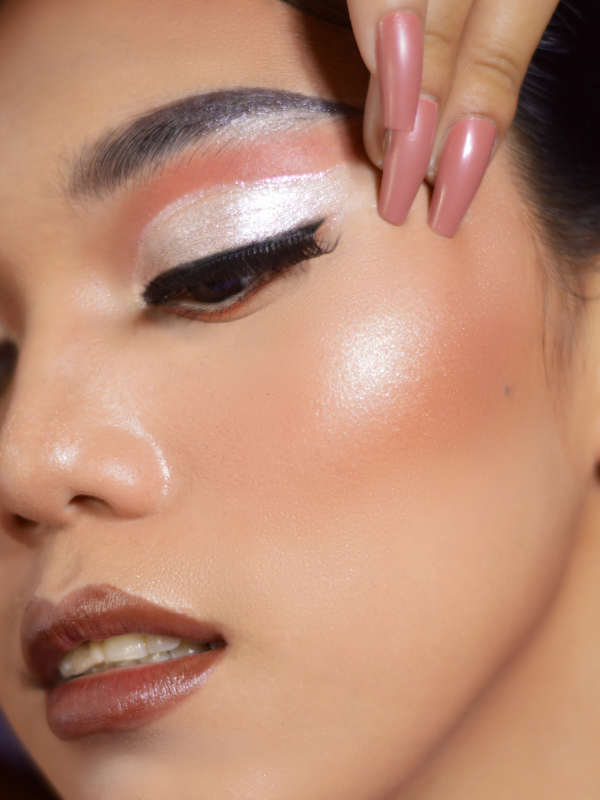
If your makeup tends to disappear after a few hours, focus on these steps before adding more products to your routine. Long-lasting makeup is usually the result of good preparation and controlled application rather than simply using more foundation or powder.
1. Start With Clean, Well-Moisturized Skin
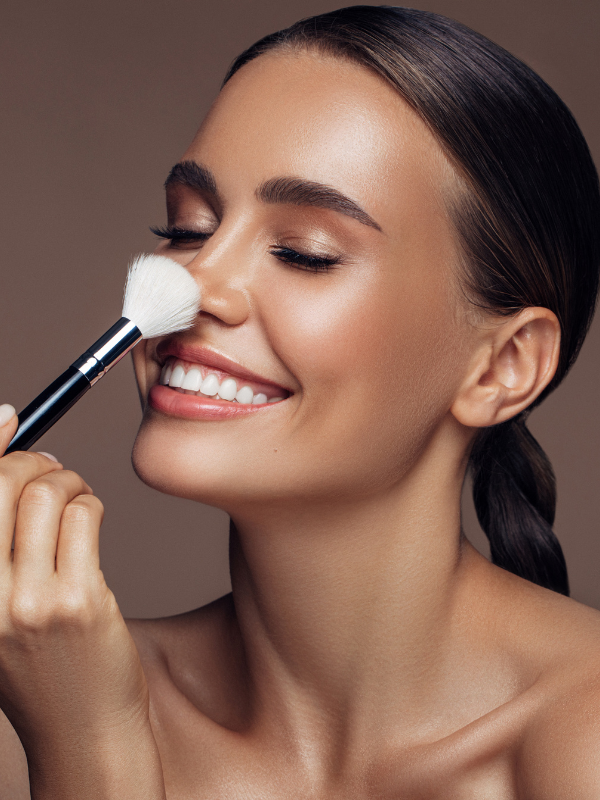
Good makeup starts with properly prepared skin. If your skin has excess oil, sweat, or leftover skincare sitting on the surface, your makeup may not adhere evenly. On the other hand, applying makeup to very dry skin can make foundation cling to flaky areas and look uneven.
Start by cleansing your face with a gentle cleanser that suits your skin. Follow with your usual skincare products and finish with a moisturizer appropriate for your skin type.
If you have oily skin, you do not need to skip moisturizer. Instead, choose a lightweight, non-greasy formula. If your skin is dry, a more nourishing moisturizer can help create a smoother surface for foundation.
Give your skincare a few minutes to settle before starting your makeup. Applying foundation immediately while your skincare is still sitting heavily on the skin can sometimes contribute to slipping or separation.
2. Use a Primer That Matches Your Skin Type
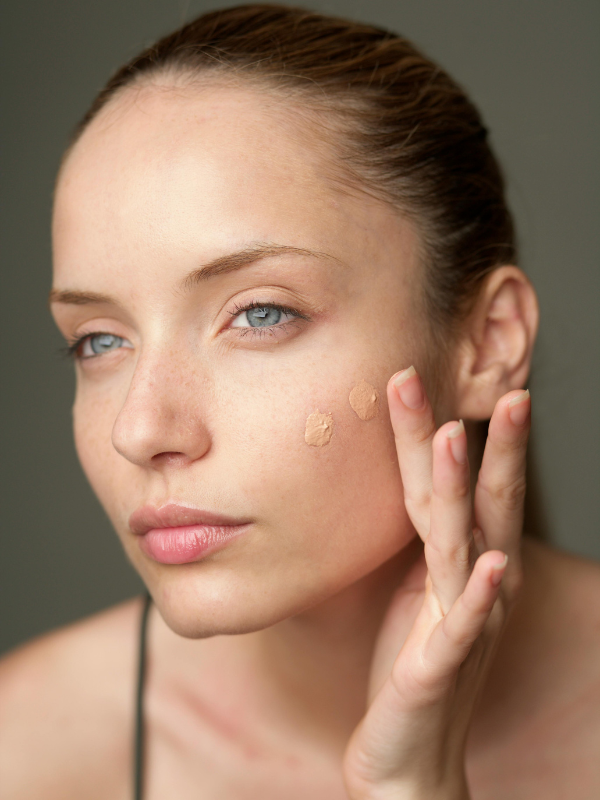
Primer can help create a better surface for makeup and can be especially useful when you are trying to extend wear.
The best primer depends on what your skin needs. If your face becomes oily quickly, a mattifying primer can help reduce the appearance of excess shine. If your skin tends to feel dry or tight, a hydrating primer may be more comfortable.
You also do not have to apply primer heavily across your entire face. If your cheeks are normal or dry but your forehead and nose become oily, you can concentrate a mattifying primer on those areas.
Allow the primer to settle briefly before applying foundation. Using too much can have the opposite effect and may cause products to pill or move around.
3. Apply Thin Layers of Foundation
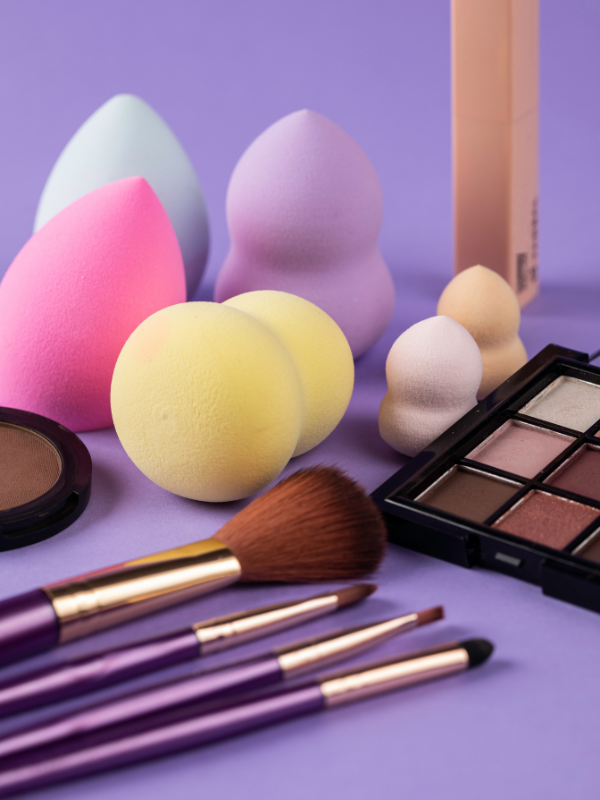
One of the easiest ways to make your makeup wear better is to avoid applying too much foundation at once.
It can be tempting to use a thick layer when you want full coverage, but excess product can become more noticeable as the day goes on. It may crease, separate, or settle into fine lines.
Instead, start with a small amount of foundation and spread it evenly across the face. Build additional coverage only where you actually need it, such as around blemishes or areas with uneven skin tone.
A damp makeup sponge can give you a softer finish, while a foundation brush can provide more coverage. Whichever tool you use, blend carefully around the nose, jawline, hairline, and other areas where makeup can collect.
4. Choose Long-Wearing Makeup Products
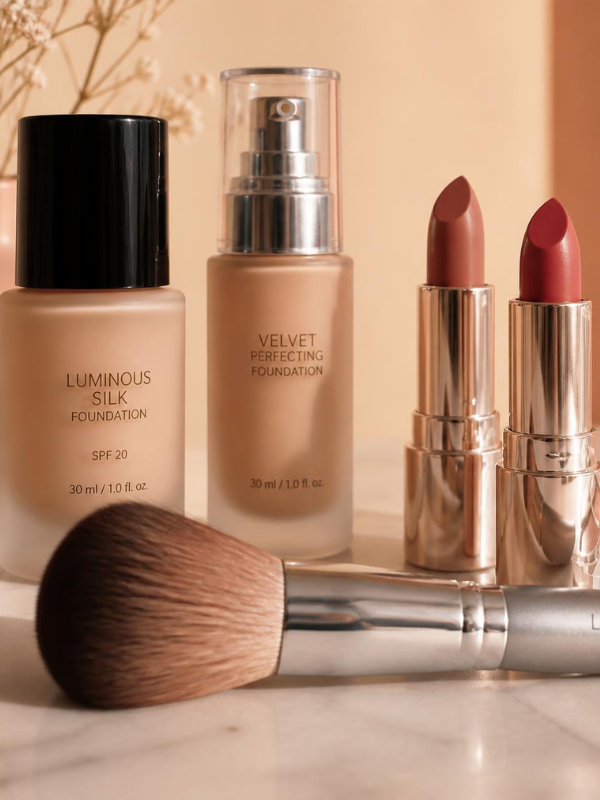
The formula of your makeup can make a big difference in how long it stays in place.
If you know you will be wearing makeup for many hours, look for products described as long-wearing, transfer-resistant, or suitable for extended wear. A long-wearing foundation can be helpful for the base, while a durable concealer can reduce the need for repeated touch-ups.
For the eyes, long-wearing eyeliner and waterproof mascara can help if your makeup tends to smudge. For the lips, lip stains or longer-wearing lipsticks may require fewer applications throughout the day.
You do not need every product in your routine to be marketed as long-wearing. Focus on the areas where your makeup usually fades first.
5. Set Cream Products With Powder
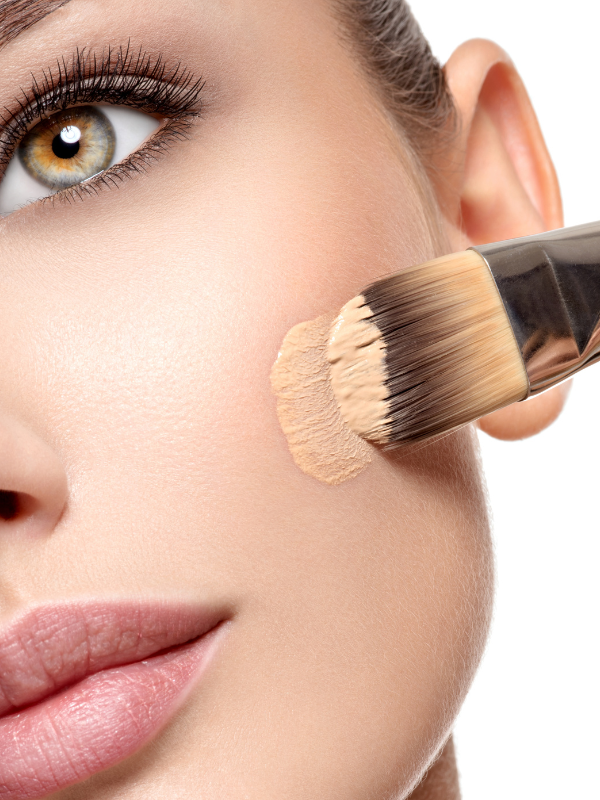
Powder can help reduce excess shine and set liquid or cream products so they move around less.
After applying foundation and concealer, use a small amount of setting powder where you need it most. The under-eye area, sides of the nose, forehead, and chin are common areas where makeup may crease or become oily.
Be careful not to apply too much powder. A heavy layer can make your makeup look dry, cakey, or overly matte, especially if you have dry skin.
For a more natural finish, use a fluffy brush to lightly press or sweep powder over the areas that need setting rather than covering your entire face with a thick layer.
6. Give Extra Attention to the T-Zone
The T-zone, which includes the forehead, nose, and chin, can become oily faster than the rest of the face. When excess oil mixes with foundation, makeup can start to break down.
If this is a problem for you, concentrate your oil-control products on these areas instead of applying heavy layers everywhere.
A light layer of setting powder can help control shine after foundation. During the day, blotting papers or a clean tissue can also remove excess oil without adding another thick layer of makeup.
7. Make Your Eye Makeup Last Longer
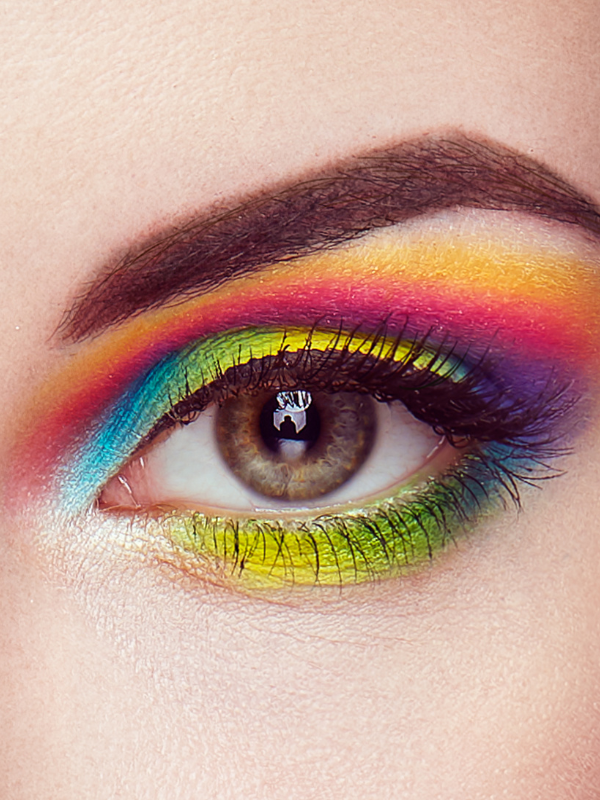
Eye makeup can fade, crease, or smudge faster than the rest of your makeup, particularly if your eyelids become oily.
Start with a clean, dry eye area. If your eyelids are particularly oily, an eye primer can provide a better base for eyeshadow.
Apply eyeshadow in thin layers and blend as you go. If you are using several shades, building the color gradually can help prevent a thick layer of product from settling into the creases.
For eyeliner that tends to transfer onto the upper or lower eyelid, consider a long-wearing or waterproof formula. Waterproof mascara can also be useful if your regular mascara tends to smudge throughout the day.
8. Use a Long-Lasting Lip Routine
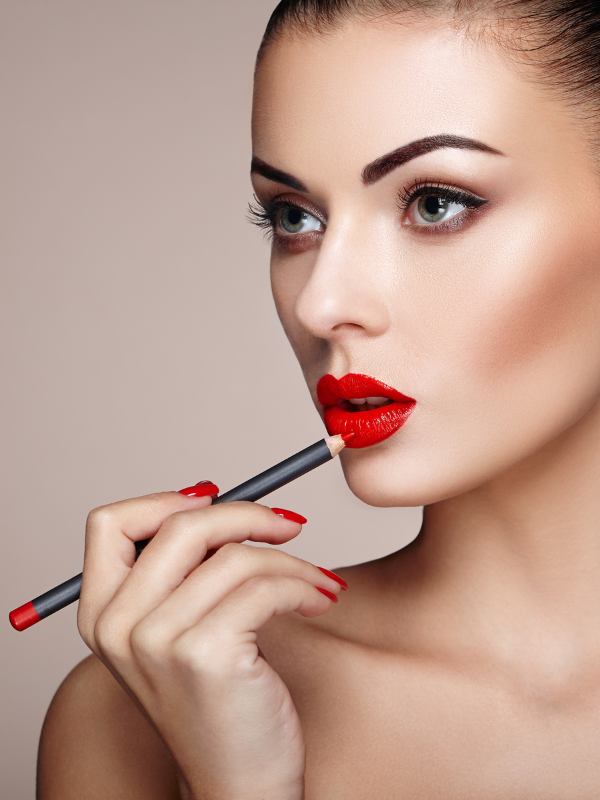
Your lips naturally lose makeup faster because you eat, drink, talk, and touch your mouth throughout the day.
Start by making sure your lips are comfortable and not excessively dry or flaky. A small amount of lip balm can help, but allow it to absorb before applying lipstick.
Lip liner can help create a defined base and may also help prevent lipstick from spreading outside the lip line. Apply your lipstick evenly, then gently blot if needed.
If you want your lip color to survive meals and drinks better, consider using a lip stain or long-wearing lipstick. Even with long-lasting formulas, however, some touch-up will usually be necessary after eating.
9. Finish With Setting Spray
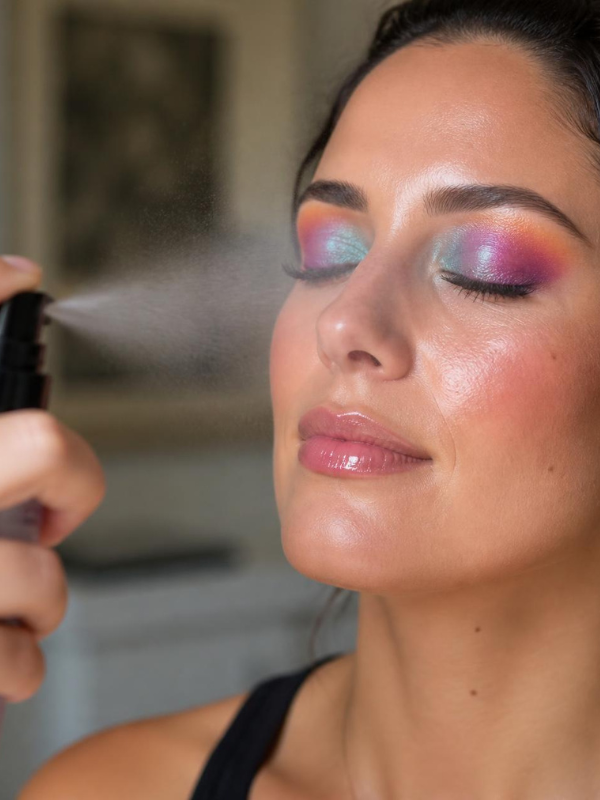
Setting spray can be a useful final step when you want your makeup to stay in place for longer.
After completing your makeup, hold the spray at the recommended distance from your face and mist it evenly. Allow it to dry naturally instead of immediately touching your skin.
Setting spray can also help reduce the overly powdery appearance that sometimes happens after layering several products.
Keep in mind that setting spray and primer have different purposes. Primer is generally used before makeup to prepare the skin, while setting spray is used toward the end of the routine.
Mistakes That Can Make Your Makeup Wear Off Faster
Sometimes the problem is not the makeup itself but the way it is being applied. A few common habits can cause your makeup to break down sooner.
Applying Makeup Before Skincare Has Settled
If moisturizer, sunscreen, or other skincare products are still wet or slippery when you apply foundation, your makeup may have difficulty staying in place.
Give your skincare enough time to absorb before moving on to makeup.
Applying Too Much Foundation
More foundation does not always mean better coverage. Heavy layers can separate and become cakey as your natural oils and movement affect the makeup throughout the day.
Use a lighter layer and build coverage only where needed.
Skipping Primer When You Need It
Not everyone needs primer, but it can be useful when you have a specific concern such as excess oil, dryness, or visible texture.
Choosing a primer based on your skin’s needs can make your makeup routine more comfortable and consistent.
Using Too Much Powder
Powder is helpful for setting makeup, but applying too much can leave the skin looking dry and textured. It can also make touch-ups more noticeable later.
Use powder strategically instead of automatically applying a heavy layer everywhere.
Using Products That Do Not Work Well Together
Sometimes products can cause makeup to pill, separate, or slide because their formulas do not work well together.
If your foundation consistently breaks apart after applying a particular primer or skincare product, try changing one product at a time. This can help you identify what is causing the problem.
Constantly Touching Your Face
Touching your face throughout the day can transfer makeup onto your hands and gradually remove it from your skin.
Try to avoid rubbing your forehead, cheeks, or nose unnecessarily, especially if you are trying to keep your makeup intact.
How to Make Makeup Last All Day on Different Skin Types
Your skin type can influence which products and techniques work best for you.
For Oily Skin
If you have oily skin, focus on controlling excess oil without completely stripping moisture from your skin.
Start with a lightweight moisturizer and consider using an oil-control or mattifying primer on areas that become shiny. Choose a foundation with a finish and formula that feels comfortable on your skin, then lightly set the areas prone to oiliness with powder.
During the day, blot excess oil before applying additional powder. This prevents layers of powder from building up and making your makeup look heavy.
For Dry Skin
Dry skin often needs more attention to hydration before makeup.
Use a suitable moisturizer and allow it to settle before applying your makeup. Hydrating primers and comfortable foundation formulas can help prevent the base from emphasizing dry patches.
Use powder sparingly, especially on areas that are already dry. If you need to set your under-eyes or T-zone, use only a small amount.
For Combination Skin
Combination skin often requires a more targeted approach.
You may find that your T-zone needs oil control while your cheeks need more hydration. Instead of treating your entire face the same way, use products according to what each area needs.
For example, you might use a mattifying primer around the nose and forehead while using a more hydrating product on the cheeks.
How to Keep Your Makeup Looking Fresh Throughout the Day
Even well-applied makeup may need a little maintenance after several hours. The goal is to refresh your makeup without starting over.
If your skin becomes oily, use blotting papers or a clean tissue to gently remove excess oil. Press rather than rubbing the skin.
If a small area of foundation has faded, apply a tiny amount of concealer or foundation only to that spot. Avoid adding another full layer across your face.
For your lips, keep your lipstick or lip product nearby for quick touch-ups, especially after eating or drinking.
You can also carry a compact mirror so you can check your makeup when necessary instead of repeatedly touching your face throughout the day.
How Long Should Makeup Last?
There is no exact number of hours that makeup should look completely unchanged.
Your skin type, weather, humidity, sweating, skincare routine, makeup formulas, and daily activities can all affect how your makeup wears.
If you are spending time outdoors in hot or humid weather, for example, your makeup may naturally require more maintenance than it would in a cool indoor environment.
The goal is not necessarily to make your face look exactly the same from morning until bedtime. Instead, focus on creating a base that wears gracefully and requires only small touch-ups when needed.
FAQ
How can I make my makeup last all day?
Start with clean, moisturized skin and use a primer that suits your skin type. Apply foundation and concealer in thin layers, set areas that tend to crease or become oily, and finish with a suitable setting spray. Avoid touching your face frequently and use blotting papers for excess oil during the day.
Why does my makeup disappear after a few hours?
Makeup can disappear because of excess oil, sweat, friction, skincare that has not settled, heavy product application, or formulas that do not suit your skin type. Identifying where your makeup fades first can help you adjust your routine.
Does primer make makeup last longer?
Primer can help makeup last longer by creating a more suitable surface for application, but the results depend on the formula and your skin type. An oily skin primer may help with shine, while a hydrating primer can be more comfortable for dry skin.
Should I use powder or setting spray?
They can serve different purposes, so you may use either one or both. Powder can help set cream and liquid products and control shine, while setting spray is applied at the end of makeup to help finish and prolong the look.
How do I make makeup last all day in hot weather?
Use lightweight layers, choose long-wearing formulas, control excess oil strategically, and avoid applying too much makeup. Waterproof eye products can also help reduce smudging. Blot excess sweat or oil instead of repeatedly rubbing your face.
How do I stop my makeup from getting cakey?
Start with well-moisturized skin, apply thin layers, and avoid using too much powder. If you need more coverage, build it gradually rather than applying a thick layer of foundation at once.
Making your makeup last all day is less about covering your face with more products and more about using the right techniques. Proper skin preparation, a suitable primer, thin layers of foundation, strategic powder, long-wearing formulas, and setting spray can all help improve the staying power of your makeup.
You also do not have to follow every step perfectly. Start by paying attention to the areas where your makeup usually fades or becomes oily, then adjust your routine from there. With a little practice, you can create a makeup routine that stays fresh for longer while still looking natural and comfortable throughout your day.
This Post Showed You How to Make Your Makeup Last All Day
You may also like:


One Comment