There is nothing more frustrating than spending time on your makeup only to look in the mirror and notice that your foundation looks thick, dry, patchy, or heavy. Instead of giving you that smooth, natural-looking finish, your makeup seems to sit on top of your skin. This is what many people mean when they talk about cakey makeup.
The good news is that you do not always need a different foundation to fix the problem. Cakey makeup can happen because of how you prepare your skin, how much product you use, the type of products you layer, or even the way you apply your foundation.
A few simple changes can make a big difference. From properly moisturizing your skin to using less foundation and being careful with powder, here is how to prevent your makeup from looking cakey and keep your base looking fresh and smooth.
What Does Cakey Makeup Look Like?
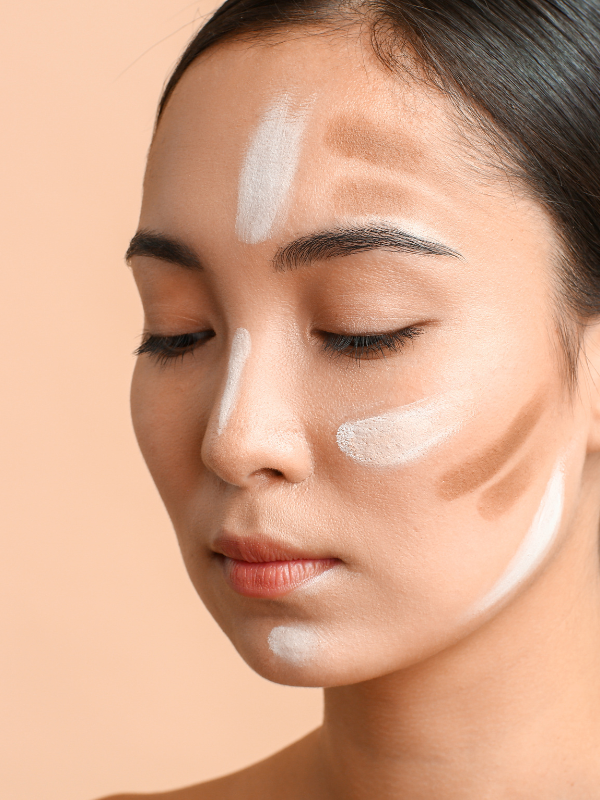
Cakey makeup usually has a thick or overly made-up appearance. Instead of blending naturally into the skin, the products can look like they are sitting on top of it.
Sometimes the problem is obvious immediately after applying your makeup. Other times, your makeup may look fine at first but become cakey after a few hours.
Some common signs include:
- Foundation looks thick or heavy on the skin
- Makeup settles into fine lines
- Dry patches become more noticeable
- Foundation looks patchy around the nose or cheeks
- Powder is very visible on the skin
- Makeup starts separating throughout the day
- Your skin looks flat instead of fresh and natural
- Fine lines appear more noticeable after applying concealer
Cakey makeup can happen with almost any type of foundation. Even an expensive product can look heavy when too much is applied or when it is layered over poorly prepared skin.
What Causes Cakey Makeup?
Before trying to fix cakey makeup, it helps to understand why it happens in the first place.
Applying Too Much Foundation
One of the most common causes is simply using too much foundation. It can be tempting to apply a thick layer when you want full coverage, but adding more product does not always give you a better finish.
When there is too much foundation on the skin, it can settle into fine lines, collect around dry patches, and become more noticeable as the day goes on.
Start with a small amount and build the coverage gradually. You can always add more, but removing excess foundation without disturbing the rest of your makeup is much harder.
Skipping Skin Preparation
Your makeup sits on your skin, so the condition of your skin can have a big effect on how your foundation looks.
If your skin is dry, flaky, or covered with excess oil and buildup, foundation may not apply evenly. Properly preparing your skin gives your makeup a smoother surface to work with.
Using Too Many Products
Sometimes cakey makeup is not caused by one particular product. It is the result of several layers building up.
For example, you might use moisturizer, primer, foundation, concealer, cream blush, cream bronzer, powder, powder blush, bronzer, and setting powder. Each product may look fine on its own, but together they can create a heavy base.
You do not need to use every product available to create beautiful makeup. A few well-applied products can often give you a much fresher finish.
Choosing the Wrong Foundation Formula
Your foundation should work with your skin type and the finish you want.
Very matte foundations can sometimes emphasize dryness, especially when applied heavily to already dry skin. On the other hand, a very rich or dewy foundation may feel too heavy if your skin becomes oily quickly.
This does not mean that people with dry skin can never wear matte foundation or people with oily skin cannot wear a radiant formula. It simply means you may need to adjust your skin preparation and application technique.
Applying Too Much Powder
Powder is useful for setting makeup and controlling shine, but too much can make your face look dry and heavy.
Applying several layers of powder over foundation can also make your makeup look more obvious, especially around the nose, under the eyes, and near fine lines.
How to Prevent Makeup From Looking Cakey
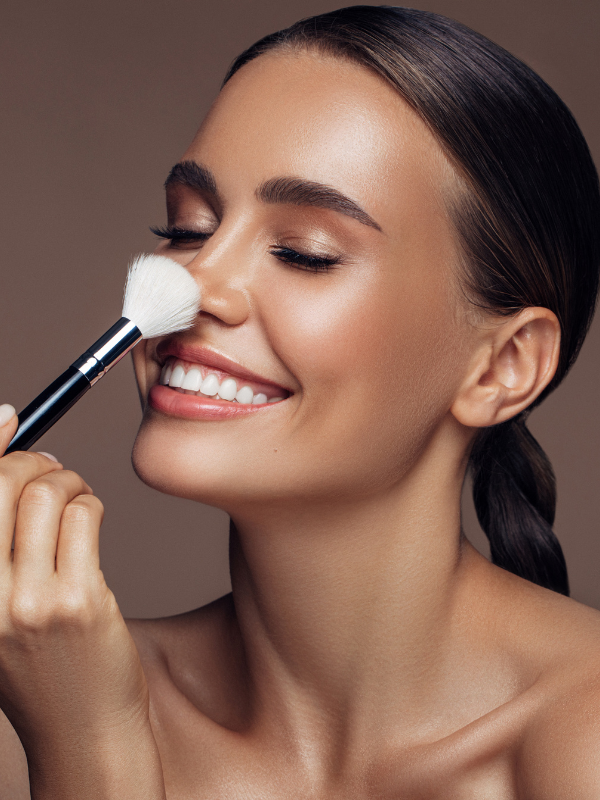
Now that you know some of the common causes, let’s get into the practical steps you can use to create a smoother base.
Start With Clean, Well-Prepared Skin
Before applying makeup, start with clean skin. Remove excess oil, sweat, and leftover skincare products so you have a fresh base.
You do not need to scrub your skin aggressively. A gentle cleansing routine is usually enough to remove buildup without leaving your skin feeling uncomfortable or stripped.
After cleansing, follow with the skincare products your skin normally needs. Give each layer a little time to settle before moving on to makeup.
A clean and properly prepared base can make your foundation easier to blend and help prevent uneven patches.
Moisturize Before Applying Makeup
Moisturizer is especially important if your skin tends to feel dry or tight.
When the skin is lacking moisture, foundation can cling to dry areas and make flakiness more noticeable. Applying moisturizer before makeup can help create a more comfortable, smoother-looking base.
However, you do not need to apply a huge amount. A thin, even layer is usually enough. Give it time to absorb before moving on to primer or foundation.
If your skin is oily, you can still moisturize. Look for a lightweight formula that feels comfortable on your skin rather than skipping moisturizer completely.
Use Primer Only Where You Need It
Primer can be helpful, but you do not necessarily need to cover your entire face with a thick layer.
If certain areas of your face become dry, a hydrating primer may help. If you struggle with excess oil, you may prefer an oil-control primer on those areas. A smoothing primer can also be useful where you want makeup to look more even.
The key is moderation.
Applying a thick layer of primer on top of several skincare products can actually contribute to product buildup. Use enough to do the job without making your skin feel coated.
Choose the Right Foundation Formula
Think about your skin type, the climate you live in, and the finish you prefer when choosing a foundation.
If your skin is dry, you may find that a more hydrating or natural-finish foundation looks more comfortable. If your skin is oily, a long-wearing or oil-controlling formula may work better.
You should also consider how much coverage you actually need. A medium-coverage foundation may be easier to build naturally than applying a very full-coverage product all over your face.
The goal is not necessarily to find the most full-coverage foundation. It is to find one that gives you the coverage you want without requiring a thick layer.
Apply a Thin Layer of Foundation
This is one of the easiest ways to prevent cakey makeup.
Instead of applying a large amount of foundation immediately, start with a small amount. Spread it across the areas where you need coverage and blend it carefully.
If you still need more coverage, add another thin layer only to those areas.
For example, you may need more coverage around blemishes or areas of uneven skin tone, but you may not need heavy coverage on your forehead or cheeks.
Using less product where you do not need it helps your natural skin show through and keeps the overall finish lighter.
Use a Damp Makeup Sponge or Suitable Brush
The tool you use can change the way your foundation looks.
A damp makeup sponge can help create a softer, more natural finish because it allows you to press and blend the foundation into your skin. Make sure the sponge is damp rather than soaking wet.
A foundation brush can also work beautifully, particularly when you want more coverage. Use gentle strokes and avoid repeatedly dragging the product across the same area.
Whichever tool you choose, avoid aggressively rubbing the foundation into your skin. Gentle blending usually gives you more control over the amount of product you are using.
Blend Foundation Into the Skin
Take your time when blending your foundation. Pay attention to areas that are easy to overlook, such as your jawline, hairline, sides of the nose, and around the mouth.
If foundation is sitting heavily in one area, do not automatically add more product to fix it. Use your sponge or brush to blend out the excess first.
A smooth base is often more about removing unnecessary product than adding more.
Be Careful With Concealer
Concealer can give you extra coverage, but too much can quickly make your makeup look heavy.
Instead of applying a large amount under your eyes or over every blemish, start with a small amount. Blend it carefully and add more only if necessary.
Under the eyes especially, thick layers of concealer can settle into fine lines as you move throughout the day.
A little strategically placed concealer can often do more for your makeup than covering your entire face with another layer of foundation.
Set Makeup With Less Powder
You do not have to powder your entire face heavily to make your makeup last.
Apply powder mainly where you need it. For some people, that may be the T-zone, around the nose, or other areas that become oily during the day.
Use a light hand and remove excess powder from your brush before applying it.
If you have dry skin, you may find that you need very little powder. Keeping powder away from particularly dry areas can help your skin retain a more natural appearance.
Avoid Layering Too Many Cream and Powder Products
There is nothing wrong with using cream and powder makeup together, but layering too many products can create unnecessary buildup.
For example, if you apply cream blush, cream bronzer, powder blush, powder bronzer, and several layers of setting powder, your base may eventually look heavy.
Try to keep each layer thin. You can also decide which products are actually necessary for the look you are creating.
Sometimes a little foundation, concealer, blush, and powder in the right places are all you need.
Give Each Product Time to Set
Rushing through your makeup routine can make the application more difficult.
After moisturizing, give your skincare a moment to settle. Do the same between layers of makeup when necessary.
You do not need to wait for long periods between every single step, but allowing products to settle can prevent them from mixing together and becoming difficult to blend.
This is particularly useful when you are using several layers of skincare, primer, foundation, and concealer.
How to Fix Cakey Makeup Without Starting Over
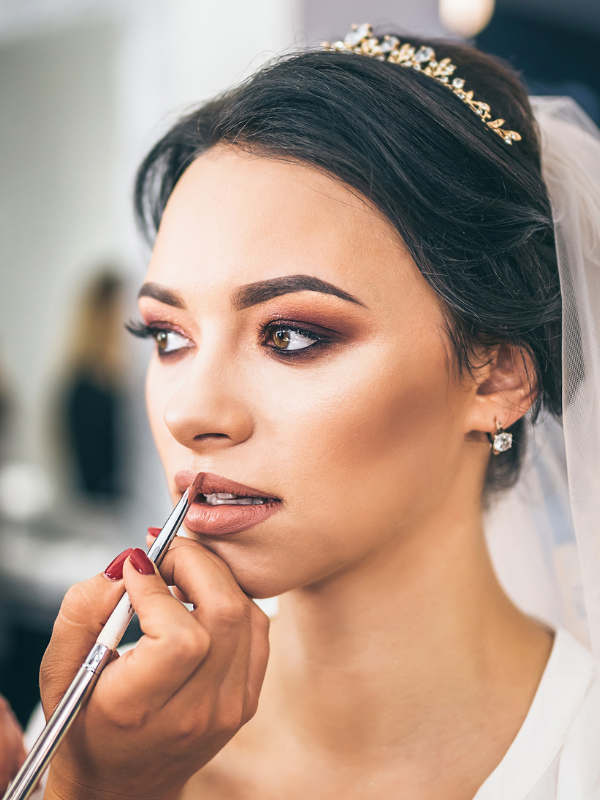
Sometimes you have already finished your makeup before realizing that your base looks cakey. Thankfully, you do not always need to remove everything and start again.
First, stop adding more product. Adding another layer of foundation or powder usually makes the problem worse.
Instead, use a clean, slightly damp makeup sponge to gently press over areas where the makeup looks heavy. This can help pick up excess product and soften the appearance of the base.
A setting spray can also help bring some life back into a dry-looking finish. Lightly mist your face and allow it to settle rather than immediately adding more powder.
If a particular area looks extremely dry, gently work with what is already on your skin rather than covering it with more foundation.
For areas where makeup has completely worn away, apply a very small amount of foundation or concealer and blend it into the surrounding makeup.
The goal is to refresh the makeup, not rebuild the entire base.
How to Prevent Cakey Makeup Throughout the Day

Even a beautiful makeup base can change as you wear it. Oil, sweat, heat, and touching your face can all affect your makeup.
If your skin becomes oily, use blotting paper or a clean tissue to gently remove excess oil before applying more powder. Adding powder directly over a layer of oil can create a thick, textured appearance.
Try not to repeatedly touch or rub your face throughout the day. This can move your foundation around and cause certain areas to become patchy.
If you need a touch-up, look at what actually needs fixing first. You may only need to add a little concealer to one area rather than applying another layer of foundation everywhere.
A light mist of setting spray can also help refresh your makeup when it starts looking tired.
Common Makeup Mistakes That Make Your Base Look Cakey
Sometimes the smallest habits can affect your final makeup look. Watch out for these common mistakes:
- Applying a thick layer of foundation all over your face
- Skipping moisturizer before makeup
- Applying too much primer
- Using a foundation that does not suit your skin or desired finish
- Applying powder heavily across the entire face
- Building too many layers of cream and powder products
- Applying makeup to flaky or poorly prepared skin
- Rubbing foundation aggressively instead of gently blending it
- Adding more foundation every time your makeup starts to wear off
- Constantly touching your face throughout the day
You do not have to change your entire makeup routine at once. Start by reducing the amount of product you use and paying attention to how your skin is prepared.
A Simple Routine for a Smooth, Natural-Looking Base
If you want to keep things simple, try following this order:
1. Cleanse Your Skin
Start with clean skin so makeup has a fresh surface to sit on.
2. Moisturize
Apply a suitable moisturizer and give it a little time to settle.
3. Apply Primer Where Needed
Use a small amount of primer only on areas that would benefit from it.
4. Apply a Thin Layer of Foundation
Start with less than you think you need and build coverage gradually.
5. Add Concealer Where Necessary
Use concealer selectively instead of applying a thick layer everywhere.
6. Blend Everything Carefully
Check your cheeks, nose, jawline, forehead, and under-eye area to make sure everything looks even.
7. Add Blush or Bronzer in Light Layers
Avoid piling on multiple thick layers of cream and powder products.
8. Set Selected Areas With Powder
Apply a small amount of powder where you need extra oil control or longevity.
9. Finish With Setting Spray
A light layer of setting spray can help bring the finished makeup together.
Following a simple routine like this can help your makeup look polished without feeling like you have several layers sitting on your skin.
FAQ
Why does my foundation look cakey?
Foundation can look cakey when too much product is applied, the skin is not properly moisturized, too much powder is used, or the foundation formula does not work well with your skin. Applying thinner layers and preparing your skin properly can help.
How do I stop my makeup from looking dry and cakey?
Start with moisturized skin and avoid applying too much foundation or powder. Choose a foundation formula that works with your skin type and blend thin layers rather than applying one heavy layer.
Why does my foundation get cakey after a few hours?
Oil, sweat, dry skin, and repeated touch-ups can cause foundation to become cakey throughout the day. Instead of adding more makeup immediately, blot excess oil first and refresh only the areas that need attention.
Does too much powder cause cakey makeup?
Yes. Applying too much powder can make foundation look dry, thick, and overly visible. Use a small amount and focus on areas that actually need setting.
How do I make my foundation look smooth and natural?
Use properly moisturized skin, apply a small amount of foundation, blend it thoroughly, and build coverage only where needed. Keeping your layers thin can help your foundation look more like skin.
Can moisturizer help prevent cakey makeup?
Yes. Proper moisturization can help reduce the appearance of dry patches that foundation may cling to. However, using too much moisturizer immediately before makeup can also contribute to product buildup, so a thin layer is usually enough.
How do I fix cakey makeup without removing it?
Avoid adding more foundation or powder. Instead, gently press the makeup with a clean damp sponge and use a light mist of setting spray to refresh the finish. If necessary, add a tiny amount of product only where makeup has worn away.
Preventing cakey makeup does not have to mean buying an entirely new collection of makeup products. In many cases, the biggest difference comes from how you prepare your skin and how much product you apply.
Keep your skincare routine simple, moisturize your skin, use primer strategically, and start with a thin layer of foundation. Build coverage slowly instead of trying to cover everything at once, and be especially careful with powder.
Most importantly, remember that you do not need a completely covered face for your makeup to look beautiful. Letting a little of your natural skin show through can actually give you that fresh, smooth finish that heavy layers often struggle to create.
This Post Showed You How to Prevent Makeup From Looking Cakey
You may also like:


One Comment