If your skin often feels tight, rough, itchy, or uncomfortable after a bath, your bathing routine may be taking away more moisture than your skin can comfortably handle. Dry skin after bathing is common, especially when you use very hot water, harsh body washes, or spend a long time in the bath. The good news is that a few simple changes can help your skin feel softer and more comfortable after bathing.
Your skin naturally has oils and other components that help keep moisture in. When these are stripped away too often, your skin can become dry and tight. How you bathe, what you use on your skin, and what you apply afterward can all make a difference.
Why Does Your Skin Feel Dry After Bathing?

A bath should leave your skin feeling clean and refreshed, but certain habits can leave it feeling completely different. If your skin becomes dry almost every time you bathe, one or more parts of your routine may be contributing to the problem.
Using Very Hot Water
A long, hot bath can feel relaxing, especially after a tiring day, but very hot water can remove some of the natural oils that help protect your skin. Once those oils are reduced, moisture can escape from the skin more easily.
You do not have to give up warm baths completely. Try using lukewarm water instead. It can still feel comfortable while being gentler on your skin.
Using a Harsh Body Wash
Not all body washes are equally gentle. Some cleansing products can leave your skin feeling extremely clean but also tight and uncomfortable afterward.
If your skin regularly feels dry after bathing, consider switching to a gentle body wash made for dry or sensitive skin. Look for formulas that cleanse without leaving your skin feeling stripped.
Bathing for Too Long
Spending a long time in water can contribute to dryness, particularly when the water is hot. If you enjoy taking long baths, you do not necessarily need to stop completely, but shortening the amount of time you spend in the water may help.
A shorter, lukewarm bath can be much kinder to dry skin than a long, hot one.
Scrubbing Too Hard
Exfoliating can help remove dead skin cells, but aggressive scrubbing is not necessary for clean skin. Using a rough sponge, loofah, or washcloth too forcefully can irritate the skin and make dryness feel worse.
Be gentle when cleansing. Your skin does not need to be scrubbed until it feels squeaky clean.
Skipping Moisturizer After Bathing
One of the easiest ways to support dry skin is to moisturize soon after bathing. If you wait until your skin is completely dry or only moisturize occasionally, your skin may continue to feel tight.
Applying moisturizer while your skin is still slightly damp can help lock in some of the water left on the surface.
How to Stop Dry Skin After Bathing
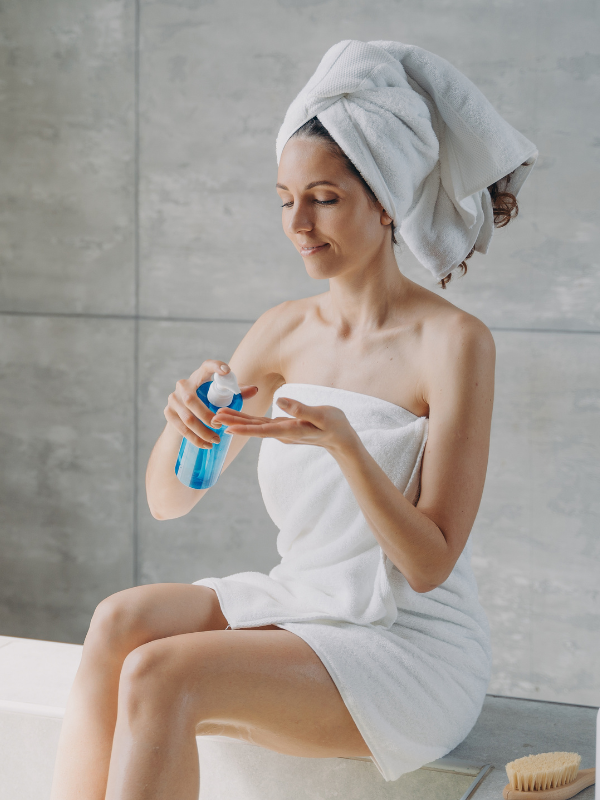
You do not need an elaborate body-care routine to improve dry skin after bathing. Start by changing the habits that may be stripping moisture from your skin.
1. Use Lukewarm Water
The temperature of your bath can make a noticeable difference. Instead of using very hot water, aim for water that feels comfortably warm.
Hot water may temporarily feel soothing, but it can be particularly uncomfortable for already-dry skin. Lukewarm water gives you the cleansing benefits of bathing without exposing your skin to excessive heat.
If your skin tends to feel tight immediately after bathing, water temperature is one of the first things worth changing.
2. Keep Your Bath or Shower Short
You do not need to spend a long time in the bathroom for your skin to become clean. Try keeping your bath or shower reasonably short, particularly if your skin is already dry.
This is especially helpful when you combine shorter bathing time with lukewarm water and a gentle cleanser.
3. Choose a Gentle Body Wash
Your body wash should clean your skin without leaving it feeling stripped. If your current product makes your skin feel tight, rough, or uncomfortable after bathing, it may be worth trying something gentler.
Look for products labeled for dry or sensitive skin. Fragrance-free options can also be useful if your skin is easily irritated.
You may also prefer a creamy or moisturizing body wash instead of a product that leaves your skin feeling extremely “squeaky clean.”
4. Avoid Harsh Scrubbing
Be gentle when washing your body. Use your hands or a soft cleansing cloth and avoid aggressively rubbing areas that are already dry or irritated.
Exfoliation can have a place in a skincare routine, but you do not need to exfoliate every time you bathe. If your skin is dry, flaky, itchy, or irritated, give it a break from harsh scrubbing.
5. Pat Your Skin Dry
What you do after your bath matters too. Instead of vigorously rubbing your entire body with a towel, gently pat your skin dry.
You do not have to completely remove every trace of water. Leaving your skin slightly damp can make it easier to apply moisturizer afterward.
A soft, clean towel is also preferable to a rough one that repeatedly rubs against your skin.
6. Moisturize While Your Skin Is Still Damp
This is one of the most important steps if you are trying to prevent dry skin after bathing.
After gently patting yourself dry, apply a body moisturizer while your skin still has a little moisture on it. This helps the moisturizer trap water and can leave your skin feeling softer.
You do not need to wait until your skin starts feeling tight before applying lotion or cream. Making moisturizing part of your regular post-bath routine is much easier than trying to correct severe dryness later.
7. Choose a Moisturizer That Supports Your Skin Barrier
If your skin is consistently dry, the type of moisturizer you use matters. A lightweight lotion may work well for some people, while others may need a richer cream or ointment.
Helpful ingredients can include glycerin, ceramides, hyaluronic acid, shea butter, squalane, and petrolatum. These ingredients can help attract moisture, soften the skin, or reduce moisture loss.
You do not need every ingredient in one product. Choose a moisturizer that feels comfortable and works well for your skin.
Bathing Habits That Can Make Dry Skin Worse
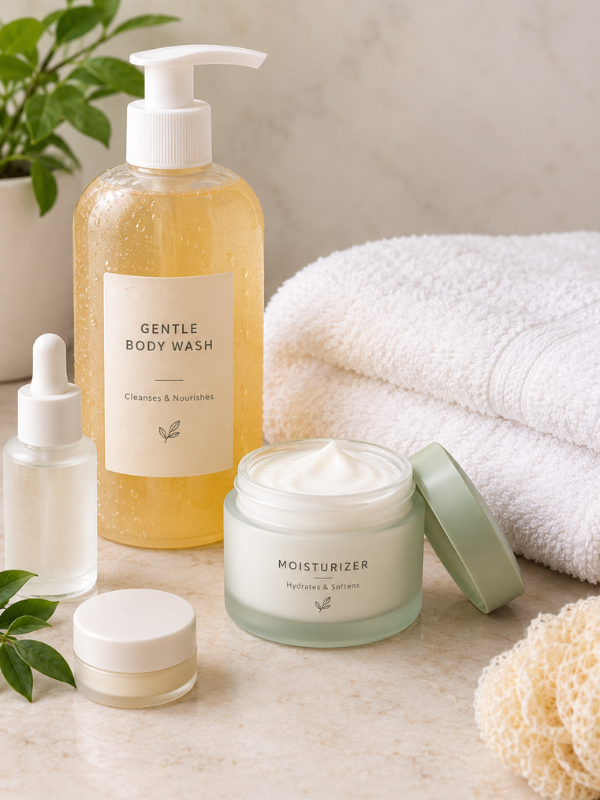
Sometimes the problem is not one particular product but a combination of small habits.
Common bathing habits that can make dryness worse include:
- Taking very hot baths or showers
- Staying in the bath for a long time
- Using a harsh body wash
- Scrubbing the skin aggressively
- Exfoliating too frequently
- Using a rough sponge or washcloth
- Rubbing the skin hard with a towel
- Waiting too long before moisturizing
- Using heavily fragranced products when your skin is sensitive
- Changing several body-care products at once
You do not have to change everything overnight. Start with the habits that are easiest to adjust, such as lowering the water temperature and moisturizing immediately after bathing.
What to Look for in a Body Wash for Dry Skin
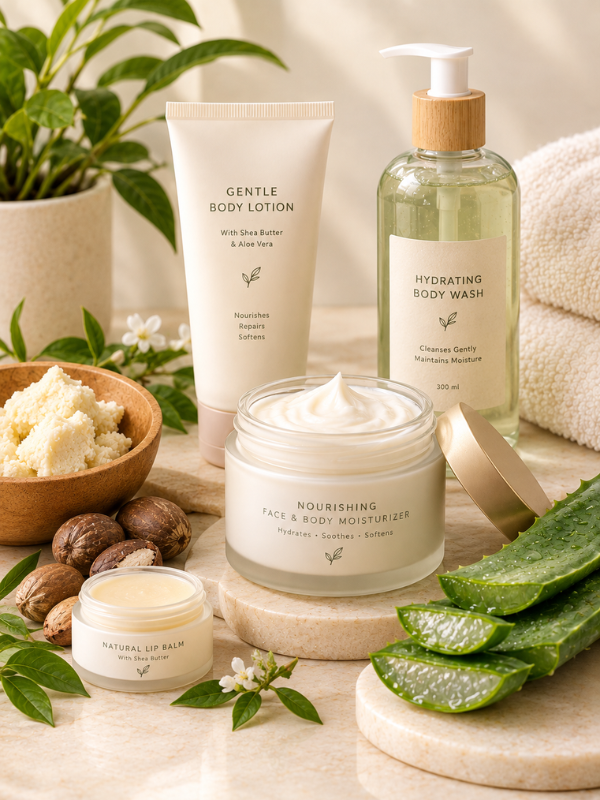
Choosing the right body wash can make your bathing routine much more comfortable. If your skin is dry, focus less on how strongly a product cleans and more on whether it leaves your skin comfortable afterward.
A gentle body wash may be a good choice if it is:
- Designed for dry or sensitive skin
- Fragrance-free or low-fragrance if you are easily irritated
- Moisturizing
- Gentle enough for regular use
- Free from ingredients that you know personally irritate your skin
Pay attention to how your skin feels after using a product. If it consistently feels tight or uncomfortable, that is a useful sign that the product may not be suitable for your skin.
Best Ingredients for Keeping Skin Moisturized
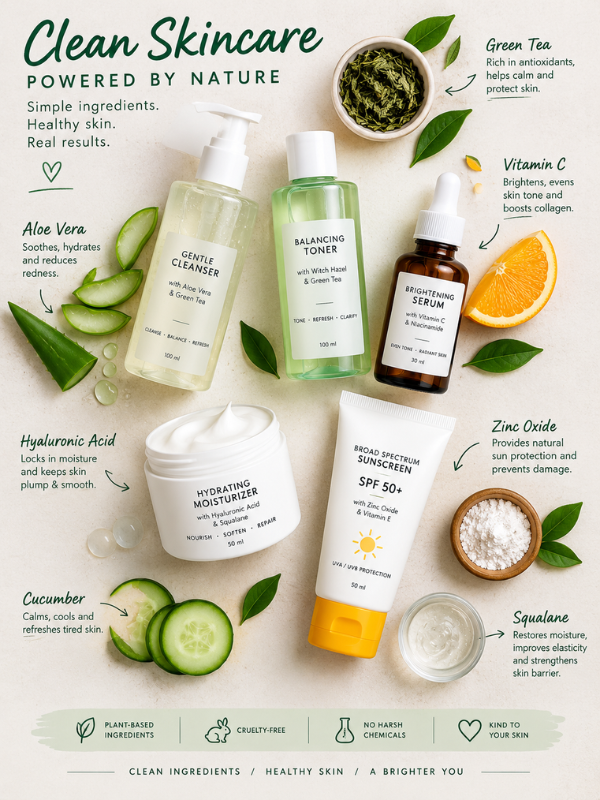
Understanding a few common moisturizing ingredients can make shopping for skincare much easier.
Glycerin helps attract water to the skin and is commonly used in moisturizing products.
Ceramides are lipids naturally found in the skin and are often included in products designed to support the skin barrier.
Hyaluronic acid helps attract and hold water, making it a popular ingredient in hydrating skincare products.
Shea butter is a rich emollient that can help soften dry skin and is particularly useful in thicker body creams.
Squalane is a lightweight moisturizing ingredient that can help soften the skin without necessarily feeling as heavy as some body butters.
Petrolatum creates a protective layer over the skin that helps reduce moisture loss. It can be particularly useful on very dry areas such as elbows, knees, hands, and feet.
You do not need an expensive collection of products. A gentle body wash and a moisturizer that works well for your skin can be enough for a simple routine.
How to Build a Simple Bathing Routine for Dry Skin
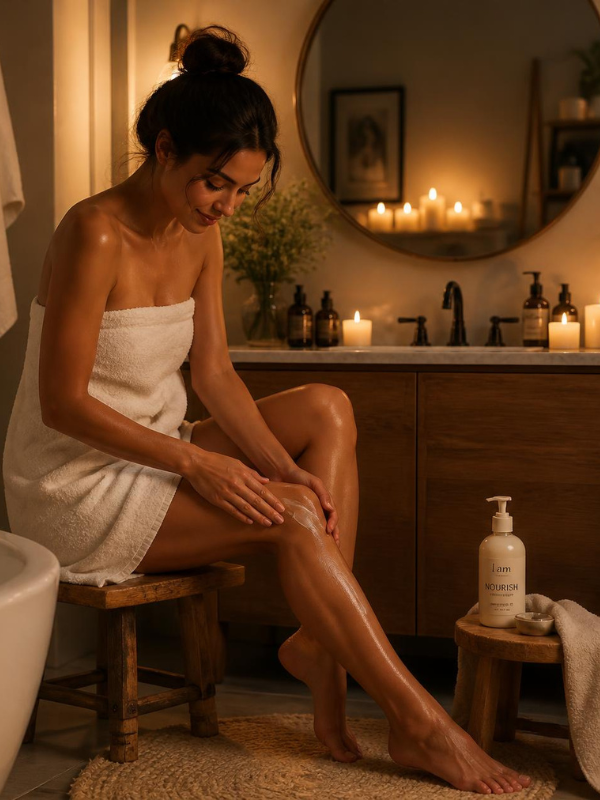
If your skin feels dry after nearly every bath, simplifying your routine may be more helpful than adding more products.
Start with comfortably lukewarm water and keep your bathing time reasonable. Use a gentle body wash, especially on areas that need cleansing, rather than aggressively scrubbing your entire body.
Once you finish bathing, gently pat your skin with a soft towel. While your skin is still slightly damp, apply a moisturizer generously, paying extra attention to areas that tend to become rough or flaky.
If certain parts of your body are particularly dry, such as your elbows, knees, ankles, or feet, you can use a richer cream or ointment on those areas.
The goal is not to make your routine complicated. It is to cleanse gently, avoid unnecessary moisture loss, and replace moisture consistently.
What to Do If Your Skin Is Still Dry After Bathing
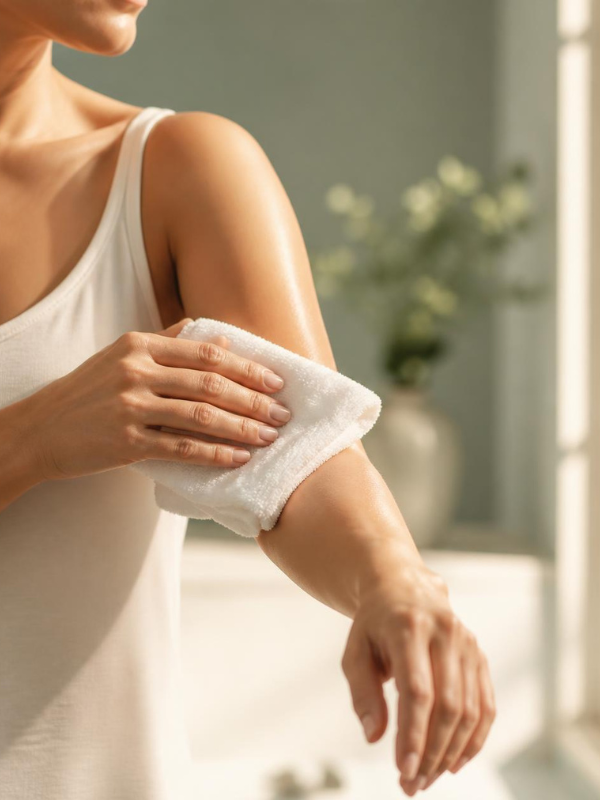
If you have changed your bathing habits and your skin is still very dry, look at the products you are using outside the bathroom too.
Laundry detergents, perfumes, body sprays, skincare products, and certain fabrics can sometimes contribute to irritation. If you recently introduced several new products, consider whether one of them could be bothering your skin.
It can also help to keep your routine simple for a while. Use a gentle cleanser, a basic moisturizer, and avoid unnecessary exfoliation until your skin feels more comfortable.
If your skin is extremely dry, cracked, painful, persistently itchy, red, swollen, or burning, it may be more than ordinary dryness. Persistent or worsening skin problems are worth discussing with a dermatologist or other qualified healthcare professional.
Frequently Asked Questions
Why does my skin feel tight after bathing?
Your skin may feel tight because bathing, particularly with hot water or a harsh cleanser, can remove some of its natural oils. Drying your skin too aggressively or failing to moisturize afterward can also contribute to that tight feeling.
Should I use hot or cold water when bathing?
Lukewarm water is generally a better choice if you are prone to dry skin. Very hot water can be particularly drying and may make irritated skin feel worse.
How can I prevent dry skin after bathing?
Use lukewarm water, keep your bath or shower reasonably short, choose a gentle body wash, avoid harsh scrubbing, pat your skin dry, and apply moisturizer while your skin is still slightly damp.
Should I moisturize immediately after bathing?
Yes. Applying moisturizer shortly after bathing, while your skin is still slightly damp, can help trap moisture and keep your skin feeling softer.
Can bathing too often cause dry skin?
Frequent bathing can contribute to dryness, especially when combined with hot water, long baths, or harsh cleansing products. Your skin may benefit from a simpler routine that avoids unnecessary cleansing.
Why is my skin still dry even when I use lotion?
Your lotion may not be rich enough for your skin, or other habits may be contributing to moisture loss. Consider your water temperature, bathing time, body wash, exfoliation habits, and how soon you moisturize after bathing.
Is dry skin after bathing normal?
Mild dryness can happen, particularly when the skin is exposed to hot water or harsh products. However, skin that is consistently very dry, cracked, painful, itchy, or irritated may need further attention.
If you regularly experience dry skin after bathing, you may not need a complicated body-care routine to fix it. Small changes can make a big difference. Start by using lukewarm water, keeping your bath reasonably short, choosing a gentle body wash, and avoiding aggressive scrubbing.
After bathing, gently pat your skin dry and apply a moisturizer while your skin is still slightly damp. With consistent care, these simple habits can help your skin feel softer, smoother, and more comfortable.
And remember, clean skin does not have to feel tight or “squeaky.” Your goal is to keep your skin clean while protecting the moisture barrier that helps keep it healthy.
This Post Showed You How to Stop Your Skin From Feeling Dry After Bathing
You may also like:



One Comment