Dull skin can make your face look tired even when you have had a good day and feel completely fine. Your skin may look flat, rough, dry, or less radiant than it normally does. Sometimes, the cause is something simple, such as dehydration or dead skin buildup. Other times, your daily skincare habits, sun exposure, stress, or lack of sleep may be contributing to the problem.
The good news is that you do not necessarily need a complicated skincare routine to improve the appearance of dull skin. Gentle cleansing, regular but careful exfoliation, proper hydration, daily sunscreen, and a consistent routine can make your skin look fresher and healthier over time.
What Causes Dull Skin?

Before changing your skincare routine, it helps to understand why your skin may be looking dull in the first place. Dullness is not caused by one thing, and you may have several factors affecting your skin at the same time.
1. Dead Skin Cell Buildup
Your skin naturally sheds dead skin cells, but sometimes they can remain on the surface instead of coming off evenly. When dead cells build up, they can make your complexion look rough, uneven, or less radiant.
This is one reason your skin may look brighter after gentle exfoliation. Removing excess buildup can leave the surface feeling smoother and help your skincare products spread more evenly.
2. Dehydrated Skin
When your skin does not have enough water, it can look tired, tight, flaky, or less plump. Dehydration can affect different skin types, including oily skin.
You may notice that your skin looks duller after spending time in hot weather, sweating heavily, using drying products, or simply not paying enough attention to hydration.
3. Harsh Cleansing
Cleansing is important, but using a cleanser that is too harsh for your skin can leave it feeling tight and uncomfortable. Washing your face too frequently or using very hot water may also contribute to dryness and irritation.
Healthy-looking skin needs to maintain its natural protective barrier, so cleansing should remove unwanted buildup without leaving your skin feeling stripped.
4. Too Much Exfoliation
Exfoliation can help with dullness, but more is not always better. Scrubbing your skin frequently or combining several exfoliating products can cause irritation.
When your skin becomes irritated, it may look red, dry, rough, or generally unhealthy. Gentle and consistent care is usually more helpful than aggressive treatments.
5. Sun Exposure
Regular exposure to ultraviolet radiation can contribute to uneven skin tone and premature signs of aging. Spending time outdoors without adequate sun protection can also make your complexion appear less even over time.
This is why sunscreen is an important part of a routine designed to maintain brighter-looking, healthier skin.
6. Lack of Sleep
Your skin does not exist separately from the rest of your body. When you regularly get poor-quality sleep, you may notice that your face looks tired, puffy, or less refreshed.
Improving your sleep habits will not replace a good skincare routine, but it can support your overall appearance and well-being.
7. Stress
Long periods of stress can affect many aspects of your daily life, including your skin. When you are stressed, you may also sleep less, forget to drink enough water, or skip parts of your skincare routine.
Taking care of your skin is easier when you also make time for rest and healthy habits.
How to Stop Your Skin From Looking Dull
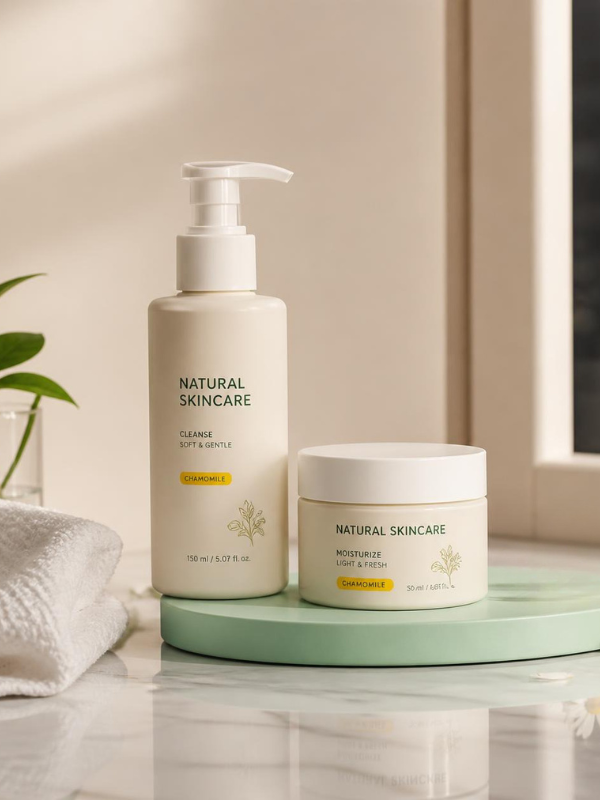
If your complexion has been looking tired lately, start with the basics before adding several new products. A simple routine that you can follow consistently is often easier to maintain than a complicated one filled with products you rarely use.
Cleanse Your Skin Gently
A clean face provides a better starting point for the rest of your skincare routine. Throughout the day, your skin can collect sweat, excess oil, dirt, sunscreen, and makeup.
Use a gentle cleanser that suits your skin type and cleanse without aggressively rubbing or scrubbing your face. Lukewarm water is generally more comfortable for the skin than very hot water.
If your skin feels extremely tight or uncomfortable immediately after cleansing, your cleanser may be too drying for you.
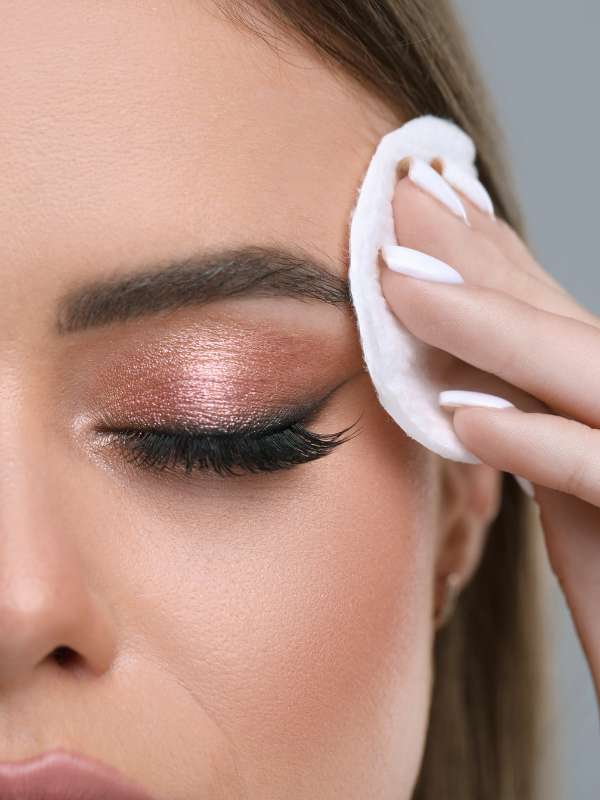
At night, make sure you remove makeup and sunscreen properly instead of going to bed with them sitting on your skin.
Exfoliate Regularly but Gently
Exfoliation can help remove excess dead skin cells from the surface and improve the appearance of rough, dull-looking skin.
There are two broad approaches to exfoliation. Physical exfoliation uses particles or tools to manually loosen dead skin cells, while chemical exfoliation uses ingredients that help loosen the bonds between dead cells.
Whichever approach you choose, avoid being overly aggressive. You do not need to scrub your face until it feels squeaky clean.
If you are new to exfoliation, introduce one product at a time and give your skin time to adjust. Exfoliating less frequently is often better than irritating your skin by doing it too often.
Keep Your Skin Well Hydrated
Hydration can make a noticeable difference when your skin looks tired or dehydrated. Hydrating skincare products can help your skin feel more comfortable and give it a smoother, fresher appearance.
Look for products containing ingredients designed to support hydration, such as glycerin or hyaluronic acid. Apply your hydrating products according to the instructions and follow with moisturizer when appropriate.
Remember that oily skin can become dehydrated too. Having oily skin does not automatically mean you should avoid hydration.
Moisturize Every Day
Moisturizer helps support the skin barrier and reduce the feeling of dryness. When your skin is adequately moisturized, it can look smoother and more comfortable.
If you have oily or combination skin, you may prefer a lightweight lotion or gel-cream. Dry skin may feel better with a richer cream.
You do not need to choose the most expensive moisturizer. The most useful product is one that works comfortably with your skin and that you can use consistently.
Applying moisturizer while your skin is still slightly damp can also help reduce moisture loss.
Wear Sunscreen Every Day
Daily sunscreen is one of the most important habits for protecting your skin from UV exposure. Regular sun exposure can contribute to uneven-looking skin, dark spots, and visible signs of premature aging.
Choose a broad-spectrum sunscreen with an appropriate SPF and apply it as the final step of your morning skincare routine.
Do not rely on cloudy weather as a reason to skip sunscreen. UV exposure can still occur when the sun is not shining brightly.
If you spend extended periods outdoors, follow the product’s directions for reapplication.
Add Brightening Ingredients Carefully
If basic skincare is not enough for your concerns, you can consider adding an ingredient that targets uneven tone or lack of radiance.
Vitamin C is commonly used in morning routines to support a brighter, more even-looking complexion. Niacinamide can support the skin barrier and improve the appearance of uneven tone.
Alpha hydroxy acids, such as glycolic acid and lactic acid, can help exfoliate the skin. Retinoids can also support skin renewal and improve the appearance of texture and uneven tone.
Azelaic acid is another ingredient commonly used for concerns involving uneven-looking skin.
However, you do not need all of these ingredients. Introducing several active products at once can make it difficult to tell what is helping and may increase the risk of irritation.
Start with one active ingredient that suits your concern and introduce it gradually.
Build a Simple Skincare Routine for Brighter-Looking Skin
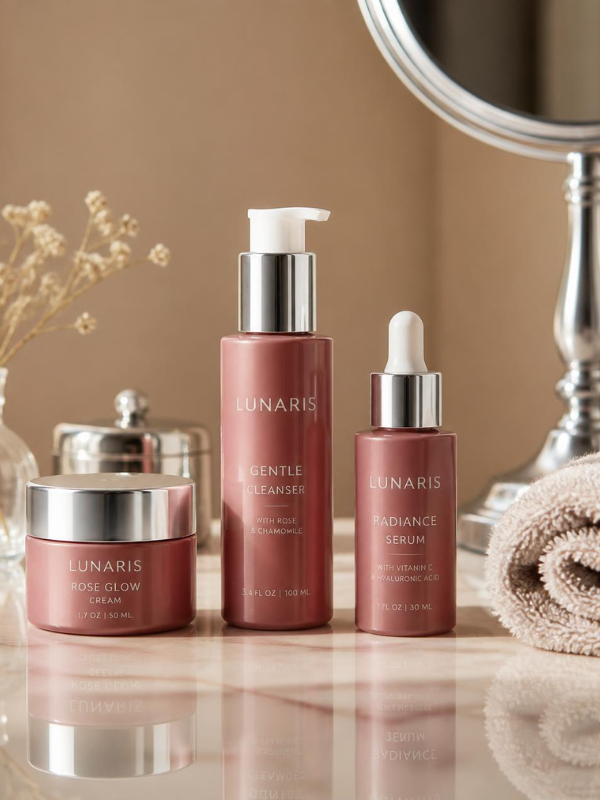
A good skincare routine does not have to contain ten different steps. If your main concern is dull skin, focus on the basics first.
Morning Routine
A simple morning routine can include:
- Gentle cleanser
- Hydrating or brightening serum, if needed
- Moisturizer
- Broad-spectrum sunscreen
If your skin becomes irritated easily, you can keep the routine even simpler. You do not need to use a serum just because it is popular.
Evening Routine
Your evening routine can include:
- Gentle cleanser
- Treatment product, if needed
- Moisturizer
If you wear makeup, remove it properly before cleansing or use a suitable cleansing method that removes it effectively.
The goal is not to create the longest routine possible. The goal is to create one that addresses your skin concerns without overwhelming your skin.
Lifestyle Habits That Can Help With Dull Skin

Skincare products are only one part of maintaining healthy-looking skin. Your everyday habits can also affect how refreshed your complexion looks.
Get Enough Sleep
Try to maintain a regular sleep schedule and give your body enough time to rest. A consistent sleep routine can help you look and feel more refreshed.
Stay Hydrated
Drink fluids regularly throughout the day and pay attention to your body’s hydration needs, especially in hot weather or when you are physically active.
Hydration alone will not eliminate every skin concern, but staying adequately hydrated supports your overall health.
Eat a Balanced Diet
Your skin needs nutrients just like the rest of your body. Aim for a varied diet that includes fruits, vegetables, protein, healthy fats, and other nutrient-rich foods.
You do not need to follow a restrictive diet or rely on one so-called miracle food to improve your complexion.
Make Time to Relax
Stress can affect your routines and overall well-being. Finding healthy ways to relax, whether that means taking a walk, exercising, reading, spending time with people you enjoy, or simply taking a break, can help you maintain better daily habits.
Exercise Regularly
Regular physical activity supports overall health and can be a useful part of a healthy lifestyle. Remember to cleanse your skin appropriately after sweating, particularly if you have been wearing makeup or sunscreen.
Common Skincare Mistakes That Can Make Dull Skin Worse
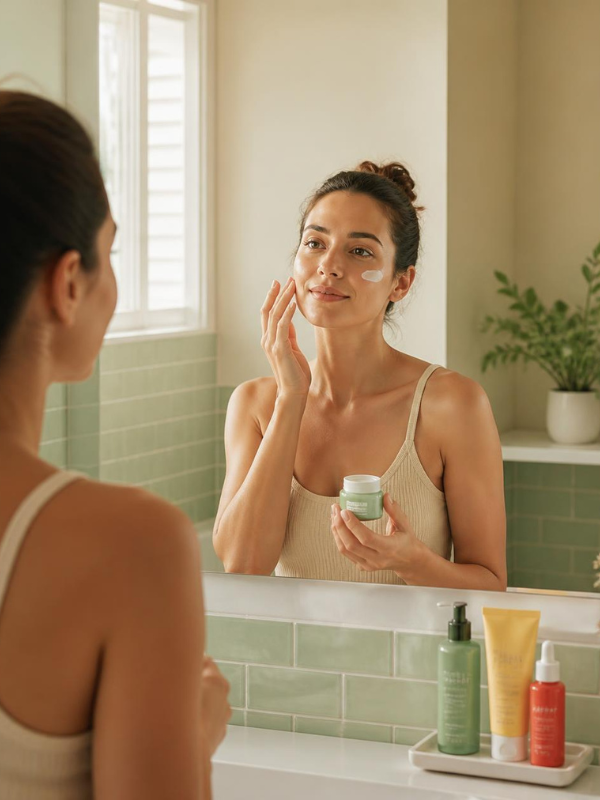
Sometimes, the products you are using are not the main problem. Your routine itself may be working against you.
Scrubbing Your Skin Too Hard
Rough scrubbing does not automatically make your skin cleaner or brighter. Excessive friction can irritate the skin and leave it feeling uncomfortable.
Use gentle movements when cleansing and exfoliating.
Exfoliating Too Often
If you exfoliate every day because your skin looks dull, you may actually make the problem worse. Irritated skin can become dry, flaky, or rough.
Follow the instructions for your exfoliating product and reduce frequency if your skin becomes irritated.
Skipping Moisturizer
Even oily skin can benefit from appropriate moisturizing. Avoiding moisturizer completely may leave your skin feeling dry or uncomfortable.
Choose a formula that fits your skin type rather than skipping this step altogether.
Forgetting Sunscreen
You can have an excellent skincare routine, but regularly skipping sunscreen can make it harder to maintain an even-looking complexion.
Make sunscreen a consistent part of your morning routine.
Using Too Many Active Ingredients
It can be tempting to use vitamin C, exfoliating acids, retinoids, and several other treatments at the same time when you want quick results.
However, your skin may not appreciate the enthusiasm.
Introduce active ingredients gradually and avoid creating a routine that causes constant irritation.
Constantly Changing Products
Skincare takes consistency. Changing your entire routine every few days makes it difficult to determine what works for your skin.
Unless a product is causing a clear problem, give your routine enough time before deciding whether it is working.
How Long Does It Take to Improve Dull Skin?
The amount of time it takes to improve dull skin depends on what is causing the problem.
If dehydration is contributing to your dull appearance, improving your moisturizing and hydration habits may help your skin feel more comfortable relatively quickly. Other concerns, such as uneven skin tone and texture, usually require more patience.
The important thing is to avoid expecting overnight results.
A consistent routine is generally more useful than constantly searching for a new product that promises instant radiance. Give your skin time to respond and make changes gradually.
If a product causes burning, significant redness, swelling, or persistent irritation, stop using it and consider getting professional advice.
When Dull Skin May Need Professional Attention
Dull-looking skin is often related to everyday factors and skincare habits, but persistent or unusual changes should not always be treated with more skincare products.
Consider speaking with a dermatologist if your skin changes suddenly, remains unusually dry or irritated, or if dullness occurs alongside significant acne, persistent redness, unusual pigmentation, itching, or other symptoms.
A professional can help determine whether an underlying skin condition or another factor may be contributing to the change.
Frequently Asked Questions
Why does my skin look dull even when I moisturize?
Moisturizing can help with dryness, but dullness can have several causes. Dead skin buildup, dehydration, sun exposure, lack of sleep, irritation, and an unsuitable skincare routine may all contribute.
How can I make dull skin look brighter?
Start with a simple routine that includes gentle cleansing, appropriate exfoliation, hydration, moisturizer, and daily sunscreen. You can consider adding a brightening ingredient once your basic routine is working well for your skin.
Does exfoliating help dull skin?
Gentle exfoliation can help remove excess dead skin cells that may contribute to a rough or dull appearance. However, over-exfoliation can irritate your skin, so moderation is important.
How often should I exfoliate dull skin?
There is no single frequency that works for everyone. It depends on the type of exfoliant and your skin’s sensitivity. Start slowly and follow the product’s instructions rather than assuming that more frequent exfoliation will produce faster results.
Can dehydration make skin look dull?
Yes. Dehydrated skin can look less plump, tired, rough, or flaky. Using hydrating products and maintaining adequate fluid intake can support a healthier-looking complexion.
Does lack of sleep cause dull-looking skin?
Poor sleep can make you look tired and may contribute to a less refreshed appearance. Getting consistent, quality sleep is an important part of overall health and can complement a good skincare routine.
What skincare ingredients are good for dull skin?
Ingredients commonly used for dull or uneven-looking skin include vitamin C, niacinamide, alpha hydroxy acids, retinoids, and azelaic acid. Choose based on your specific concern and introduce active ingredients gradually.
Can sunscreen help prevent dull skin?
Sunscreen helps protect the skin from UV exposure, which can contribute to uneven skin tone, dark spots, and premature visible aging. Daily sun protection is an important part of maintaining an even-looking complexion.
Dull skin does not always mean that you need a completely new skincare routine. In many cases, going back to the basics can make a big difference.
Cleanse your skin gently, exfoliate without overdoing it, keep your skin hydrated, moisturize regularly, and wear sunscreen during the day. You can then introduce targeted ingredients if you have a specific concern you want to address.
Most importantly, give your routine time. Healthy-looking skin is usually the result of consistent care rather than one dramatic overnight change. Keep your routine simple enough to follow, pay attention to how your skin responds, and make adjustments when necessary.
This Post Showed You How to Stop Your Skin From Looking Dull
You may also like:
How to Keep Your Skin Soft and Smooth



One Comment