After wearing makeup all day, it can be tempting to grab a wipe, rub everything off quickly, and head straight to bed. But if your skin often feels tight, dry, red, or uncomfortable after cleansing, the way you remove your makeup could be part of the problem. Learning how to Remove Makeup Properly can help you get rid of foundation, mascara, lipstick, and other products without putting unnecessary stress on your skin.
The good news is that you do not need a complicated routine or a bathroom full of products. A gentle makeup remover, a suitable cleanser, lukewarm water, and moisturizer can be enough for a simple nighttime routine. The key is to dissolve makeup instead of scrubbing it away and to treat delicate areas, especially around the eyes, with extra care.
Whether you wear a full face of makeup or just a little concealer and mascara, taking a few extra minutes to remove everything properly can leave your skin feeling much more comfortable before bed.
Why It Is Important to Remove Makeup Properly
Makeup can stay on your skin for several hours while you go about your day. During that time, it can mix with sweat, natural oils, and other buildup on the surface of your skin.
Going to bed without removing makeup means all of that remains on your face for even longer. While makeup itself does not automatically cause breakouts, leaving products on overnight can contribute to clogged pores and may make existing skin concerns worse.
The way you remove makeup matters too. Scrubbing aggressively, using very hot water, or repeatedly wiping the same area can leave your skin feeling irritated. The skin around your eyes is particularly delicate, so pulling and rubbing around this area is best avoided.
A gentle removal routine helps you clean your skin without unnecessarily stripping or irritating it.
What You Need Before Removing Your Makeup
You do not need to buy every makeup-removing product available. Start with a few basics that suit your skin and the type of makeup you normally wear.
Here are some useful options to have:
- Micellar water or a gentle makeup remover
- Cleansing balm or cleansing oil
- Gentle facial cleanser
- Soft cotton pads or a reusable makeup-removing cloth
- Lukewarm water
- Clean, soft towel
- Gentle moisturizer
You may not need all of these every night. For example, someone wearing light makeup may only need micellar water followed by a gentle cleanser, while someone wearing waterproof foundation and mascara may prefer a cleansing balm or oil.
The important thing is choosing products that help dissolve makeup without making your skin feel painfully tight or uncomfortable afterward.
How to Remove Makeup Properly Step by Step
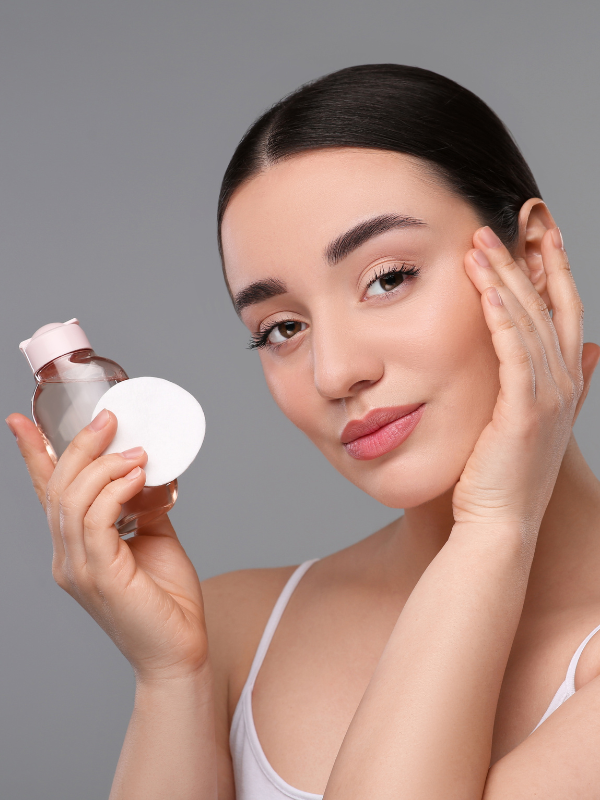
If you want a simple routine that removes makeup without unnecessary irritation, follow these steps.
1. Wash Your Hands First
Before touching your face, wash your hands with soap and water.
This is a small step that is easy to forget, especially when you are tired at the end of the day. Clean hands help prevent you from transferring dirt and other unwanted buildup onto your face while removing your makeup.
Once your hands are clean, you can start your makeup removal routine.
2. Start With Your Eye Makeup
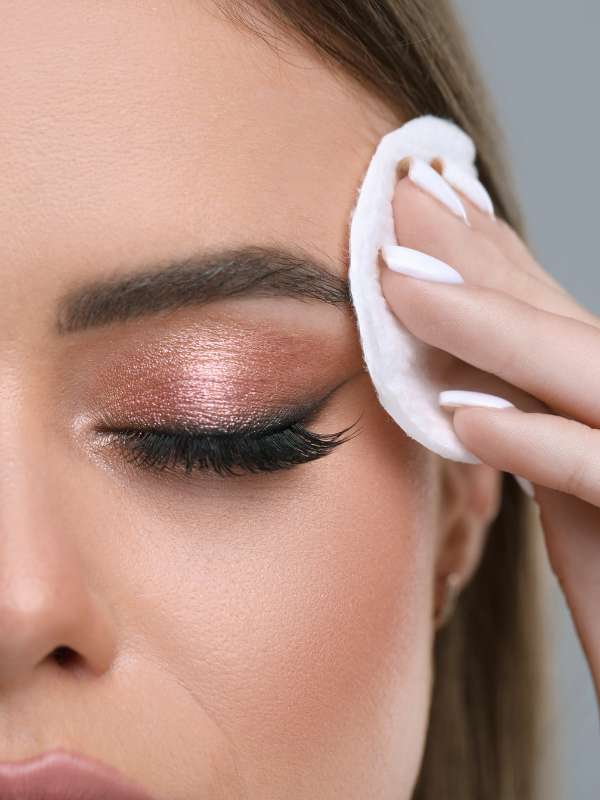
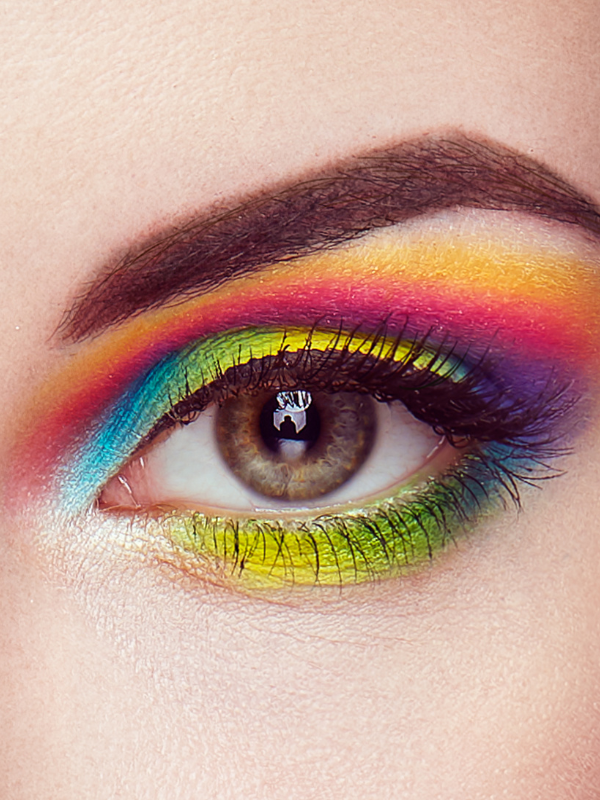
The eye area deserves extra attention because the skin around your eyes is thinner and more delicate than much of the skin on your face.
Soak a cotton pad with a suitable eye makeup remover or micellar water and gently place it over your closed eye. Let it sit for a few seconds so the product has time to loosen the mascara, eyeliner, and eyeshadow.
Then gently wipe away the makeup.
Instead of rubbing back and forth several times, use slow movements and allow the remover to do most of the work. If you are wearing waterproof mascara or stubborn eyeliner, you may need to repeat the process with a fresh cotton pad.
Be especially careful not to pull at your eyelashes or scrub the skin around your eyes.
3. Remove Your Lip Makeup Gently
Long-lasting lipsticks and lip stains can sometimes be surprisingly difficult to remove.
Apply a small amount of makeup remover to a cotton pad and gently wipe your lips. You can also use a cleansing balm or oil if it works well with your skin and the makeup you are wearing.
Avoid rubbing your lips aggressively just because the color is taking a little longer to disappear. Your lips can become dry and irritated from too much friction.
Once the makeup has been removed, you can apply a simple lip balm if your lips feel dry.
4. Break Down Your Face Makeup
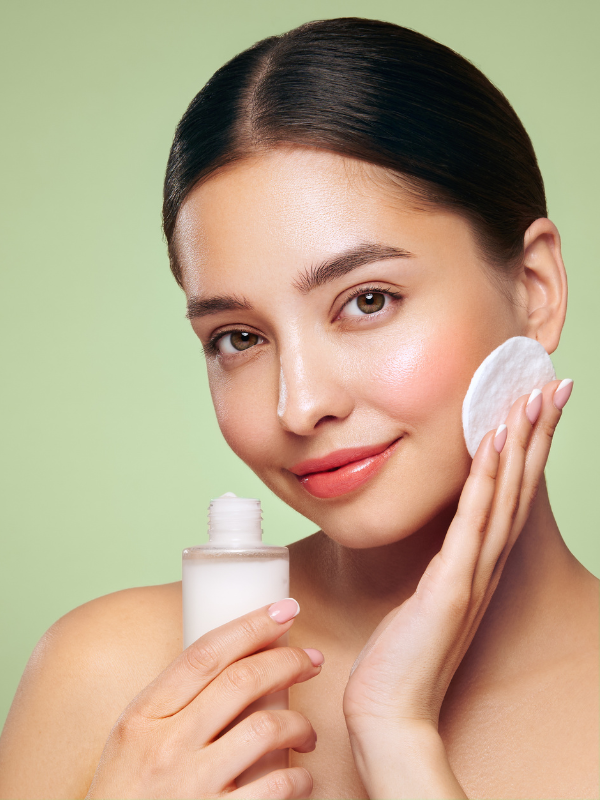
Once your eye and lip makeup are mostly gone, move on to the rest of your face.
If you are wearing foundation, concealer, blush, bronzer, or other face products, use a gentle makeup remover, cleansing balm, or cleansing oil to break them down.
Apply the product according to its directions and gently massage it over your face. Pay attention to areas where makeup tends to collect, including around your nose, along your jawline, and near your hairline.
The goal is to loosen the makeup rather than force it off by rubbing your skin.
If you are wearing heavy or long-wearing makeup, give the remover enough time to dissolve the products before wiping or rinsing.
5. Cleanse Your Skin
After removing most of your makeup, cleanse your face with a gentle facial cleanser.
This step helps remove remaining makeup, oil, sweat, and other buildup left on your skin.
Wet your face with lukewarm water, apply your cleanser, and gently massage it over your skin using your fingertips. There is no need to scrub hard or use a rough cloth.
Rinse thoroughly with lukewarm water and make sure there is no cleanser left around your hairline, nose, or jaw.
If you have very dry or sensitive skin, avoid cleansing repeatedly just because you want your face to feel extremely clean. That tight, squeaky feeling is not necessarily a sign that your skin has been cleaned better.
6. Check for Leftover Makeup
Before drying your face, take a moment to check whether any makeup is still left behind.
Look around your hairline, jawline, sides of your nose, under your eyes, and around your lips. These areas can easily be overlooked.
If you notice a little leftover makeup, use a clean cotton pad or a small amount of makeup remover to gently clean the area.
You do not need to keep wiping your entire face over and over. Focus only on the areas that still need attention.
7. Pat Your Face Dry
After rinsing, reach for a clean, soft towel and gently pat your face dry.
Try not to rub the towel back and forth across your skin. Your face has already been touched and cleansed, so there is no need to add unnecessary friction at this stage.
Having a separate clean face towel can also be helpful because you do not want to repeatedly use a towel that has been sitting damp in the bathroom.
8. Moisturize After Removing Your Makeup
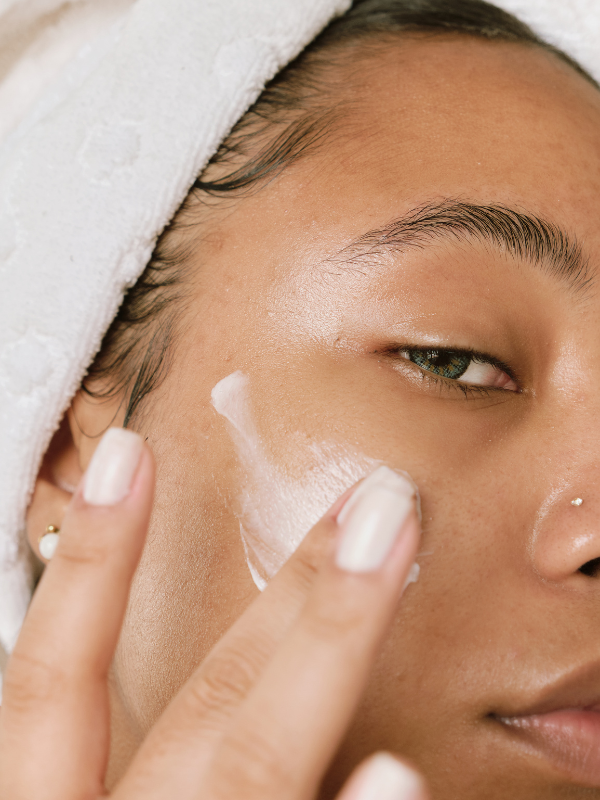
Once your skin is clean and gently dried, finish with a moisturizer that works for your skin type.
Cleansing can sometimes leave the skin feeling dry, especially if you use products that are too harsh for your skin. Applying moisturizer helps keep your skin feeling comfortable and soft.
You do not need a complicated nighttime skincare routine immediately after removing makeup. A gentle cleanser followed by a suitable moisturizer can be a perfectly simple place to start.
How to Remove Waterproof and Long-Wearing Makeup
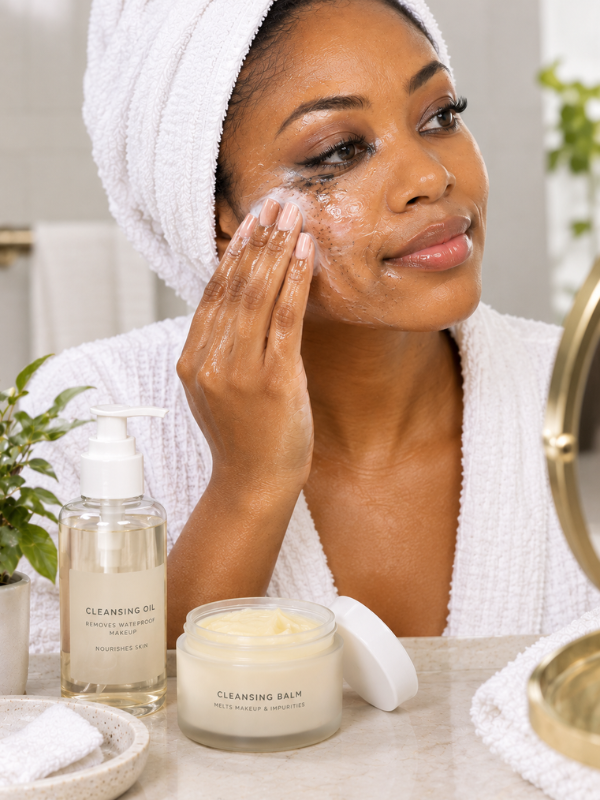
Waterproof mascara, long-wearing foundation, liquid lipstick, and other durable makeup products often require a little more patience.
Instead of scrubbing harder, use a remover designed to break down the type of makeup you are wearing. Cleansing balms, cleansing oils, and oil-based makeup removers can be useful for dissolving stubborn products.
Apply the product and give it a little time to work. Around the eyes, gently hold the soaked cotton pad against the closed eye before wiping.
If makeup does not come off immediately, repeat the process gently rather than increasing the pressure.
Remember that stubborn makeup is not a reason to punish your skin. If you find yourself rubbing aggressively to get something off, you may simply need a more suitable makeup remover.
How to Remove Makeup From Sensitive Skin
If your skin becomes red, itchy, tight, or uncomfortable easily, your makeup removal routine should be especially gentle.
Look for products designed for sensitive skin and consider fragrance-free options if fragrance tends to bother your skin. Avoid rough exfoliating cloths and unnecessary scrubbing.
It can also help to use lukewarm water rather than very hot water. Hot water may leave some people’s skin feeling dry and uncomfortable.
When removing makeup, use light pressure and avoid repeatedly wiping the same area. Once your skin is clean, apply a moisturizer to help prevent that dry, tight feeling.
Most importantly, pay attention to how your skin reacts to your products. If a particular makeup remover consistently causes burning or irritation, it may not be the right product for you.
Common Mistakes to Avoid When Removing Makeup
Even when you are making an effort to remove your makeup every night, a few habits can make the process unnecessarily irritating.
Scrubbing Your Skin Too Hard
One of the biggest mistakes is assuming that more rubbing means cleaner skin.
It doesn’t.
Makeup removers and cleansers are designed to help loosen and remove products. Let them do the work instead of relying on pressure.
Using Hot Water
Very hot water can feel relaxing, especially at the end of a long day, but it may leave your skin feeling dry or uncomfortable.
Lukewarm water is a better choice for a gentle cleansing routine.
Going to Bed With Makeup On
Sometimes you are simply too tired to complete your routine. It happens.
However, regularly sleeping in makeup means you are leaving makeup and the day’s buildup on your skin for much longer than necessary. Even on nights when you want to keep things simple, try to remove your makeup before going to bed.
Using the Same Cotton Pad Everywhere
A cotton pad covered with foundation, mascara, or eyeliner is not the best tool for cleaning another area of your face.
If you use cotton pads, switch to a clean one when necessary. This can make the removal process more effective and reduce the temptation to keep rubbing.
Forgetting Your Hairline and Jawline
These areas are easy to miss, particularly when you apply foundation close to your hairline or blend makeup down your neck.
Take a quick look around your face before finishing your routine to make sure there is no visible makeup left behind.
Pulling at the Eye Area
The skin around your eyes does not need aggressive treatment.
Give your eye makeup remover time to loosen the products and wipe gently. Avoid pulling at the skin or repeatedly rubbing your eyelashes.
Using Harsh Products
If your skin feels extremely tight or uncomfortable after removing your makeup, your products may be too harsh for you.
A cleanser does not need to leave your skin feeling stripped to be effective. Look for a gentle formula that cleans without making your skin feel unnecessarily dry.
Relying Only on Makeup Wipes
Makeup wipes can be convenient when you are traveling or need a quick option, but they may not remove everything on their own.
If you use wipes, avoid scrubbing your face with them repeatedly. Depending on the makeup you wear and the product you use, you may still want to cleanse afterward.
How to Remove Makeup Without Making Your Skin Dry
If your skin often feels dry after removing makeup, look at the entire process rather than simply adding more skincare products.
Start by choosing a gentle makeup remover and cleanser. Avoid using more product or cleansing for longer than necessary. Excessive rubbing and repeated cleansing can make your skin feel uncomfortable.
Water temperature matters too. Try using lukewarm water instead of very hot water, and pat your face dry rather than rubbing it with a towel.
Finally, moisturize after cleansing. Applying moisturizer as part of your nighttime routine can help your skin feel softer and more comfortable.
If your skin remains very dry despite making these changes, consider whether one of your products may be irritating or drying for your skin.
What to Do If Your Skin Feels Irritated After Removing Makeup
If your skin feels irritated after makeup removal, keep things simple.
First, think about whether you recently introduced a new makeup remover, cleanser, or skincare product. If one particular product consistently causes burning, redness, or discomfort, stop using it and see whether your skin improves.
Avoid scrubbing, exfoliating, or using several new products to try to fix the irritation. Your skin may benefit more from a simple routine while it settles.
Use gentle products that you already know your skin tolerates and keep your cleansing routine straightforward.
If irritation is severe, persistent, painful, or continues to get worse, it is a good idea to speak with a healthcare professional or dermatologist.
A Simple Nighttime Makeup Removal Routine
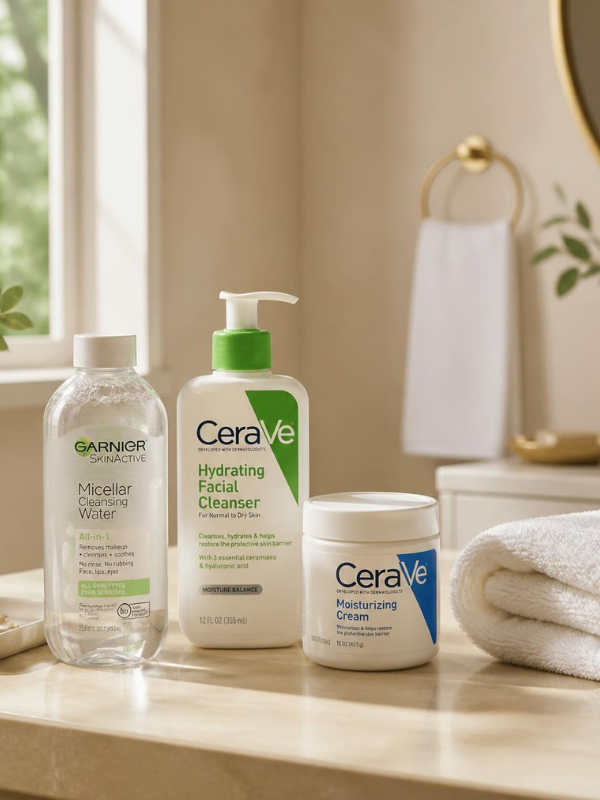
You do not need to make makeup removal complicated. A simple routine can look like this:
Remove → Cleanse → Rinse → Pat Dry → Moisturize
Start by removing eye and lip makeup gently. Then break down the rest of your face makeup with a suitable remover or cleansing balm.
Next, cleanse your face with a gentle cleanser and rinse with lukewarm water. Pat your skin dry with a clean towel and finish with moisturizer.
The entire process can become a quick habit once you get used to it. On nights when you are exhausted, focus on completing the essential steps rather than skipping everything.
Frequently Asked Questions
Can I remove makeup with just water?
Water alone may not effectively remove many makeup products, particularly waterproof or long-wearing formulas. A suitable makeup remover or cleanser can help dissolve and lift products more effectively.
Is it okay to use makeup wipes every day?
Makeup wipes can be convenient, but they may not be enough for thorough makeup removal. If you use them, avoid aggressively rubbing your skin and consider following with a gentle cleanser when appropriate.
Should I cleanse my face after removing makeup?
Cleansing after makeup removal can help remove any makeup residue, oil, sweat, and other buildup left on your skin. A gentle cleanser is usually enough for this step.
How do I remove waterproof mascara without irritating my eyes?
Use a makeup remover that is suitable for waterproof eye makeup. Hold a soaked cotton pad over your closed eye for a few seconds to help dissolve the mascara, then gently wipe it away. Avoid pulling or scrubbing the eye area.
Why does my skin feel dry after removing makeup?
Dryness can be caused by harsh cleansers, excessive rubbing, hot water, or cleansing too often. Try using gentler products, lukewarm water, and moisturizer after cleansing.
What is the gentlest way to remove makeup?
The gentlest approach is to use a suitable makeup remover, allow it time to dissolve the makeup, and wipe or rinse it away with minimal pressure. Follow with a gentle cleanser and moisturizer.
Learning to Remove Makeup Properly does not have to turn your nighttime routine into a long process. The biggest difference often comes from being gentle, giving your makeup remover enough time to work, and avoiding unnecessary rubbing.
Start with your eye and lip makeup, remove your face makeup, cleanse your skin, and finish with moisturizer. Pay attention to areas that are easy to miss, such as your hairline and jawline, and give your skin extra care if it is sensitive or prone to dryness.
Most importantly, do not feel like you have to scrub your skin until it feels squeaky clean. Your goal is clean, comfortable skin, not skin that feels stripped. A simple and consistent routine can help you remove your makeup thoroughly while keeping your skin feeling calm and cared for.
This Post Showed you How to Remove Makeup Properly Without Irritating Your Skin
You may also like: