Beautiful Freeform Locs Hairstyles for Your Natural Hair Texture
Freeform locs have a way of making natural hair look different from one person to another. Some people develop thick, chunky locs that create plenty of volume, while others have smaller sections that fall freely around the shoulders. You may even notice a few locs joining together as your hair grows, giving your overall look a shape you never planned. These differences are part of what makes freeform locs so interesting.
Your locs may look beautiful worn down, but sometimes you want to try something different. You might feel like pulling them away from your face, styling them into a bun, or adding a few accessories to change your look.
If you enjoy changing your hairstyle regularly, you can also find more inspiration in these stylish ways to wear locs.
The good thing is that you don’t have to retwist your roots or make your locs look perfectly uniform to enjoy different hairstyles. You can work with their natural thickness, length and direction to create looks that suit your everyday routine, special occasions and personal style.
From simple side-swept styles to beautiful updos, ponytails and decorative looks, there are plenty of ways to wear freeform locs. Some styles are better suited to mature, longer locs, while others can work with shorter hair.
If you are looking for inspiration, here are 25 beautiful freeform locs hairstyles to consider, along with practical ideas for styling and caring for your natural hair.
25 Beautiful Freeform Locs Hairstyles to Try
Freeform locs don’t have to be styled in complicated ways to look beautiful. Their natural texture already gives them plenty of character, so even a simple change in how you wear your hair can make a noticeable difference.
The hairstyles below include everyday looks, updos, braided styles and accessories. Some require longer locs, while others can be adapted to medium-length hair. The important thing is to choose a style that works with your loc thickness and doesn’t place unnecessary tension on your roots.
1. Long Freeform Locs With a Middle Part
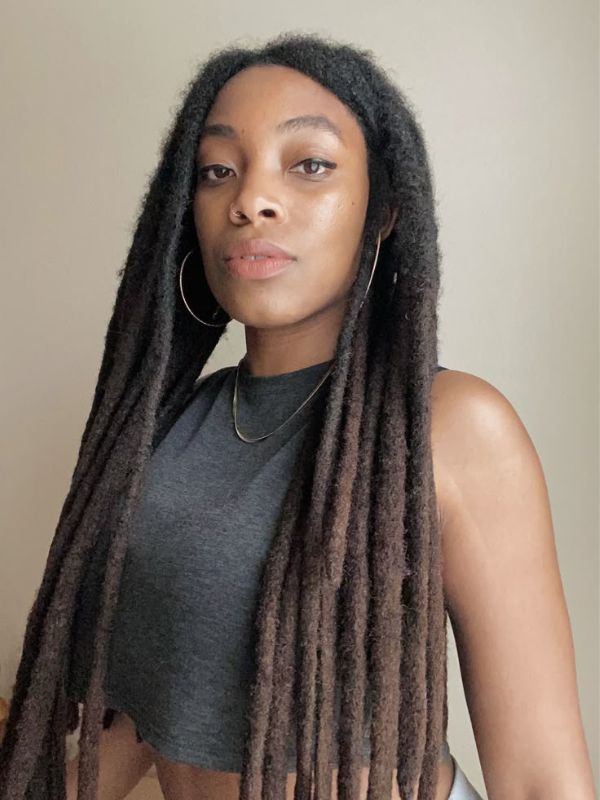
Long freeform locs with a middle part are a lovely choice when you want to wear your hair down while giving it a little definition around your face. The part creates two sections, allowing the locs to fall on either side and show off their natural length.
This hairstyle works particularly well with mature freeform locs that have enough length to fall over your shoulders. You don’t need every loc to sit at exactly the same level. In fact, the different lengths and thicknesses can make the hairstyle look more natural.
To create the look, gently guide your locs away from the centre of your forehead and allow them to fall on both sides. If your hair already has a natural part, you can work with it rather than forcing a new one.
A middle part is suitable for everyday wear, casual outings and occasions when you want your hair to remain loose. You can also add a few small gold cuffs to selected locs for a little decoration.
One thing to remember is that freeform roots may not separate into a perfectly straight line. That’s perfectly fine. You are creating a natural centre part, not trying to give your locs the appearance of freshly parted traditional locs.
2. Side-Parted Freeform Locs
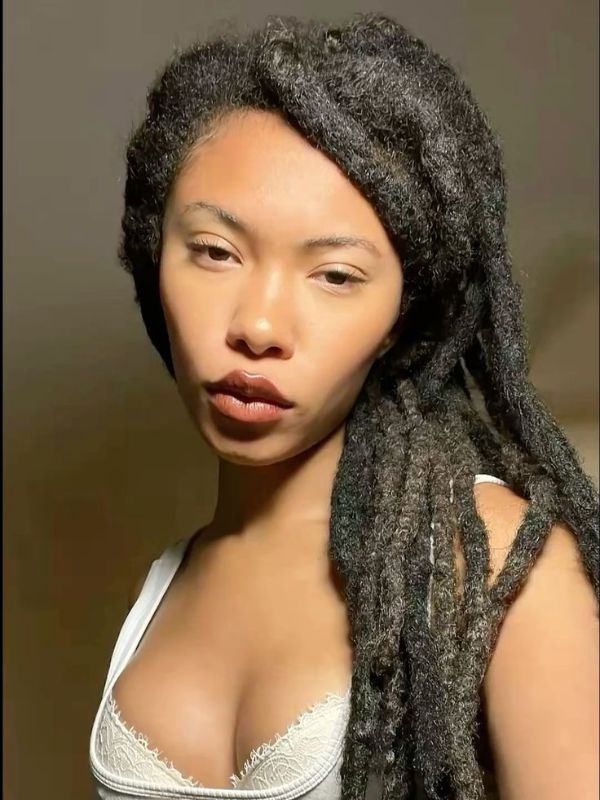
A side part gives freeform locs a different appearance without requiring you to gather or pin the hair. Instead of allowing your locs to fall evenly on both sides, you direct more of the hair toward one side of your head.
This can create a fuller appearance around one side of your face, particularly if you have thick or medium-sized locs. Longer locs may fall over one shoulder, while shorter ones create more volume around the sides.
To achieve the look, gently guide the locs toward your preferred side. You can use your fingers to move the sections into place, allowing the remaining locs to follow their natural direction.
If some of your locs keep falling forward, a small, comfortable hair pin can help hold a section in place. Avoid forcing the roots into a position that feels uncomfortable.
Side-parted freeform locs are a good option when you want something different from wearing your hair straight down. They also work nicely with decorative cuffs or a simple headband.
3. Side-Swept Freeform Locs
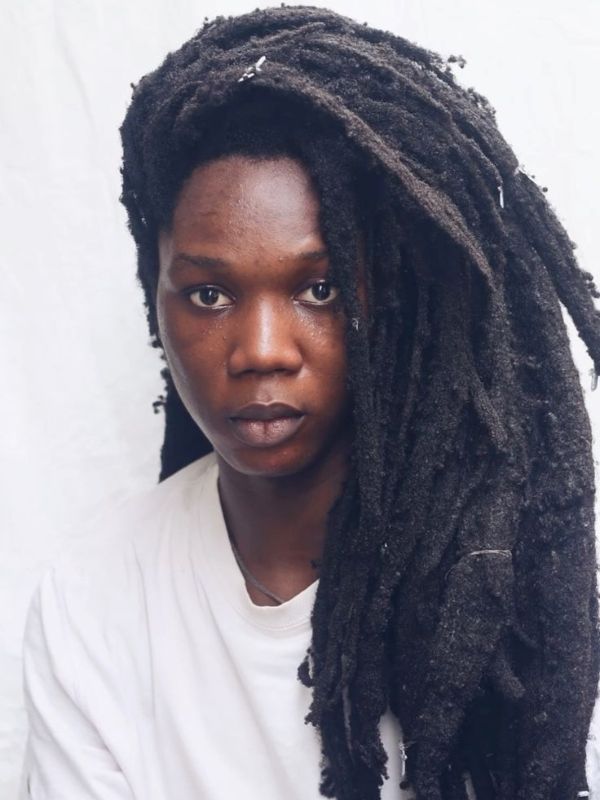
Side-swept freeform locs take the side-parted look a little further by directing most of the hair toward one shoulder. The result is a hairstyle that shows off the length and volume of your locs while keeping one side of your face more open.
This style is particularly attractive on long locs because their length creates a fuller appearance when gathered to one side. However, medium-length locs can also work if they naturally fall over your shoulder.
To style your hair this way, gently move the locs toward your preferred side. You can leave them loose or use a suitable decorative pin behind your ear to keep a few sections in place.
If you are attending a wedding, dinner or another special occasion, you can add a few small accessories to the side where your locs fall. Metallic cuffs or lightweight loc jewelry can give the hairstyle a more finished appearance.
The best part is that you don’t need to change the structure of your locs. You are simply changing how you wear them.
4. Half-Up, Half-Down Freeform Locs
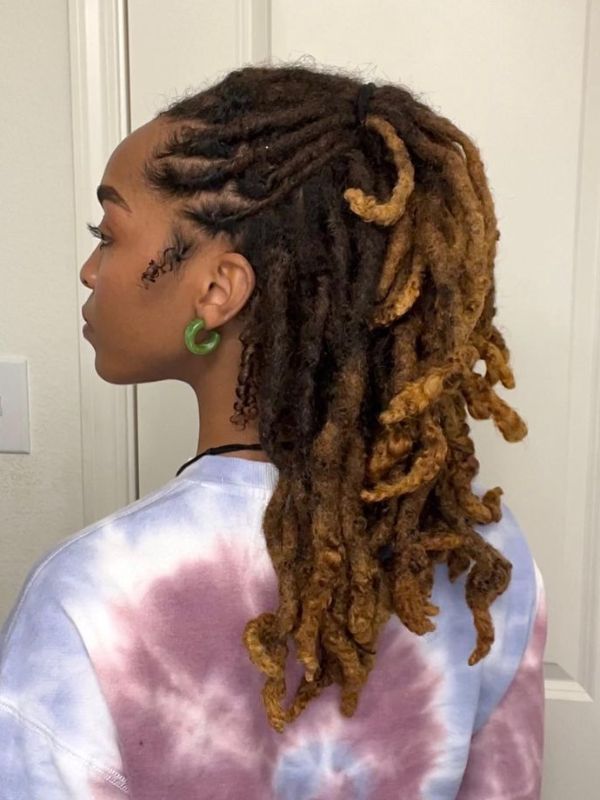
The half-up, half-down hairstyle is a lovely choice when you want to keep some of your locs away from your face without gathering all your hair.
It combines two different looks. The upper section is secured toward the back or crown, while the remaining locs fall freely around your shoulders.
To create the hairstyle, take a comfortable section of locs from the upper part of your head and gather them together. Secure the section with a soft hair tie, leaving the remaining hair loose.
You can keep the gathered portion as a simple ponytail or wrap it into a small bun. Both options work nicely, depending on your loc length and thickness.
This hairstyle is particularly useful when you are going out and want something a little different from your everyday loose locs. It also works for casual gatherings and photographs.
If you have thick freeform locs, avoid gathering too much hair into a small section. A larger, looser tie may be more comfortable and distribute the weight better.
5. Half-Up Freeform Locs With a Top Knot
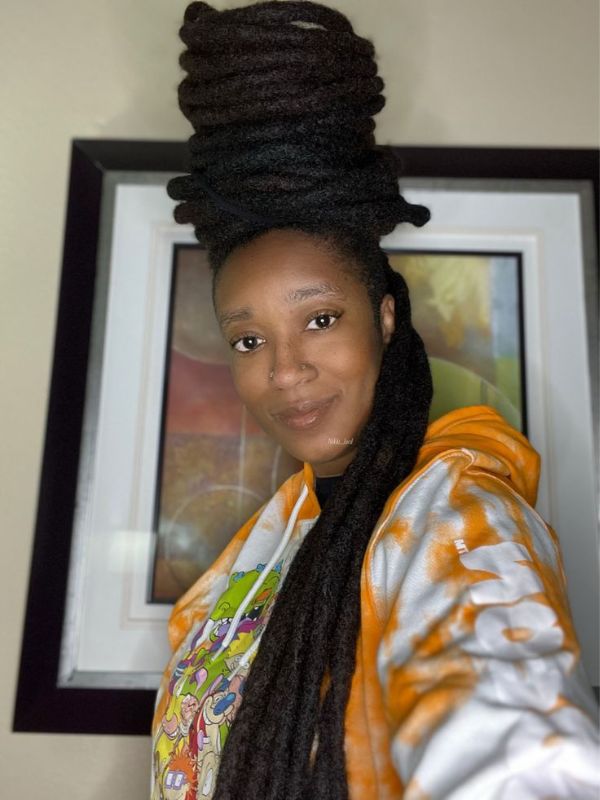
If you like the half-up, half-down look but want something more defined, try styling the upper section into a top knot.
This hairstyle brings the front and upper sections of your locs toward the crown, where they are secured into a small bun. The rest of your hair remains loose, creating a nice balance between an updo and a flowing hairstyle.
Start by gathering the locs you want to include in the top knot. Secure them gently, then wrap the lengths around the base to form a bun. You can use a suitable hair tie or hair pins to hold everything in place.
The size of your top knot will depend on how many locs you gather. If your locs are thick, a smaller section may be easier to secure. If they are finer, you can include more locs to create a fuller knot.
This is a lovely everyday hairstyle because it keeps the front of your hair away from your face while allowing you to enjoy the length of your locs.
Avoid pulling the gathered section tightly against your scalp. A comfortable top knot should not cause soreness or a pulling sensation.
6. High Ponytail With Freeform Locs
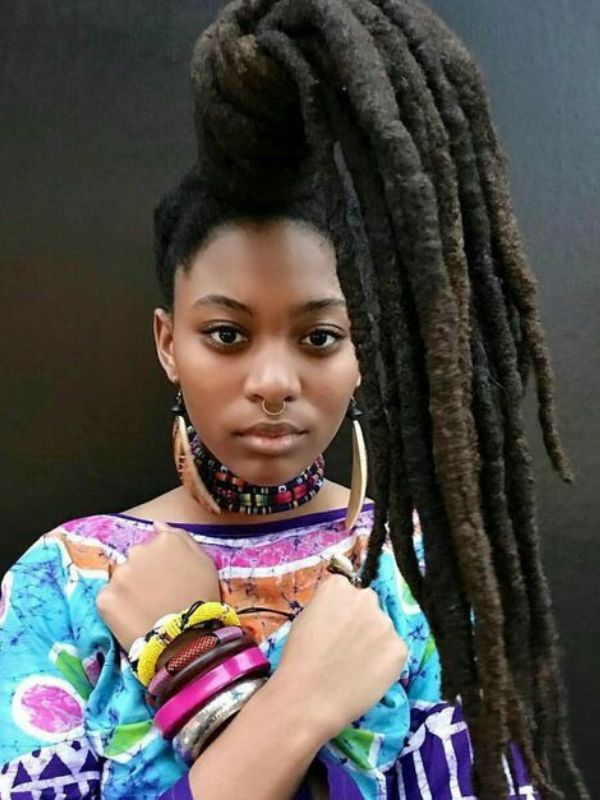
A high ponytail is a simple hairstyle that allows you to gather your locs toward the crown while leaving their lengths to fall freely behind your head.
It works best when your freeform locs are long enough to reach the top of your head comfortably. The finished look can be particularly full when you have thick locs or a lot of hair.
To create the ponytail, gently gather your locs and secure them with a strong, soft hair tie. Allow the locs to fall naturally rather than pulling them into a tightly controlled shape.
You can also wrap one loc around the base of the ponytail to conceal the hair tie, provided you can do so without putting additional tension on the roots.
This hairstyle is useful for warm days, casual outings and activities when you prefer keeping your hair away from your neck.
However, long locs can be heavy. If you feel pulling around your hairline or crown, loosen the ponytail or choose a lower position. There is no reason to sacrifice scalp comfort for a particular hairstyle.
7. Low Ponytail With Freeform Locs
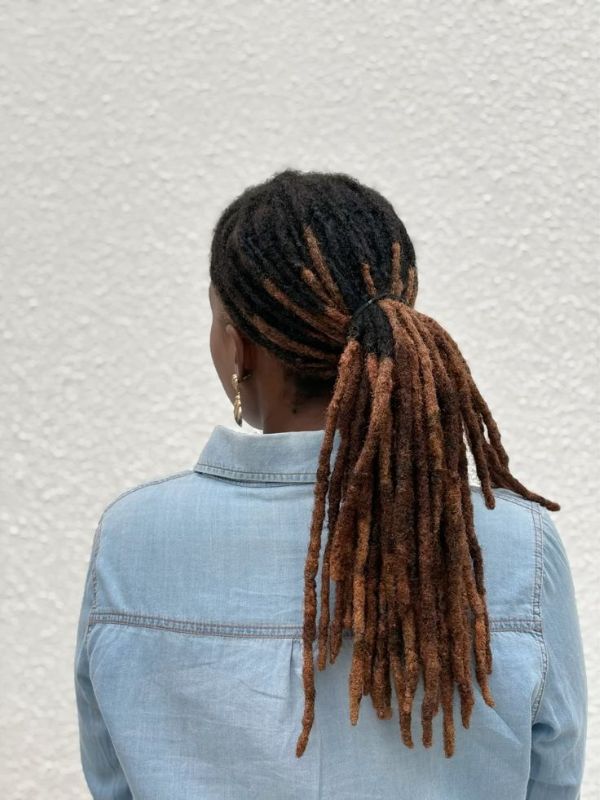
If a high ponytail feels uncomfortable or you prefer a more relaxed hairstyle, a low ponytail is a beautiful alternative.
Instead of gathering your locs toward the crown, you bring them together at the back of your head, closer to the nape of your neck. This creates a simple look that works nicely for everyday activities, work and casual occasions.
To style it, gently collect your locs toward the back and secure them with a soft hair tie. You can leave the ponytail hanging naturally or wrap a small section around its base.
Long locs create a fuller ponytail, while medium-length locs can give you a more compact appearance. If your locs have different lengths, some shorter sections may fall outside the ponytail. You can leave them loose rather than pulling them tightly into place.
A low ponytail is also a useful alternative when your locs feel too heavy for a high updo.
8. Low Side Ponytail With Freeform Locs
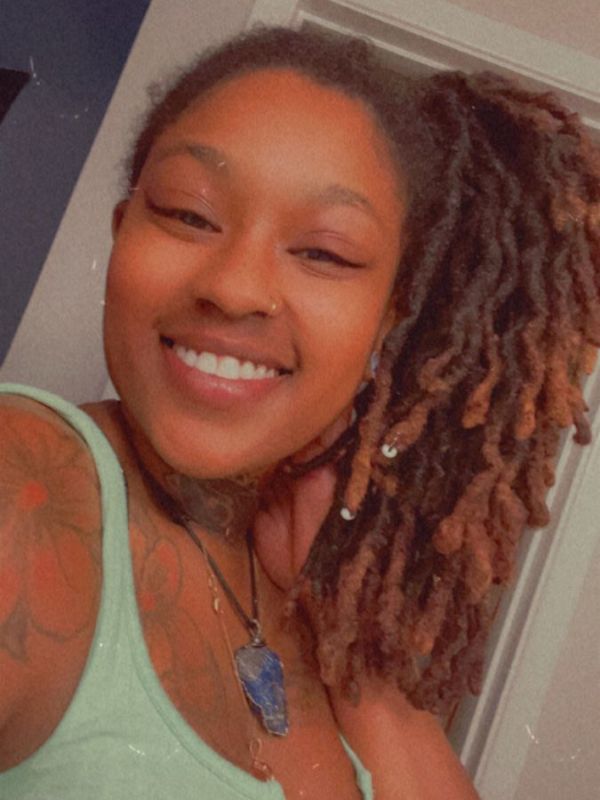
A low side ponytail gives the usual ponytail a different appearance by bringing the hair toward one side of the neck instead of securing it directly at the back.
This style works particularly well with medium-length and long freeform locs. It allows the hair to fall over one shoulder, making the length and natural texture more noticeable.
To create the look, gently guide your locs toward one side and secure them loosely below the ear or closer to the nape. You can leave the ponytail loose or use a decorative hair tie.
If you have thick locs, make sure the accessory can comfortably hold the gathered hair without squeezing it. A wide, soft hair tie may work better than a small elastic.
You can also leave a few locs loose around your face to soften the overall appearance.
The low side ponytail is a good option for days when you want to change your hairstyle without spending too much time on it.
9. High Bun With Freeform Locs
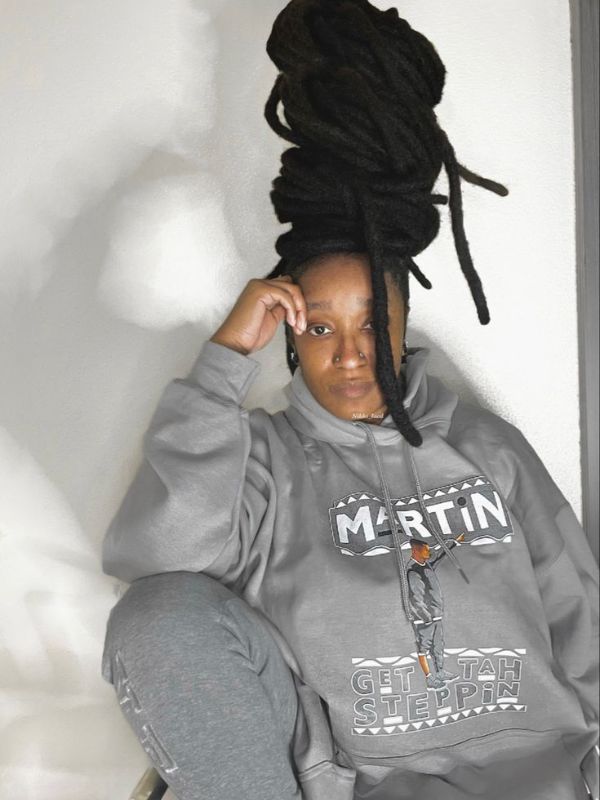
A high bun is one of the most recognisable updos for long locs. It brings the hair toward the crown and creates a fuller shape that keeps your locs away from your shoulders.
With freeform locs, the bun can look particularly interesting because the different thicknesses create natural texture. Some locs may sit outward, while others form the centre of the bun.
To style your hair, gather your locs toward the top of your head and secure them gently. Wrap the lengths around the base to create the bun, then use suitable hair pins or a large hair tie to keep everything in place.
You don’t need to make the bun perfectly round. Allowing the locs to retain their natural shapes can create a more relaxed appearance.
This hairstyle is suitable for long locs with enough length to wrap comfortably. If your hair is very thick, you may need a larger bun rather than trying to squeeze everything into a small shape.
Be mindful of the weight, particularly if you have mature locs. A high bun should not pull painfully against your roots.
10. Low Bun With Freeform Locs
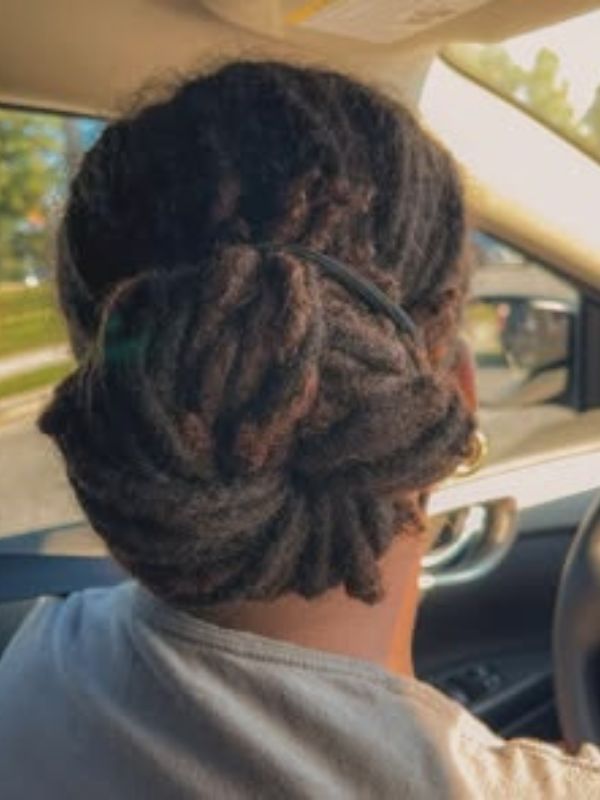
A low bun is a beautiful alternative to the high bun, especially if you prefer keeping your hairstyle closer to the nape of your neck.
The style has a relaxed appearance and can work for everyday wear as well as more formal occasions. It also gives you a way to keep long locs away from your shoulders without pulling them toward the crown.
To create the bun, gather your locs toward the back of your head and secure them loosely. Wrap the lengths around the base and use hair pins to hold the shape.
You can leave a few shorter locs around the sides if they naturally fall that way. This can make the hairstyle look softer without requiring you to manipulate the rest of your hair.
If your locs are particularly thick, a loose low bun may be more comfortable than a tightly secured updo.
For a more decorative finish, add a small hair pin or a few lightweight cuffs to selected locs.
11. Double Buns With Freeform Locs
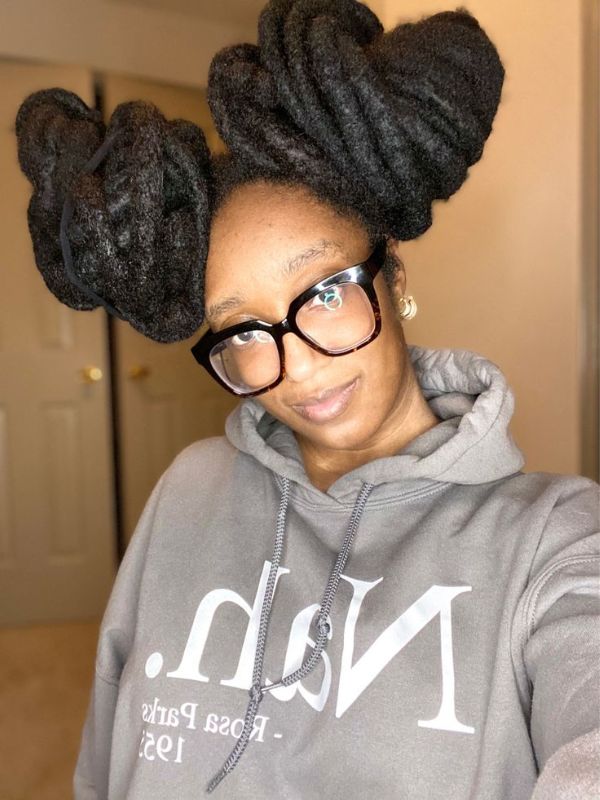
Double buns are a playful hairstyle that gives freeform locs a different silhouette. Instead of gathering all your hair into one bun, you divide it into two sections and create a bun on either side of your head.
This style is best suited to medium-length or long locs that can be gathered and secured comfortably.
To create it, divide your hair into two broad sections. Gather each section toward the upper sides of your head and wrap the lengths into separate buns. Secure them with suitable hair ties or pins.
For more classic styling ideas, take a look at these traditional locs hairstyles, including beautiful buns, ponytails, and elegant updos.
You don’t need to create perfectly identical buns. The natural variation in your loc thickness can make each side look slightly different, which adds to the character of the hairstyle.
Double buns are a nice choice for casual outings, festivals and days when you want something a little more playful.
If your locs are heavy, consider creating smaller sections and keeping the buns relatively loose. Avoid positioning them so tightly that they pull on your roots.
12. Half-Up Double Buns
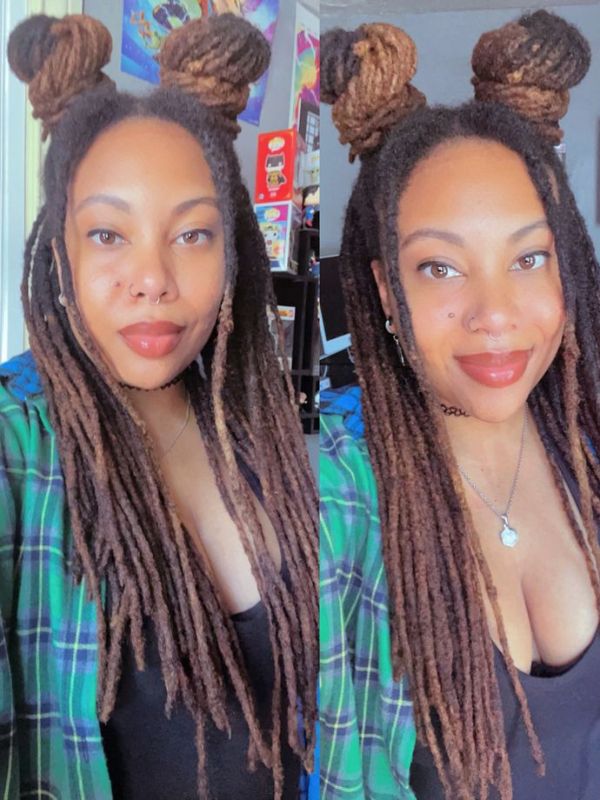
If you enjoy double buns but prefer leaving most of your locs loose, half-up double buns are worth trying.
This hairstyle uses two small buns at the upper part of your head while allowing the remaining locs to fall freely around your shoulders and back.
Start by dividing the upper section of your hair into two parts. Gather each section toward either side of the crown and create a small bun. Secure them comfortably, then leave the lower section loose.
This style works best with medium-length or long locs that have enough length to form small buns.
It can be a lovely option for casual outings, photographs or days when you want to keep some hair away from your face without wearing a full updo.
If your locs are thick, don’t try to fit too much hair into each bun. Smaller sections will be easier to secure and more comfortable to wear.
13. Freeform Locs Styled Into a Loc Hawk
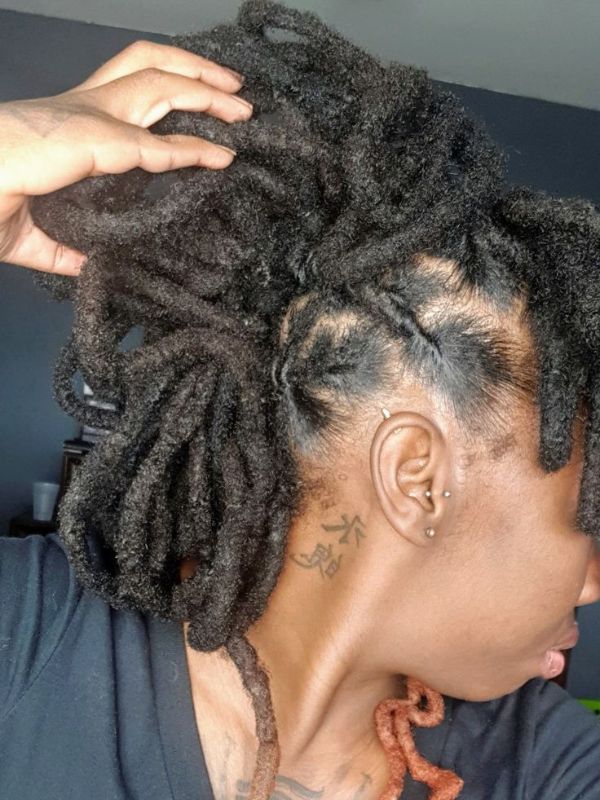
A loc hawk is a bold hairstyle that creates a mohawk-inspired shape without necessarily shaving the sides of your head.
The idea is to bring your locs toward the middle of your head while keeping the sides pinned or secured closer to the scalp. This creates a raised line of locs running from the front toward the back.
Longer locs make this style easier because they offer more length for securing the sections. However, medium-length locs can also work if they can be comfortably guided into position.
To create the look, gently direct the locs toward the centre and use suitable pins to hold the sides. Allow the middle section to retain its natural volume.
You can leave the locs loose along the centre or loosely secure some of them to create a more defined shape.
This is a good choice if you enjoy hairstyles that make a statement. Just be careful not to pull the side sections too tightly or force your roots into an uncomfortable position.
14. Side-Pinned Freeform Locs
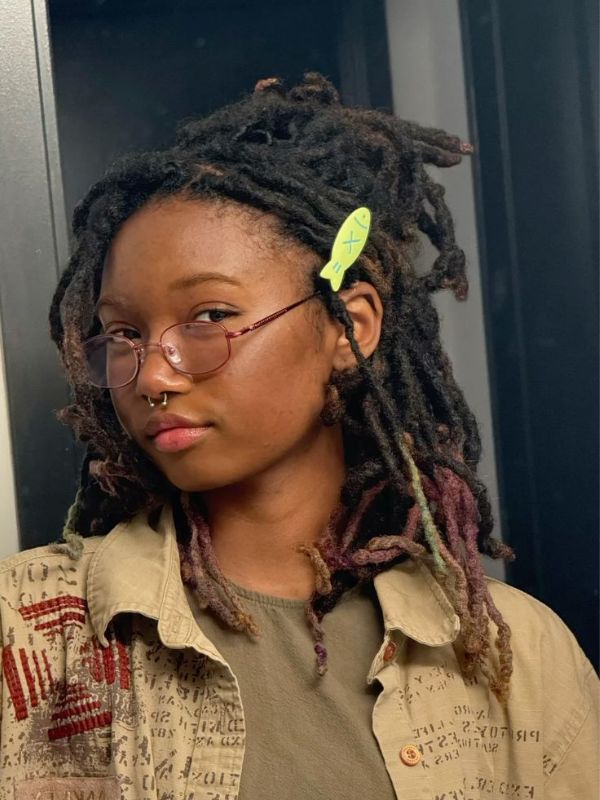
Side-pinned freeform locs are a simple way to create an asymmetrical hairstyle without gathering all your hair into a ponytail or bun.
The idea is to pin one side of your locs toward the back while allowing the other side to remain loose. This creates an open appearance around one side of your face and lets the remaining locs fall naturally.
You can use decorative hair pins, suitable clips or loc-friendly accessories to hold the section in place.
This hairstyle works with different loc lengths, although medium-length and long locs offer more room for styling.
If your locs are thick, choose pins that can hold the section comfortably. Avoid forcing small clips around large locs because this can cause snagging or unnecessary pressure.
Side-pinned locs are particularly useful when you want a hairstyle that looks more finished than simply wearing your hair down but doesn’t require a complicated updo.
15. Braided Freeform Locs
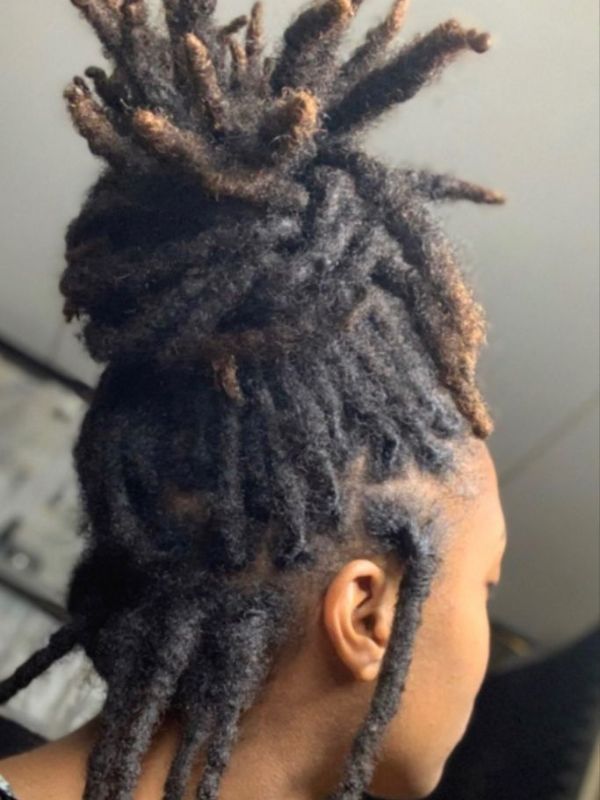
Braided freeform locs involve taking several existing locs and braiding them together to create a textured hairstyle. This is different from creating locs through braiding. In this case, the hair is already locked, and you are simply using a braid as a temporary styling technique.
You can braid two or three locs together, depending on their thickness and length. The finished style creates a more defined pattern that contrasts with the natural irregularity of your locs.
For example, you can braid a few locs on either side of your head and leave the rest loose. You can also braid a larger section toward the back to create a more noticeable design.
This style is best suited to mature locs that can be handled comfortably. If your locs are still developing, avoid manipulating them excessively.
Do not braid the locs tightly at the roots. The purpose is to create a temporary hairstyle, not to pull the hair into a fixed position.
16. Two-Strand Twisted Freeform Locs
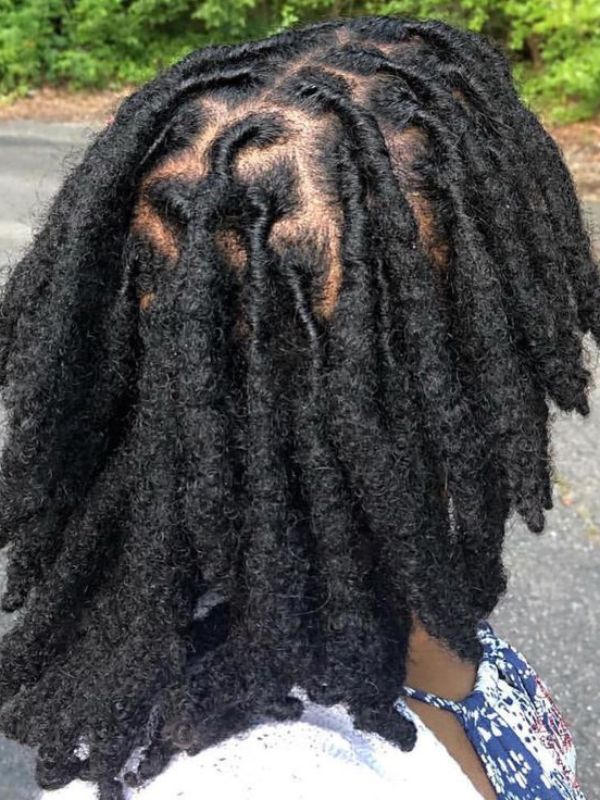
Two-strand twisted freeform locs are created by taking two existing locs and wrapping them around each other. This gives the hair a rope-like appearance and adds a different texture to your usual hairstyle.
It is important to understand that this is a temporary styling technique. You are not starting two-strand twist locs or changing your freeform locking method.
To create the look, select two locs of similar length and thickness. Cross one over the other repeatedly until you reach the ends. You can leave the twist hanging or secure the ends loosely if needed.
This style works particularly well with medium-length and long locs. You can create a few twists along the sides or style several sections together.
It is also a nice way to add interest to your hair without using many accessories.
When removing the twists, take your time. Avoid pulling the locs apart roughly, especially if they have become intertwined.
17. Freeform Locs Styled Into a Crown Updo
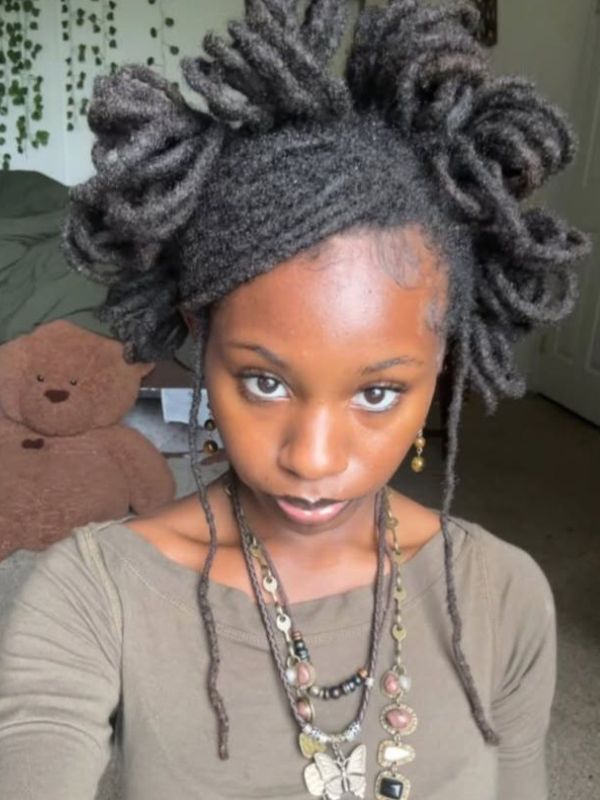
A crown updo brings the locs upward and around the head to create a hairstyle that frames the face. It is a lovely option for special occasions when you want your locs to look more dressed up.
The style can be created by gathering sections of locs and pinning them around the upper part of the head. You can leave the centre slightly raised or create a fuller shape with the gathered sections.
Long locs are generally easier to work with because they provide enough length to create the circular shape. Medium-length locs may also work, depending on their thickness.
A few decorative pins or lightweight cuffs can make the hairstyle more suitable for weddings, celebrations and formal gatherings.
The main consideration is how the weight is distributed. Avoid securing all your locs tightly around the same area of your scalp.
If the hairstyle feels heavy or uncomfortable, adjust the pins or choose a simpler updo.
18. Basket-Weave Freeform Loc Updo
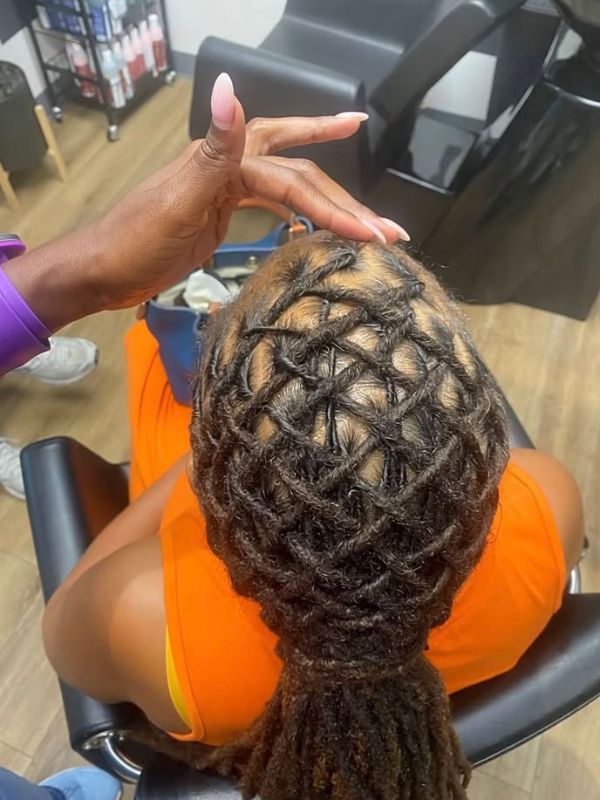
A basket-weave updo creates an overlapping pattern by bringing sections of locs across one another and securing them toward the back or crown.
It is a more detailed hairstyle than a simple bun, but the result can be beautiful, particularly when you have long, mature freeform locs.
To create the look, divide the hair into several manageable sections. Bring one section across another, allowing the locs to overlap in a loose woven pattern. Continue with the remaining sections until you have created the desired shape, then secure the ends with suitable hair pins.
Because freeform locs are not always the same thickness, the finished pattern may look slightly irregular. This is not a problem. You can work with the natural size differences rather than forcing every section into a uniform pattern.
This hairstyle is better suited to someone who has enough length and locs that can be handled comfortably.
If you are unsure how to create the pattern, an experienced loc stylist can help you achieve the look without excessive manipulation.
19. Loc Petal Updo
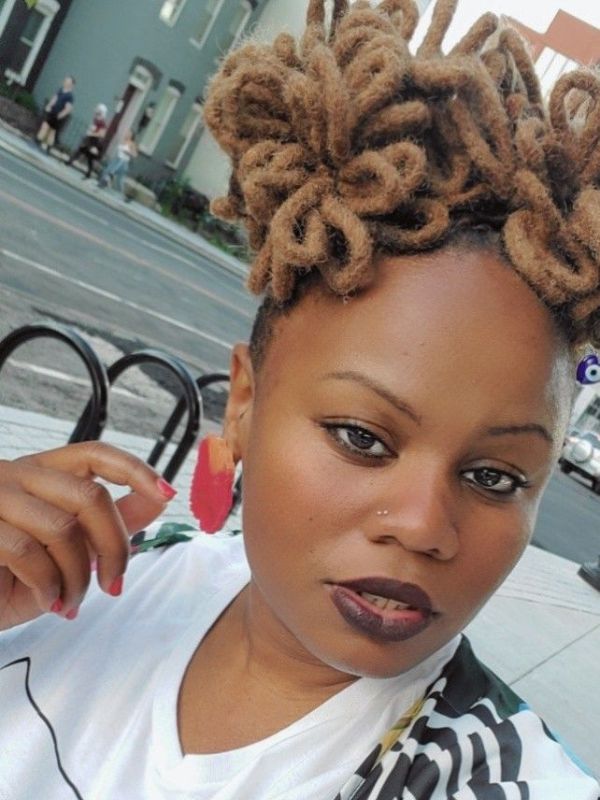
A loc petal updo creates several rounded sections that resemble petals arranged around the head. It is a decorative hairstyle that can be particularly attractive for weddings, celebrations and other special occasions.
To create it, sections of locs are folded into loose loops and secured with suitable hair pins. The loops are positioned around the crown or back of the head to create a flower-like appearance.
The size of the petals depends on your loc length and thickness. Longer locs give you more room to create larger loops, while shorter locs may work better with smaller sections.
This hairstyle looks particularly interesting when the locs have different thicknesses because the petals develop slightly different shapes.
You can add a decorative pin or a small accessory at the centre of the updo if you want a more finished appearance.
Because this style requires several sections to be pinned, make sure the pins are comfortable and do not press against your scalp.
20. Tucked and Rolled Freeform Locs
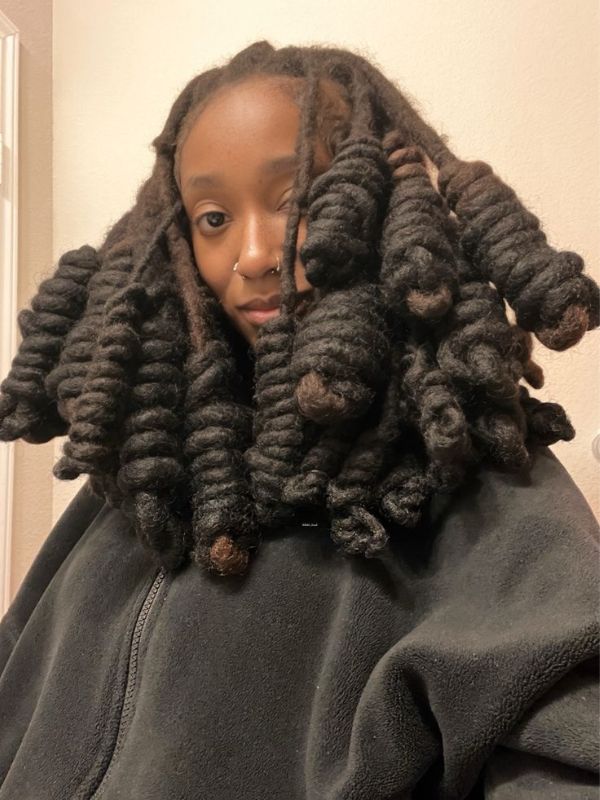
Tucked and rolled freeform locs are a neat updo option for anyone who wants to keep the lengths of their hair away from their shoulders.
The style involves gathering sections of locs toward the back and gently tucking the ends underneath to create a rolled appearance.
You can create one larger roll across the back of your head or several smaller rolls, depending on your loc length and the look you prefer.
This hairstyle works best with medium-length and long locs that have enough length to be folded comfortably.
It can be a useful option for work, special occasions and days when you want something more polished than a ponytail.
Use suitable hair pins to hold the sections in place, and avoid forcing thick locs into small spaces. Allow the rolls to remain loose enough to sit comfortably.
21. Freeform Locs With Wooden Beads
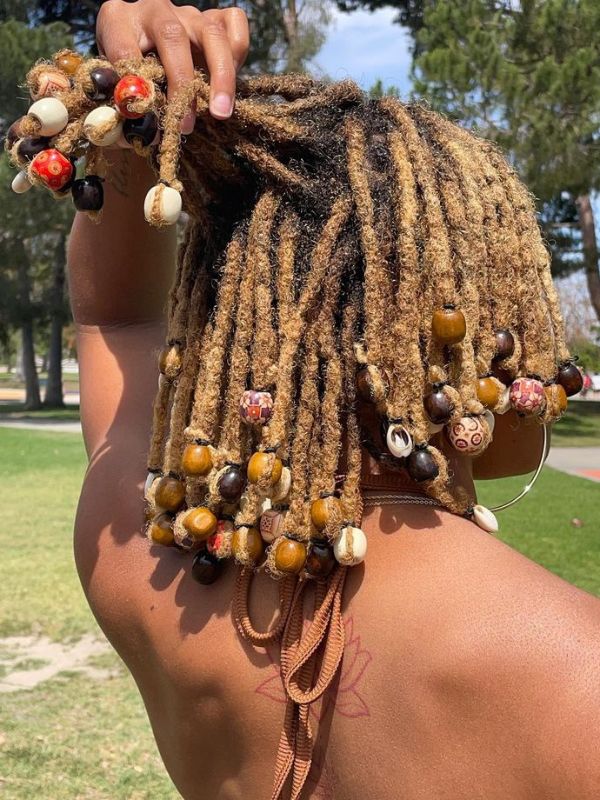
Wooden beads are a beautiful accessory for freeform locs, particularly if you enjoy natural-looking decorations that complement the texture of your hair.
They come in different shades, sizes and patterns. Some have a simple polished finish, while others feature carved details that make them more noticeable.
You can add beads to selected locs around the front, sides or ends. You don’t need to decorate every section. A few carefully chosen pieces can create a lovely contrast against dark locs.
Wooden beads work with loose hairstyles, ponytails and buns. They are also a nice option if you prefer accessories that don’t have a shiny metallic appearance.
Before using them, check the opening and make sure the bead fits comfortably around your loc. Smooth edges are important because rough surfaces can catch on the hair.
Also pay attention to weight. Large or heavy beads may pull on individual locs, especially if they are attached close to the roots.
22. Freeform Locs With Gold Cuffs
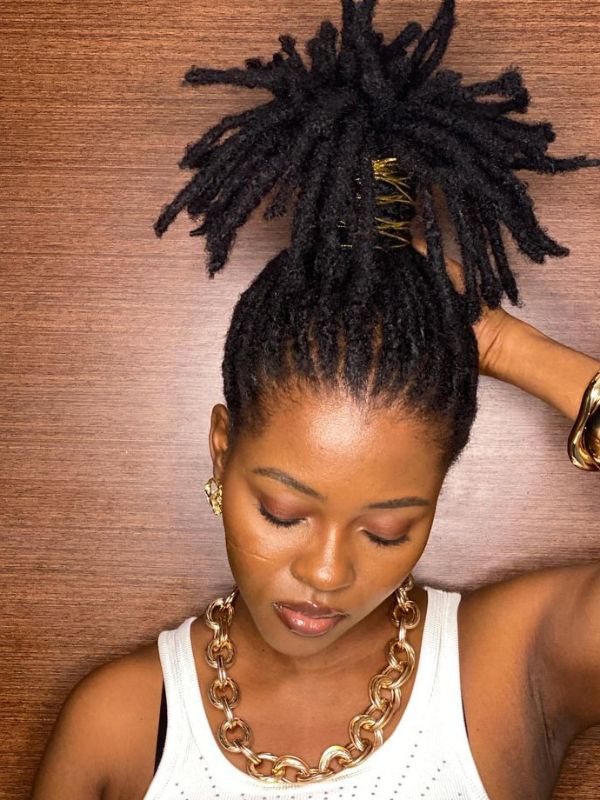
Gold cuffs are a lovely choice when you want to add a little shine to your freeform locs without changing the hairstyle itself.
Their metallic appearance creates a beautiful contrast against natural dark hair. You can use them with long locs worn down, side-swept styles, ponytails and updos.
For a simple look, place a few cuffs on selected locs around the front and sides of your head. You can also distribute them throughout your hair if you prefer a more decorative appearance.
Choose cuffs that fit the thickness of your locs. They should sit securely without squeezing the hair or leaving marks.
If you have particularly thick locs, look for larger accessories designed specifically for that size. Trying to force a small cuff onto a thick loc can damage the surface or make removal difficult.
Gold cuffs are especially lovely when paired with a simple outfit because they add detail without requiring an elaborate hairstyle.
23. Freeform Locs With a Fabric Headwrap
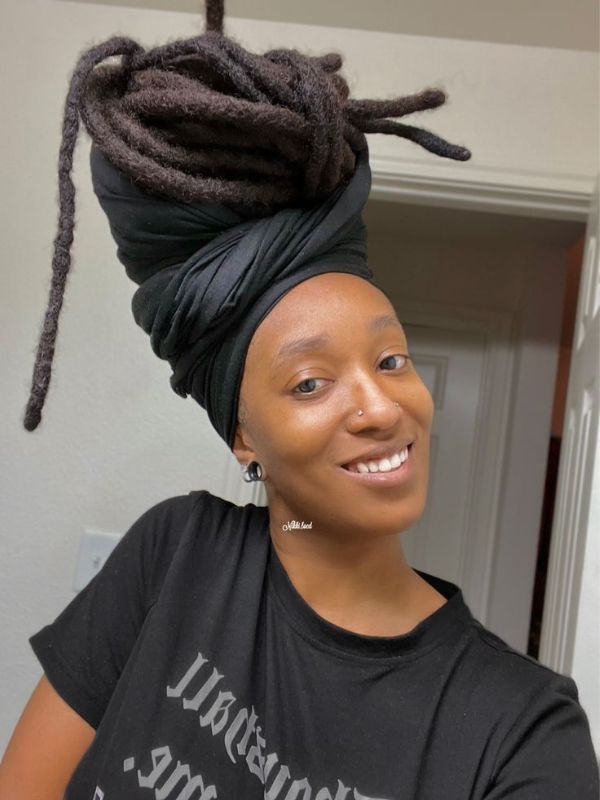
A fabric headwrap gives you a way to change your appearance while keeping your locs comfortably covered or partially visible.
You can choose plain fabrics, colourful prints, satin-lined wraps or African-inspired patterns, depending on your preference.
One way to wear a headwrap is to gather your locs underneath the fabric and tie it into a turban-style finish. You can also leave some locs visible around the front or back.
Another option is to wrap the fabric around the base of a bun, allowing the locs to remain visible above it.
Headwraps are useful for days when you don’t want to spend time styling your hair. They can also complement traditional outfits, casual clothing and more formal looks.
Make sure the wrap is not tied too tightly around your hairline. If you wear it for extended periods, choose a comfortable fabric and avoid repeated friction around delicate areas.
24. Freeform Locs With a Wide Headband
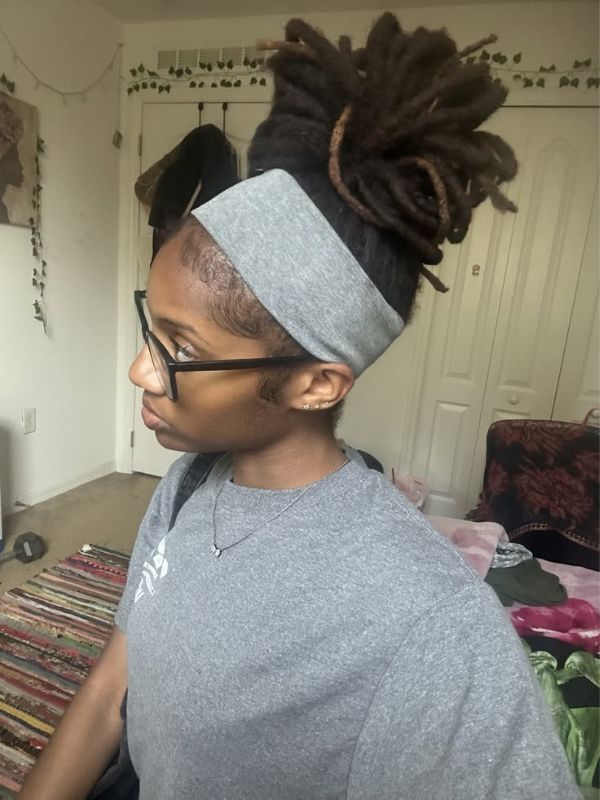
A wide headband is one of the easiest ways to change your freeform loc hairstyle without spending much time on it.
It works particularly well with short and medium-length locs, although longer locs can also be worn with a headband.
Simply position the band comfortably around your head, allowing your locs to fall behind it or around your shoulders. You can push the front sections backward or leave a few locs visible around your forehead.
Wide fabric headbands are available in different colours and patterns, so you can choose one that complements your outfit.
If your locs are at an early stage and tend to fall in different directions, a headband can help keep them away from your face without requiring you to twist or pin every section.
Avoid bands that are too tight or have rough edges that repeatedly rub against your hairline.
25. Natural Freeform Locs With a Side Undercut
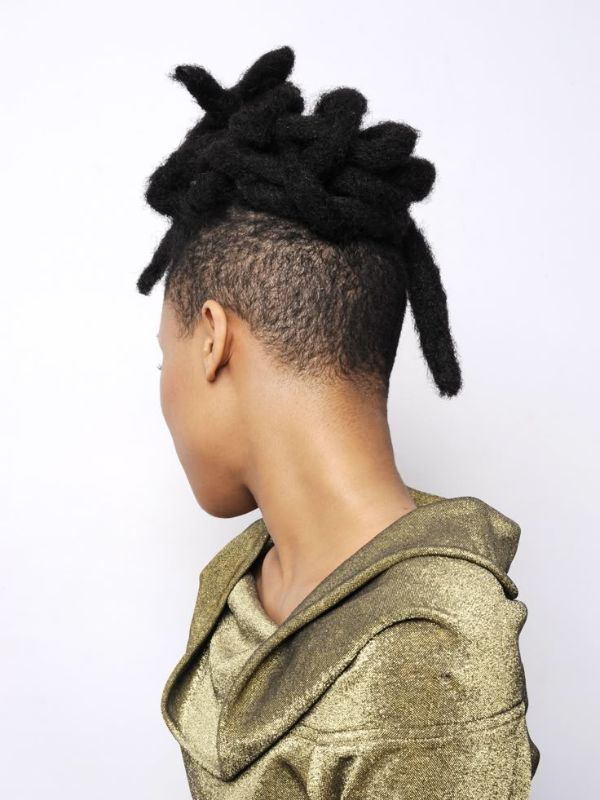
A side undercut offers a more distinctive way to wear freeform locs. It combines the natural texture and volume of your locs with a closely cut section on one side of the head.
The contrast between the shorter side and the remaining locs creates a noticeable shape. You can wear the longer locs down, sweep them across the head or gather them into a loose updo.
This look is different from a loc hawk because the side section is actually cut shorter rather than simply pinned toward the scalp.
It is best suited to someone who genuinely wants an undercut, since maintaining the look requires occasional trimming as the hair grows.
Before making the cut, consider how much hair you want removed and how the style will look when your locs are worn down or gathered.
You can discuss the shape with a stylist who understands locs and natural hair cutting. A carefully considered undercut can complement the natural volume of freeform locs without taking away from the rest of your hairstyle.
What Makes Freeform Locs Different From Other Loc Styles?
Freeform locs have a natural appearance that comes from allowing the hair to develop with little or no deliberate manipulation. Instead of regularly twisting the roots or maintaining perfectly defined sections, you give your hair room to form locs according to its natural growth and texture.
This doesn’t mean that every freeform set looks the same. Some people develop thick, chunky locs, while others have smaller sections with more space between them. You may also notice neighbouring locs joining together as your hair matures.
Understanding these differences is helpful, particularly if you are considering starting freeform locs or transitioning from another loc method.
Natural Loc Formation and Uneven Sizes
With freeform locs, uniformity is not the main goal. Your hair is allowed to develop naturally, so individual locs can have different thicknesses, shapes and lengths.
For example, you might have several thick locs around the back of your head and smaller ones around the front. Some may develop a rounded shape, while others look more irregular.
You may also notice two or more locs beginning to join together at their roots. This is commonly called congo-ing. Some people enjoy this natural development and allow the locs to merge, while others prefer to gently separate certain sections.
The choice depends on the appearance you want. If you prefer to maintain some separation, pay attention to neighbouring locs before they become firmly joined. Avoid pulling mature, joined locs apart aggressively because this can cause breakage.
The important thing to remember is that your freeform locs don’t have to match another person’s hair to look beautiful.
The Difference Between Freeform and Semi-Freeform Locs
Freeform and semi-freeform locs are often discussed together, but they involve different approaches to maintenance.
Fully freeform locs develop with little or no intentional manipulation to maintain individual sections. You allow the natural locking process to determine much of their appearance.
Semi-freeform locs involve some intentional maintenance. For example, you might occasionally separate neighbouring locs, maintain certain sections or have a stylist tidy selected areas while allowing the overall appearance to remain natural.
Someone who loves the organic appearance of freeform locs but doesn’t want every section to merge may prefer a semi-freeform approach.
Neither method is automatically better. The decision comes down to how much structure you want and how comfortable you are with the natural changes that happen as your locs grow.
Crowned in Locs explains this distinction further in its guide to the freeform loc method.
Freeform Locs Do Not Mean Neglecting Your Hair
This is one of the most important things to understand about freeform locs. Allowing your hair to develop naturally does not mean ignoring your scalp or leaving your locs unwashed.
You still need to cleanse your hair, pay attention to moisture, remove product residue and make sure your locs dry completely after washing.
The difference is that you are reducing the manipulation involved in shaping and maintaining the roots. Your hair still deserves the same attention to cleanliness and overall condition as other loc types.
Freeform Locs on Different Natural Hair Textures
Your natural hair texture can influence how your freeform locs develop. The way your strands curl, coil, tangle and shrink can affect the appearance of your locs as they mature.
However, you shouldn’t assume that everyone with the same curl pattern will develop identical locs. Hair density, strand thickness, starting length and individual growth patterns also matter.
Here are some things to understand about freeform locs on different natural hair textures.
Freeform Locs on 4A Hair
4A hair generally has a visible, spring-like coil pattern. The curls can form small loops, giving the hair a defined texture when it is moisturised and allowed to retain its natural shape.
When left to develop naturally, these coils can tangle and gradually form locs. The finished result can vary from smaller sections to thicker locs, depending on individual hair characteristics.
If you have 4A hair, pay attention to how your strands naturally clump together. Some areas might begin forming locs sooner than others, and you may notice different sizes developing across your head.
For styling, you can enjoy side parts, loose hairstyles, half-up styles and accessories once your locs have enough length and stability.
You don’t need to force your hair into a uniform pattern. Allowing the natural variation to develop is part of the freeform approach.
Freeform Locs on 4B Hair
4B hair generally has a tighter, more angular coil pattern. Its strands can bend in different directions, creating a naturally dense appearance.
Freeform locs on this texture can develop into different shapes and sizes. You may notice that some sections form thicker locs while others remain smaller.
Shrinkage is another consideration. Your hair may appear shorter than its actual length, especially during the early stages of the loc journey.
As the locs mature, you may have more room to experiment with hairstyles such as buns, ponytails, side-swept looks and braided loc styles.
The most useful thing is to understand your hair’s natural behaviour rather than constantly comparing its progress with someone else’s.
Freeform Locs on 4C Hair
4C hair has a tightly coiled structure and can have considerable shrinkage. The natural texture may not always show clearly defined curls, but it has plenty of character and can develop beautiful locs.
Depending on your density and strand characteristics, you may develop thick locs, smaller sections or a mixture of different sizes.
One thing you might notice is that your hair can appear shorter during the early stages, even as it continues to grow. This is why judging your progress only by visible length can be misleading.
As your locs mature, you can experiment with different ways of wearing them. Thick freeform locs can create beautiful buns, while smaller locs may offer more flexibility for braided styles and ponytails.
Accessories such as wooden beads, gold cuffs and lightweight loc jewelry can also complement the texture.
Remember that 4C hair doesn’t need to produce one particular type of loc to be considered beautiful. Your own hair characteristics will influence the result.
Can Looser Natural Hair Textures Form Freeform Locs?
Yes. Looser curl patterns can also develop freeform locs, although the process may look different.
Hair with looser curls may not naturally tangle and hold together as readily as tightly coiled hair. This can mean a longer period of developing sections and a different appearance during the early stages.
If you have a looser natural texture, patience is important. Your hair may go through periods when some sections look more defined than others.
It is also worth speaking with a stylist who understands different hair textures and loc methods before deciding how to approach your journey.
There is no single timeline that applies to everyone. Give your hair room to develop and avoid manipulating it constantly in an attempt to speed up the process.
Beautiful Freeform Locs for Different Hair Lengths
You don’t have to wait until your locs are long before enjoying different hairstyles. The best options depend on how much length you currently have and how comfortably your hair can be styled.
Some hairstyles are easier to create with mature locs, while others work beautifully with shorter hair.
Short Freeform Locs
Short freeform locs can have plenty of volume and personality. Rather than falling around your shoulders, they often create a fuller shape around the head.
If your locs are short, you can wear them naturally, try a wide headband or create a side-swept appearance if their length allows.
You can also experiment with a side undercut if you want a more distinctive look. However, this involves cutting part of your hair, so consider the long-term appearance before making that decision.
At this stage, don’t feel pressured to create buns or ponytails if your locs are not long enough. Allowing them to develop naturally can be just as attractive.
Medium-Length Freeform Locs
Medium-length locs give you more room to experiment. Depending on their thickness, you may be able to create half-up styles, side ponytails, small buns and braided sections.
You can also use accessories to change the appearance of your hair without doing much manipulation.
One thing to remember is that not all your locs will necessarily reach the same length. Some may fall around your shoulders, while others remain shorter.
Instead of pulling every section into a tight hairstyle, work with the lengths you have. Leaving a few shorter locs loose can give the finished look a relaxed appearance.
Long Freeform Locs
Long freeform locs offer more styling possibilities, particularly when you enjoy wearing your hair up.
You can try high buns, low buns, double buns, crown updos, braided sections and several ponytail variations.
Long locs also provide more room for decorative accessories. Wooden beads, gold cuffs and loc jewelry can all add detail to your hairstyle.
However, length and thickness can make your locs heavy. This is important when choosing an updo because gathering all your hair into one position can place additional weight on your roots.
A comfortable low bun may be a better choice than a very high, tightly secured hairstyle. Pay attention to your scalp and change your hairstyle if you experience pulling or discomfort.
How to Style Freeform Locs Without Losing Their Natural Appearance
One of the things that makes freeform locs appealing is that you don’t need to change their natural structure to enjoy different hairstyles. You can experiment with different looks while allowing your locs to retain their individual shapes and textures.
The trick is to work with your hair rather than forcing it into styles that require too much manipulation.
Work With the Natural Direction of Your Locs
Before choosing a hairstyle, pay attention to how your locs naturally fall. Some might move toward the back of your head, while others fall around your forehead or shoulders.
You can use these natural directions to create side-swept hairstyles, loose updos and ponytails without pulling every section into an uncomfortable position.
For example, if most of your locs naturally fall toward the left side, you can create a side-swept hairstyle by gently guiding the remaining sections in that direction.
You don’t need to force a perfectly straight part or make every loc sit at the same angle. The natural variation is part of the appearance you are trying to maintain.
Choose Accessories That Fit Your Loc Thickness
Accessories can make a simple hairstyle look different, but choosing the right size is important.
A bead designed for small locs may not fit thicker sections comfortably. Similarly, a decorative cuff that is too loose may slide around and catch on neighbouring locs.
Before purchasing accessories, check their openings and fastening mechanisms. Choose pieces that fit without squeezing your locs or requiring you to force them into place.
It is also worth considering their weight. A few lightweight beads may be comfortable, but several heavy accessories can place unnecessary strain on individual locs.
Avoid Excessive Pulling and Tight Hairstyles
You can create beautiful updos without pulling your locs tightly against your scalp.
Repeated tension from tight ponytails, buns and other hairstyles can contribute to traction alopecia, a form of hair loss caused by prolonged or repeated pulling on the hair follicles.
The American Academy of Dermatology specifically identifies tightly secured locs, buns and ponytails as hairstyles that can contribute to this problem. American Academy of Dermatology+1
If you notice soreness, stinging or discomfort after styling, loosen your hair. You should not have to tolerate pain to keep a hairstyle in place.
It is also helpful to change your hairstyles occasionally instead of pulling the same sections in one direction every day.
Keep Styling Simple
Not every freeform hairstyle needs to involve several accessories, pins or complicated updos.
You can wear your locs down, move a few sections away from your face or use a headband when you want something different.
If you enjoy experimenting, try one change at a time. You might discover that a simple side part or a low ponytail is more comfortable and flattering than an elaborate hairstyle.
The aim is to enjoy your locs while keeping your styling routine manageable.
How to Care for Freeform Locs and Keep Them Healthy
Freeform locs require less manipulation than locs that are regularly retwisted, but they still need proper care. Your scalp continues to produce natural oils, and your locs can collect sweat, dirt and product residue.
Keeping your hair clean, allowing it to dry properly and paying attention to your roots are important parts of maintaining healthy locs.
Wash Your Freeform Locs Regularly
Washing is one of the most important parts of your loc-care routine. You should not avoid shampooing simply because you want your hair to lock naturally.
Your scalp needs cleansing, particularly if you exercise regularly, sweat frequently or use styling products.
Choose a shampoo that suits your scalp and rinses cleanly. Apply it to your scalp using your fingertips, gently working through the roots. Allow the shampoo to pass through the lengths of your locs before rinsing thoroughly.
Thicker locs may require additional attention during rinsing because product can remain trapped within densely packed sections.
Your washing frequency should depend on your scalp, lifestyle and product use. If you notice excessive oiliness, sweat or build-up, it may be time to wash your hair.
Avoid using excessive amounts of heavy shampoo or styling products that leave residue behind.
Keep Your Scalp Comfortable
A comfortable scalp is an important part of maintaining your freeform locs.
If you experience dryness, itching or irritation, consider whether your shampoo, styling products or washing routine could be contributing to the problem.
You can use a lightweight scalp moisturising product if your scalp needs it, but avoid assuming that applying more oil will automatically solve dryness.
Heavy oils and thick creams can accumulate around your roots and inside your locs, particularly when used excessively.
If you experience persistent itching, redness, scaling or soreness, seek advice from a dermatologist rather than continuing to experiment with different products.
Allow Your Locs to Dry Completely
Drying deserves as much attention as washing, particularly if you have thick or long freeform locs.
Locs can hold moisture within their densely packed sections. The outer surface might feel dry while the inside is still damp.
After washing, gently squeeze excess water from your locs using a clean towel. You can use a suitable hair dryer or hooded dryer to help remove moisture, following the manufacturer’s safety instructions.
Give thicker locs additional drying time, especially around the roots and back of your head.
Avoid tying your hair into a bun or covering it tightly while it is still wet. Leaving moisture trapped inside your locs for extended periods can contribute to mildew and unpleasant odours.
The British Association of Dermatologists recommends developing a suitable cleansing routine and thoroughly drying locs after washing. British Association of Dermatologists+1
Pay Attention to Your Loc Roots
Your roots deserve attention even when you are following a low-manipulation routine.
Look out for thinning, weak sections, excessive shedding and locs that appear to be pulling away from your scalp.
If you notice neighbouring locs joining and you prefer to keep them separate, you can discuss gentle separation with an experienced loc stylist.
Avoid pulling mature locs apart aggressively. If two sections have become firmly joined, separating them without the right technique can cause damage.
You should also pay attention to how your hairstyles affect your roots. If your hair feels heavy or uncomfortable after wearing a bun or ponytail, choose a looser alternative.
Avoid Heavy Product Build-Up
One mistake that can make loc care difficult is using too many products.
Heavy creams, waxes and thick butters may leave residue that becomes difficult to remove from locs. This is particularly important when your hair has different thicknesses and densely packed sections.
Instead of applying several products in the hope of making your locs softer or shinier, keep your routine simple.
Start with a suitable shampoo and use a lightweight moisturising product when necessary. Pay attention to how your hair responds before introducing anything else.
If you notice visible residue, an unusual coating or persistent dullness, review your product use and cleansing routine.
Clean locs with a comfortable scalp are more important than having numerous products in your hair.
Common Mistakes to Avoid
Although freeform locs allow you to enjoy a more natural approach to your hair, there are a few mistakes worth avoiding.
Assuming freeform locs do not need washing: Your hair still needs regular cleansing. Allowing your locs to develop naturally does not mean ignoring scalp hygiene.
Expecting every loc to have the same thickness: Freeform locs naturally develop different shapes and sizes. Trying to make every section uniform defeats the purpose of allowing your hair to develop organically.
Using too many heavy products: Excessive product application can create build-up inside your locs. Keep your routine simple and avoid applying products without a clear reason.
Pulling your locs into tight hairstyles: High buns and ponytails can place tension on your roots, particularly when your hair is long and heavy. Choose comfortable styles and give your scalp breaks.
Separating locs aggressively: If neighbouring locs begin joining, don’t pull them apart forcefully. Discuss the best approach with a knowledgeable stylist if you want to maintain separate sections.
Comparing your early locs with mature freeform locs: Your hair needs time to develop. The appearance of your locs during the early stages will naturally differ from how they look after several years.
Leaving your locs damp for too long: Make sure your hair dries completely after washing, particularly if you have thick locs.
Frequently Asked Questions
Can Freeform Locs Look Feminine and Stylish?
Absolutely. Freeform locs can be styled in many beautiful ways, depending on your preferred appearance and hair length.
You can wear them loose, create a half-up hairstyle, try a low bun or add accessories such as wooden beads and gold cuffs.
You don’t need perfectly uniform locs to create an attractive hairstyle. Their natural shapes and different thicknesses can make your overall look more distinctive.
How Long Does It Take Freeform Locs to Mature?
There is no fixed timeline for freeform locs to mature. The process depends on your natural hair texture, density, strand characteristics, starting length and how your hair naturally tangles.
Some people notice their hair forming more defined sections relatively early, while others experience a longer period of loose hair and developing tangles.
The best approach is to give your hair time and avoid comparing your progress with someone else’s.
Can I Style My Freeform Locs Into a Bun?
Yes. You can style freeform locs into high buns, low buns, double buns and loose updos once they have enough length to be gathered comfortably.
Thicker locs may create fuller buns, while smaller locs can give you more flexibility when styling.
The main consideration is weight. Avoid pulling your locs tightly toward the crown, especially if they are long or heavy.
Do Freeform Locs Need Retwisting?
Fully freeform locs generally do not require regular retwisting because the hair is allowed to develop naturally without maintaining uniform roots.
However, you can still receive professional help with your hair. A stylist can assess your scalp, discuss weak roots and help you manage unwanted joining if that is part of your preferred approach.
People who prefer semi-freeform locs may choose occasional maintenance to preserve certain sections.
Can I Wear Beads and Accessories in Freeform Locs?
Yes. Beads, gold cuffs, decorative rings and wooden accessories can complement freeform locs beautifully.
Choose pieces that fit your loc thickness without squeezing the hair. Lightweight accessories are generally more comfortable, particularly if you plan to wear them regularly.
You can decorate selected locs rather than adding accessories to every section. This allows the natural texture to remain visible.
Are Freeform Locs Suitable for 4C Hair?
Yes. People with 4C hair can grow freeform locs. The tightly coiled texture can influence how the hair naturally tangles and develops.
Your finished locs may be thick, small or a mixture of different sizes, depending on your individual hair characteristics.
There is no requirement for your locs to look a particular way simply because you have 4C hair.
Can Freeform Locs Be Washed Regularly?
Yes. Freeform locs should be washed as part of a suitable hair-care routine.
Your scalp continues to produce natural oils and shed dead skin cells even when your hair is locked. Regular cleansing helps remove sweat, dirt and product residue.
Use a suitable shampoo, rinse thoroughly and allow your locs to dry completely. Adjust your washing frequency according to your scalp and lifestyle.
Can a Stylist Help Me Maintain Freeform Locs?
Yes. A stylist who understands freeform locs can help you assess your hair, discuss scalp-care concerns and address problems such as unwanted joining or weak sections.
You don’t need to follow a regular retwisting schedule to benefit from professional guidance.
When choosing a stylist, look for someone with experience working with naturally developing locs. Explain that you want to preserve their natural appearance so that any recommendations respect your preferred approach.
Summary
Freeform locs have a beauty that comes from allowing your natural hair to develop its own character. The different sizes, shapes and textures make every set unique, and you don’t have to make your locs look perfectly uniform to enjoy wearing them.
From middle-parted styles and side-swept locs to braided updos, double buns and decorative accessories, there are plenty of ways to change your appearance as your hair grows.
The most important thing is to choose hairstyles that work with your loc length and feel comfortable on your scalp. Take care of your roots, wash your hair regularly and give your locs time to develop.
You don’t have to copy another person’s loc journey. Enjoy your natural texture, experiment with styles you love and allow your freeform locs to reflect your own personal style.
This Post Showed You Beautiful Freeform Locs Hairstyles for Your Natural Hair Texture.
2 Comments