
Keeping your skin soft and smooth does not have to mean having a shelf full of skincare products or following a complicated routine. Simple habits such as cleansing gently, moisturizing regularly, protecting your skin from the sun, and avoiding things that strip away moisture can make a noticeable difference. If your skin often feels dry, rough, tight, or uneven, a few consistent changes can help you maintain soft and smooth skin and support a healthier-looking skin barrier.
Soft, smooth skin usually comes from keeping the skin clean, hydrated, protected, and properly moisturized. Your routine does not need to be complicated. In fact, using too many products or harsh treatments can sometimes make your skin feel worse.
Here are some of the most helpful habits to add to your everyday routine.
1. Cleanse Your Skin Gently
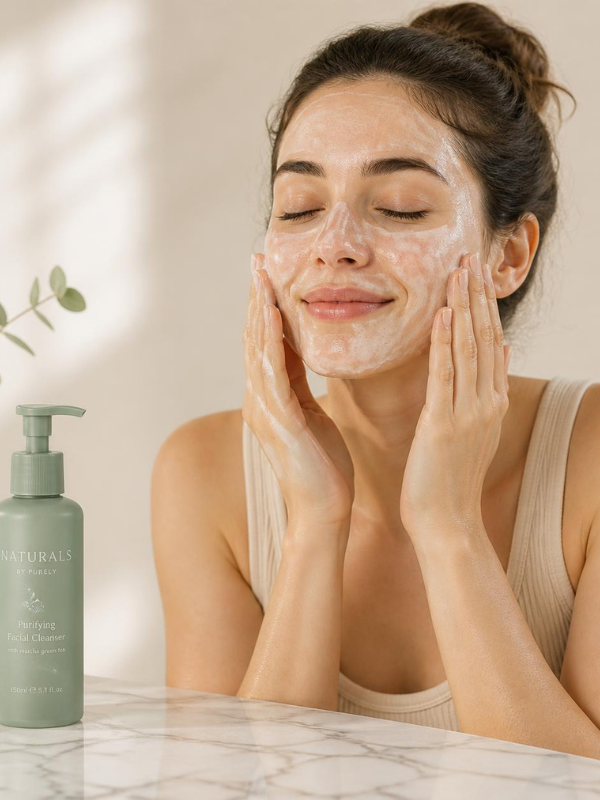
Cleansing helps remove sweat, dirt, excess oil, sunscreen, and other buildup from the skin. However, the way you cleanse matters.
Using a harsh cleanser or scrubbing your skin aggressively can leave it feeling tight and uncomfortable. Some cleansers can remove too much of the skin’s natural oil, which may contribute to dryness and roughness.
Choose a gentle cleanser that works for your skin type. When cleansing your face, use your fingertips rather than rough washcloths or scrubbing tools. Massage the cleanser gently over your skin and rinse thoroughly.
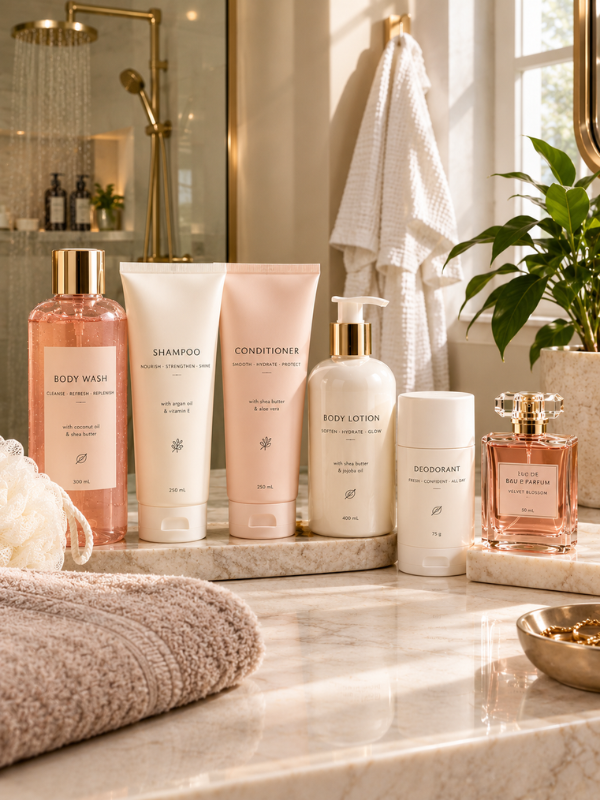
Your body can also benefit from gentle cleansing. You do not need to scrub your skin forcefully to make it feel clean. A gentle wash is usually enough for everyday bathing.
2. Use Lukewarm Water Instead of Very Hot Water
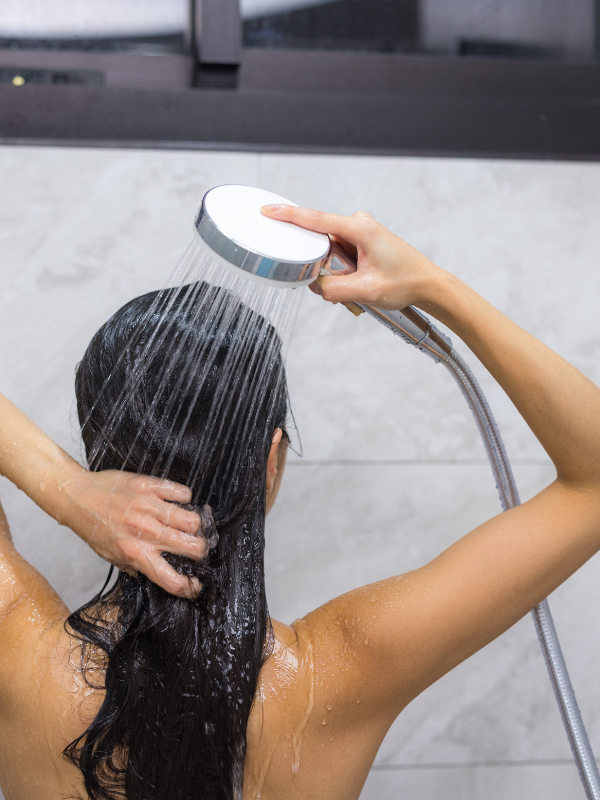
A long, hot shower can feel relaxing, especially after a busy day, but very hot water can leave your skin feeling dry.
High water temperatures can remove some of the oils that naturally help keep your skin comfortable and moisturized. If your skin tends to feel tight after bathing, try lowering the temperature.
Lukewarm water is a better choice for everyday showers and baths. You should also avoid spending an unnecessarily long time in the shower.
After bathing, gently pat your skin dry with a towel instead of rubbing it vigorously. Leaving a little moisture on the skin before applying moisturizer can also help with hydration.
3. Exfoliate Without Overdoing It
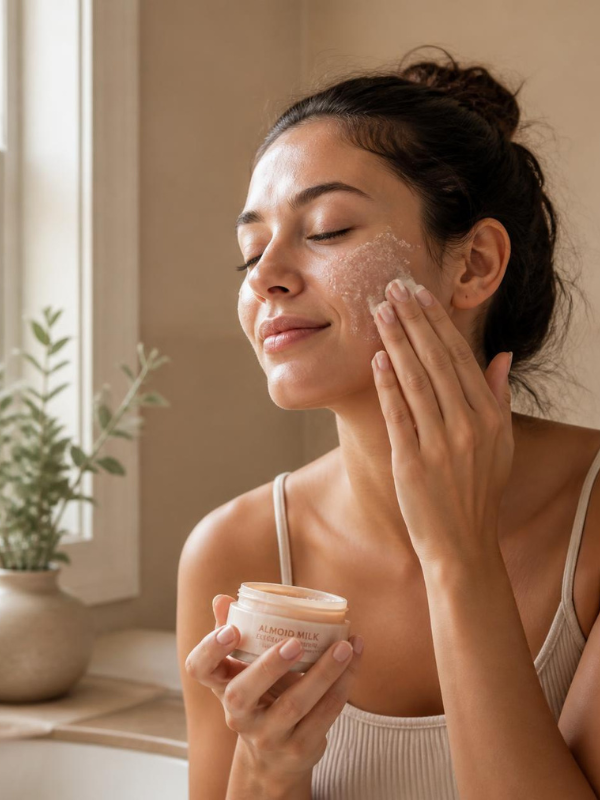
Exfoliation can help remove dead skin cells from the surface of your skin, leaving it feeling softer and looking smoother. This can be especially helpful when your skin feels rough or dull.
There are different types of exfoliation. Physical exfoliators use particles or tools to remove dead skin cells, while chemical exfoliators use ingredients such as lactic acid or other exfoliating acids.
The important thing is not to overdo it.
Exfoliating too frequently or using a very harsh scrub can irritate the skin and damage its protective barrier. Instead of trying to scrub away every rough patch, start gently and pay attention to how your skin responds.
If your skin becomes red, irritated, unusually dry, or uncomfortable after exfoliating, give it a break and simplify your routine.
4. Moisturize While Your Skin Is Still Damp
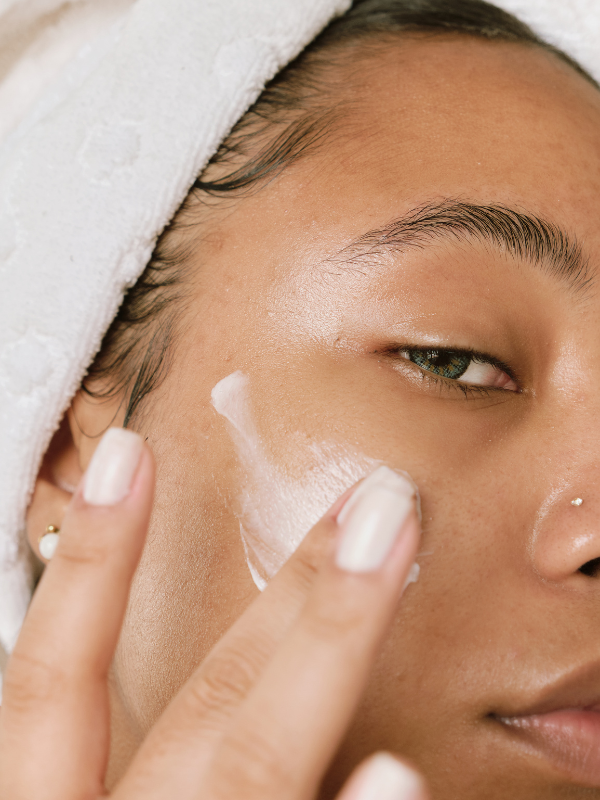
One of the easiest ways to maintain soft and smooth skin is to moisturize consistently.
After cleansing or bathing, gently pat your skin with a towel and apply moisturizer while the skin is still slightly damp. This helps reduce moisture loss and leaves the skin feeling more comfortable.
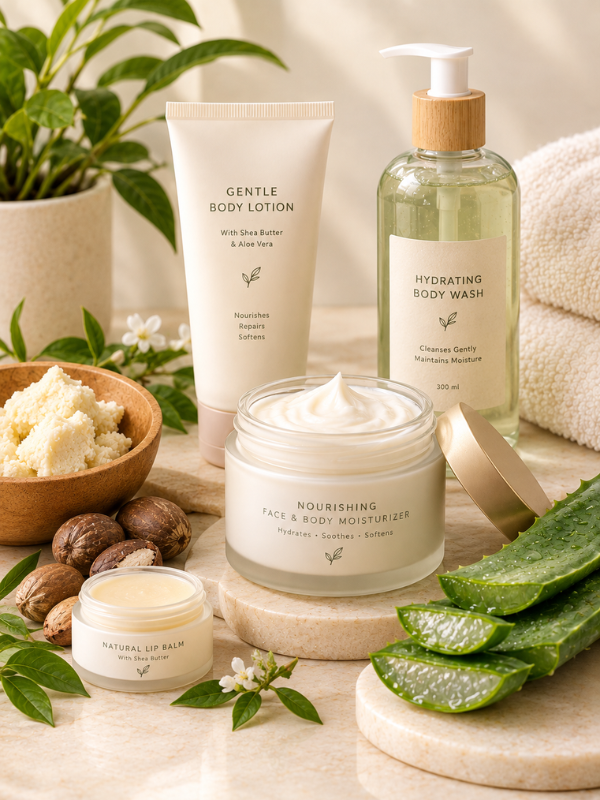
Choose a moisturizer based on your skin’s needs. If your skin is very dry, a richer cream or balm may feel more comfortable. If your skin is oily, you may prefer a lightweight lotion or gel moisturizer.
Ingredients such as glycerin, ceramides, hyaluronic acid, and shea butter can be useful in moisturizing products.
Do not forget areas that are easily overlooked, such as your neck, elbows, knees, and hands. These areas can become particularly dry and rough when they are not moisturized regularly.
5. Drink Enough Water
Staying hydrated is important for your overall health, and drinking enough fluids should be part of your general approach to taking care of yourself.
However, it is important to have realistic expectations. Drinking water by itself will not magically transform dry or rough skin. Your skin also needs external care, including gentle cleansing and regular moisturizing.
Try to drink fluids regularly throughout the day, especially when you are thirsty or when the weather is hot. Pairing good hydration habits with a consistent skincare routine is a more practical approach to maintaining comfortable, healthy-looking skin.
6. Protect Your Skin From the Sun
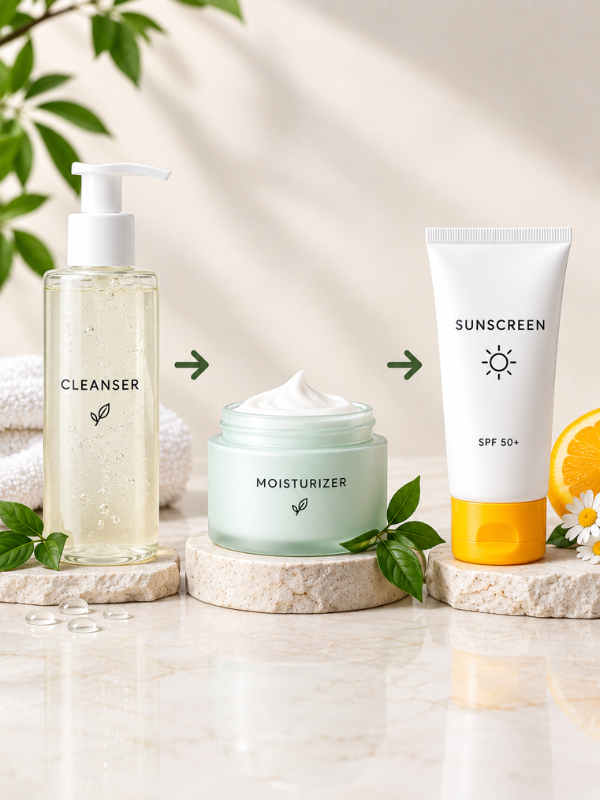
Sun protection is one of the most important parts of maintaining healthy-looking skin.
Regular exposure to ultraviolet radiation can contribute to premature skin aging, uneven pigmentation, and changes in skin texture. Even if your main goal is simply to keep your skin looking smooth, protecting it from excessive sun exposure is worth making a daily habit.
Use a broad-spectrum sunscreen on exposed skin and apply enough to provide proper coverage. Your face, neck, ears, hands, and other exposed areas should not be forgotten.
Sunscreen works best when it becomes part of your normal morning routine rather than something you only remember when spending a day at the beach.
Build a Simple Routine for Soft and Smooth Skin
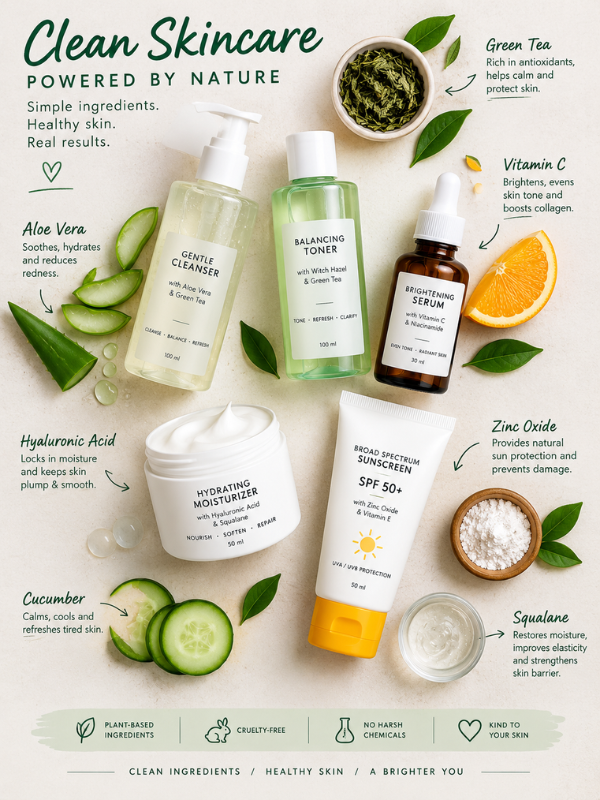
You do not need a complicated ten-step routine to take good care of your skin. A simple routine that you can follow consistently is often easier to maintain.
Morning Routine
Start your morning with a gentle cleanse or rinse, depending on your skin type and personal preference. Follow with a moisturizer to keep your skin comfortable throughout the day.
Finish with sunscreen on exposed areas. If your skin becomes dry during the day, you can also reapply moisturizer as needed.
Evening Routine
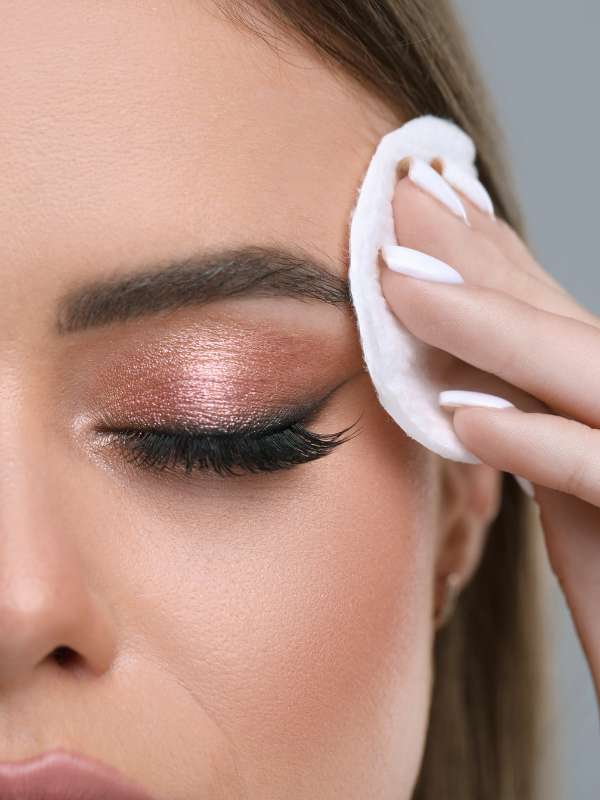
At night, cleanse your skin to remove sunscreen, makeup, sweat, oil, and the day’s buildup.
If you use a treatment product, apply it according to its instructions. You do not need several active ingredients at once. Finish with a moisturizer to support your skin while you sleep.
Weekly Care
If your skin tolerates exfoliation, you can include a gentle exfoliating product as part of your weekly routine. The right frequency depends on the product and your skin’s sensitivity.
If your skin is already irritated or very dry, focus on gentle cleansing and moisturizing instead of adding more exfoliation.
Choose Skincare Products Based on Your Skin Type
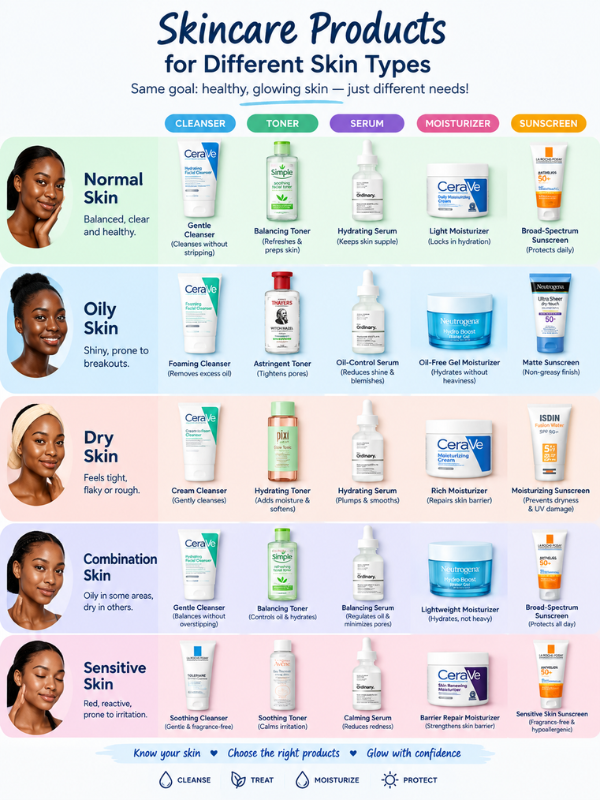
The products that work well for one person may not work as well for another. Understanding your skin type can help you build a routine that feels comfortable and is easier to maintain.
Dry Skin
Dry skin often benefits from products that focus on hydration and moisture.
Look for gentle cleansers and richer moisturizers containing ingredients such as ceramides, glycerin, hyaluronic acid, or shea butter. Avoid washing with very hot water and be careful with frequent exfoliation.
If your skin frequently feels tight after cleansing, your cleanser may be too harsh for your skin.
Oily Skin
Oily skin still needs moisture. Trying to remove every trace of oil or using extremely drying products can leave the skin feeling uncomfortable and may encourage you to keep changing products.
Choose a lightweight moisturizer that feels comfortable on your skin. A gentle cleanser can help remove excess oil without leaving your face feeling stripped.
Combination Skin
Combination skin can have oily areas and drier areas at the same time. You may notice more oil around the forehead, nose, and chin while your cheeks feel normal or dry.
Rather than using strong products everywhere, pay attention to what different areas of your skin actually need. A lightweight moisturizer can work well for many people, while drier areas may benefit from a little extra moisture.
Sensitive Skin
Sensitive skin often needs a simpler approach.
Look for gentle, fragrance-free products when possible, and introduce new products one at a time. This makes it easier to identify anything that causes irritation.
Avoid aggressive scrubbing and frequent use of strong active ingredients. If a product causes persistent burning, redness, or irritation, stop using it and consider getting professional advice.
Everyday Habits That Can Help Maintain Soft and Smooth Skin
Your skincare products are only one part of the picture. Everyday habits can also affect how your skin feels.
- Change your pillowcase regularly, especially if you sweat at night.
- Avoid picking, scratching, or constantly touching your skin.
- Wear comfortable clothing that does not repeatedly rub against irritated areas.
- Keep showers reasonably short and avoid very hot water.
- Moisturize your skin consistently instead of waiting until it becomes extremely dry.
- Remove makeup before going to bed.
- Avoid constantly changing your skincare products.
- Give new products enough time before deciding whether they work for you, unless they cause irritation.
- Get enough rest and maintain healthy everyday habits.
You do not have to do everything perfectly. Consistency with a few simple habits is much more realistic than creating a routine that becomes difficult to maintain.
Ingredients That Can Help Keep Skin Soft and Smooth
When choosing skincare products, it helps to understand what common ingredients actually do.
Hyaluronic acid is a humectant that helps attract and hold water in the skin, making it useful in hydrating products.
Glycerin is another humectant commonly used to help the skin retain moisture. It can be found in cleansers, lotions, and creams.
Ceramides are lipids naturally found in the skin. Skincare products containing ceramides can help support the skin barrier and reduce moisture loss.
Shea butter is a rich moisturizing ingredient that can be especially useful for dry areas of the body.
Niacinamide is a form of vitamin B3 that is commonly used in skincare. It can help support the skin barrier and improve the appearance of uneven skin over time.
Lactic acid is an alpha hydroxy acid that can help exfoliate the skin while also providing some hydration. Because it is still an exfoliating ingredient, it should be introduced gradually.
Urea can help soften and moisturize dry, rough skin. It is commonly found in products designed for particularly dry areas.
You do not need to use all of these ingredients. Choose products based on what your skin actually needs.
Common Mistakes That Can Make Skin Feel Rough
Sometimes the problem is not that you need more skincare products. Your routine may simply contain habits that are making your skin drier or more irritated.
One common mistake is using very hot water every time you bathe. Another is scrubbing the skin aggressively because you believe rougher scrubbing means cleaner skin.
Exfoliating too often can also make your skin feel rough rather than smooth. The same applies to using several strong active ingredients at once.
Skipping moisturizer is another common problem, particularly after bathing. If your skin regularly feels tight or dry afterward, applying moisturizer soon after can make a noticeable difference.
Finally, constantly changing your products can make it difficult to know what works for you. Give your routine some consistency and introduce new products carefully.
How Long Does It Take to Get Soft and Smooth Skin?
There is no exact timeline because everyone’s skin is different.
If your skin is simply dehydrated, using a suitable moisturizer may make it feel more comfortable relatively quickly. Improvements in roughness or uneven texture can take longer, especially if the underlying issue has been present for a while.
The goal should not be to completely transform your skin overnight. Instead, focus on creating habits that keep your skin moisturized, protected, and comfortable over time.
A simple routine followed consistently is usually more useful than constantly searching for a quick fix.
When Rough or Dry Skin May Need Extra Attention
Occasional dryness is common, but persistent or severe changes in your skin deserve more attention.
Consider speaking with a dermatologist or other qualified healthcare professional if your skin remains extremely dry despite regular care, or if you experience significant itching, cracking, redness, swelling, pain, or persistent irritation.
Sudden changes in your skin can sometimes have causes that require more than a basic skincare routine. Getting professional advice can help identify the cause instead of repeatedly trying new products.
Frequently Asked Questions
How can I make my skin soft and smooth naturally?
Gentle cleansing, regular moisturizing, avoiding very hot water, protecting your skin from the sun, and maintaining good hydration habits can all support softer, smoother-looking skin. You do not need an extensive routine to get started.
What is the best routine for soft and smooth skin?
A simple routine can include gentle cleansing, moisturizing, and daily sun protection. Depending on your skin type, you may also add gentle exfoliation or a targeted treatment.
How often should I exfoliate for smooth skin?
There is no single frequency that works for everyone. It depends on the type of exfoliant and your skin’s tolerance. Starting slowly is generally better than exfoliating aggressively or every day.
Does drinking water make your skin smoother?
Staying hydrated supports overall health, but drinking more water is not a replacement for moisturizing and proper skincare. If your skin feels dry, both internal hydration and topical moisturization can be part of your overall routine.
Why does my skin feel rough after bathing?
Your skin may feel rough or tight after bathing if you use very hot water, spend a long time in the bath or shower, use a harsh cleanser, or skip moisturizer afterward. Try lukewarm water, gentle cleansing, and applying moisturizer while your skin is still slightly damp.
What ingredients are best for soft and smooth skin?
Ingredients such as glycerin, hyaluronic acid, ceramides, shea butter, and urea can help moisturize the skin. Gentle exfoliating ingredients such as lactic acid may also help improve the appearance of rough texture when used appropriately.
How can I keep my body skin soft and smooth?
Use a gentle body cleanser, avoid very hot water, moisturize after bathing, and exfoliate gently when needed. Pay extra attention to areas such as the elbows, knees, hands, and feet, which can become dry more easily.
Can moisturizing every day improve skin texture?
Regular moisturizing can help improve how dry, rough, or tight skin feels by supporting hydration and reducing moisture loss. Choosing a moisturizer that suits your skin type and using it consistently is more important than constantly switching products.
Keeping your skin soft and smooth does not have to be complicated. Gentle cleansing, lukewarm water, regular moisturizing, sensible exfoliation, sun protection, and healthy everyday habits can all contribute to healthier-looking skin.
The key is consistency. Instead of constantly adding new products to your routine, start with the basics and pay attention to how your skin responds. With the right habits and products for your skin type, maintaining soft and smooth skin can become a simple part of your everyday self-care.
This Post Showed You How to Keep Your Skin Soft and Smooth
You may also like:


2 Comments