Starting your loc journey can be exciting, but knowing how to care for your hair can sometimes feel confusing. You may wonder how often you should wash your locs, whether they need daily moisture, when to retwist them, or which products are actually worth using. The good news is that maintaining healthy locs does not have to be complicated. A simple and consistent locs maintenance routine can help keep your hair clean, moisturized, neat, and healthy as your locs develop.
The key is to understand what your hair and scalp need at every stage. You do not need to constantly retwist your roots or use several products to keep your locs looking good. Instead, focus on cleanliness, moisture, scalp care, protection, and gentle handling.
Even if you have starter locs or mature locs, this guide will help you build a simple maintenance routine you can actually follow.
What Is a Locs Maintenance Routine?
A locs maintenance routine is the regular care you give your locs and scalp to keep them clean, healthy, moisturized, and well maintained.
It can include washing your hair, moisturizing your locs, caring for your scalp, protecting your hair at night, separating locs when necessary, and retwisting your roots when appropriate.
However, maintenance does not mean constantly touching your hair.
In fact, one of the biggest lessons beginners can learn is that locs need time to develop. Excessive styling, pulling, twisting, or retwisting can place unnecessary stress on your roots.
Your routine should therefore be simple and consistent. Instead of trying to make your locs look perfect every day, focus on keeping your scalp healthy and giving your locs the right environment to grow.
How Often Should Beginners Maintain Their Locs?
There is no single schedule that works for everyone. Your ideal routine depends on your hair, scalp, lifestyle, loc stage, and personal preferences.
For example, someone who exercises regularly or sweats heavily may need to cleanse their scalp more often than someone with a less active lifestyle.
A simple schedule can look like this:
| Maintenance Task | How Often |
|---|---|
| Light moisturizing | 2–3 times a week or as needed |
| Scalp check | Weekly |
| Washing | Every 1–2 weeks or according to your needs |
| Retwisting | Around every 4–8 weeks when needed |
| Deep cleansing | Occasionally when buildup occurs |
| Nighttime protection | Every night |
These are general guidelines rather than strict rules.
Your locs may need more or less attention. Pay attention to how your scalp and hair feel instead of following a schedule blindly.
Your Daily Locs Maintenance Routine

A good daily routine does not need to take more than a few minutes.
The goal is simply to check your hair, protect it, and avoid unnecessary stress.
Check Your Scalp
Take a quick look at your scalp when you get ready.
Look for excessive dryness, flakes, irritation, or unusual tenderness. Your scalp is the foundation of your locs, so keeping it comfortable and clean is important.
If you notice persistent irritation or other concerning changes, consider speaking with a qualified healthcare professional rather than trying to treat the issue with random hair products.
Keep Your Locs Protected
Your locs come into contact with clothing, pillows, chairs, and other surfaces throughout the day.
If your locs are long, avoid constantly dragging them across rough fabrics. You can also put them into a loose, comfortable style when necessary.
Most importantly, protect them while sleeping.
Avoid Constantly Touching Your Locs
It can be tempting to play with new locs, especially when you are excited about seeing them develop.
However, constantly twisting, pulling, or rearranging them is unnecessary.
Give your locs room to mature naturally. Gentle handling is especially important during the starter and developing stages.
Protect Your Hairline
Your edges deserve attention too.
Avoid wearing tight hairstyles that continuously pull on your hairline. A style can look beautiful while still putting too much tension on your roots.
When styling your locs, prioritize comfort as well as appearance.
The Right Washing Routine for Locs
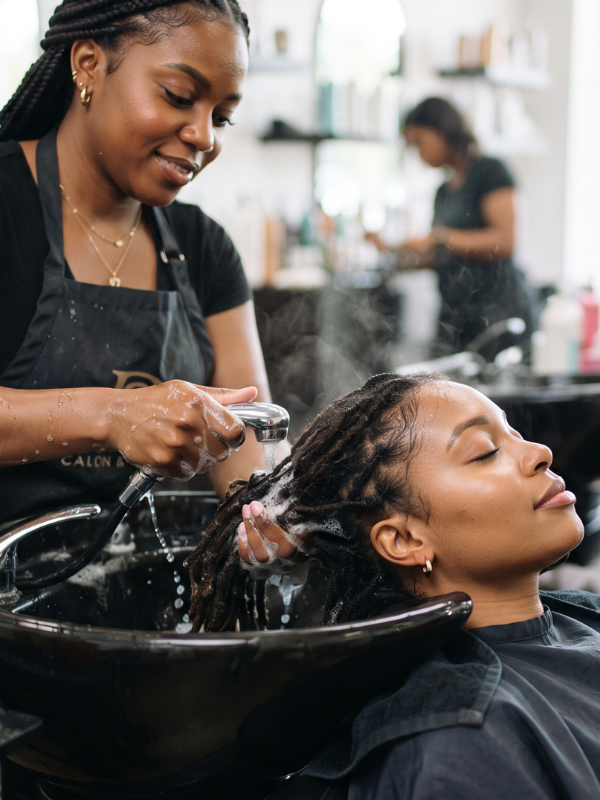
Washing is one of the most important parts of a healthy locs maintenance routine.
Having locs does not mean you should stop washing your hair. Your scalp continues to produce sweat, oil, and skin cells, while your hair can collect dust and product residue.
Regular cleansing helps keep your scalp fresh and prevents unnecessary buildup.
For beginners, the process may feel different from washing loose natural hair, but it becomes easier with practice.
Choose a shampoo that cleans effectively and does not leave a heavy residue behind.
How to Wash Locs Step by Step
1. Thoroughly wet your hair.
Start by allowing water to completely soak your locs. Take your time because locs can hold a significant amount of water.
2. Apply shampoo to your scalp.
Focus on the scalp first. Use your fingertips rather than your fingernails to gently massage the shampoo into your scalp.
3. Clean your locs.
Allow the shampoo to move through the length of your locs. You do not need to aggressively scrub them.
4. Rinse thoroughly.
This step is extremely important. Make sure all shampoo is removed from your scalp and locs.
5. Repeat if necessary.
If your hair has significant buildup or feels particularly dirty, you may need another gentle wash.
6. Remove excess water.
Gently squeeze your locs rather than aggressively rubbing them with a towel.
7. Allow your locs to dry completely.
Do not immediately cover or style soaking-wet locs. Proper drying is an important part of loc care.
How to Moisturize Locs Without Causing Buildup
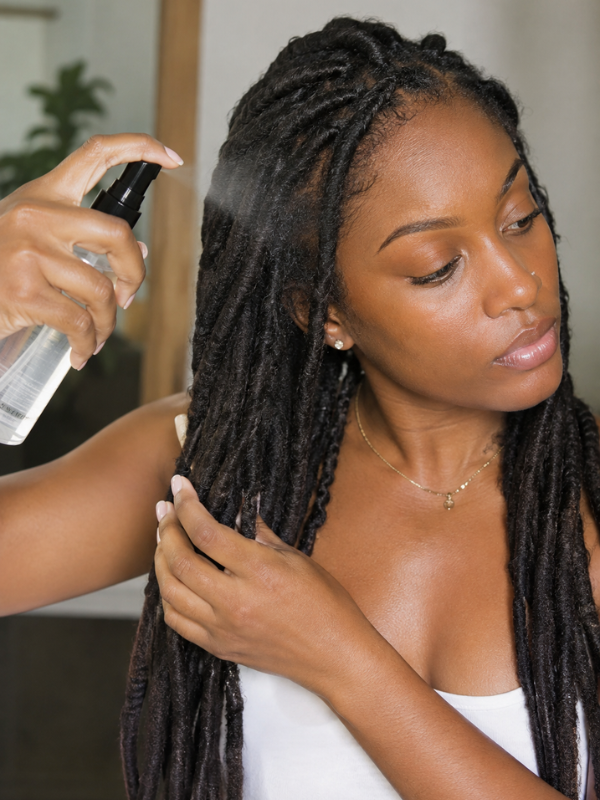
Locs need moisture, but that does not mean you should coat them with heavy products.
One of the most common beginner mistakes is confusing moisture with oil and product.
Water is an important source of hydration. Lightweight, water-based products can also be useful when your hair needs additional moisture.
Heavy creams, thick butters, waxes, and excessive oils may leave residue inside the locs over time.
A better approach is to start with a small amount of a lightweight product and see how your hair responds.
Signs Your Locs May Need More Moisture
Your locs may benefit from additional moisture if they feel unusually dry or brittle.
Other signs can include:
- A dry or tight-feeling scalp
- Locs that feel rough
- Excessive dryness after washing
- Hair that feels less flexible than usual
However, do not automatically add more products whenever your hair feels dry.
First, consider whether you are washing too frequently, using a drying cleanser, or spending a lot of time in very dry conditions.
Scalp Care Should Be Part of Your Locs Maintenance Routine
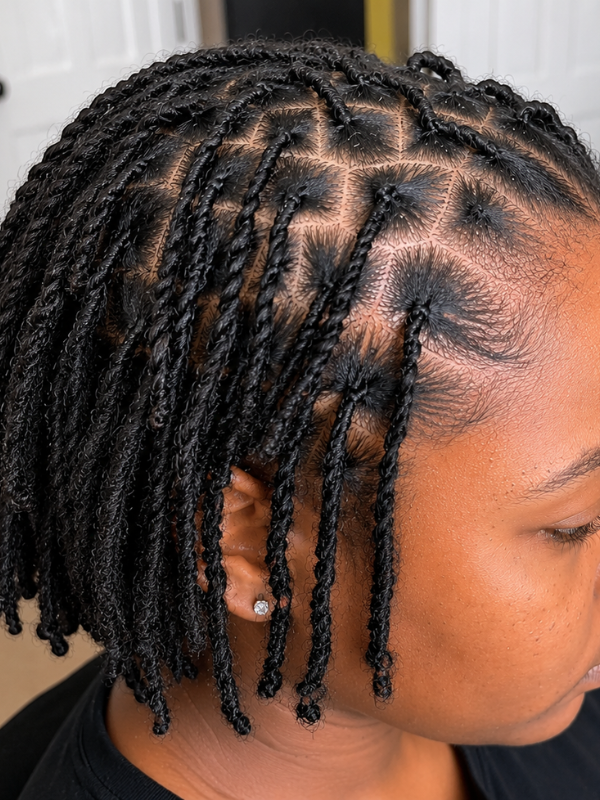
Healthy locs start with a healthy scalp.
Your scalp should not be forgotten simply because your hair is locked.
Make scalp care a regular part of your locs maintenance routine.
Keep your scalp clean and avoid applying large amounts of oil. While some people enjoy scalp oils, using too much can leave the scalp greasy and contribute to buildup.
A gentle scalp massage can also feel relaxing and help you distribute a small amount of product if your routine includes one.
Most importantly, pay attention to changes in your scalp.
Persistent itching, pain, irritation, excessive flaking, or other unusual symptoms should not simply be covered with more hair products.
Retwisting and Loc Maintenance for Beginners
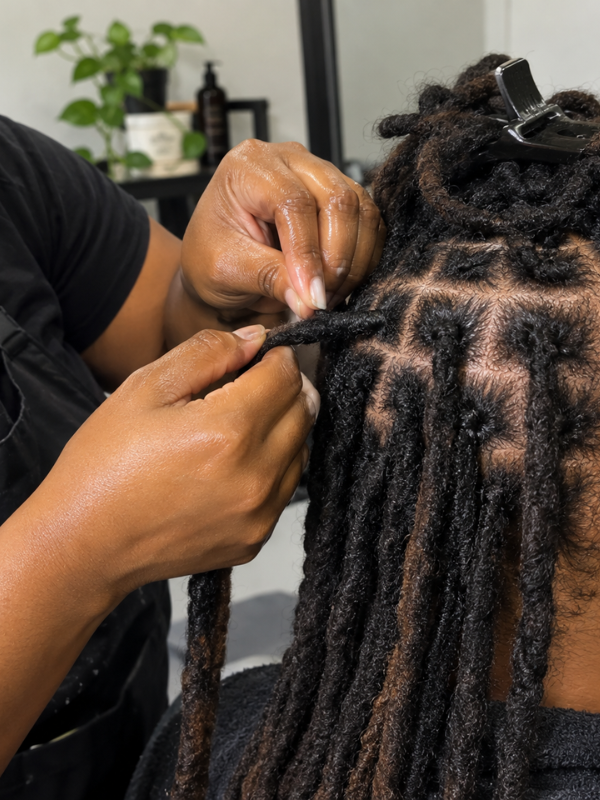
Retwisting is one of the most recognizable parts of loc maintenance, but it is not something you need to do constantly.
Retwisting helps organize new growth and create a more polished appearance. However, frequent or overly tight retwisting can place stress on the roots.
For many people, retwisting every few weeks is enough, while others prefer to wait longer.
Your lifestyle and desired appearance will also influence your schedule.
Remember that neatness and healthy hair are not always the same thing.
A little new growth does not mean your locs are unhealthy. In many cases, allowing your roots time between retwists can be beneficial.
If you are unsure about maintaining your roots yourself, visiting an experienced loctician can help you establish a routine that works for your hair.
How to Keep Locs Neat Between Retwists
You do not need a fresh retwist every time you want your locs to look presentable.
There are several simple ways to keep your hair neat between maintenance sessions.
Start by keeping your scalp clean and your locs properly moisturized.
You can also wear simple styles that organize your locs without placing excessive tension on your roots.
A satin or silk bonnet can help reduce friction while you sleep. Gently separating locs that naturally become tangled together can also help maintain their organization.
Most importantly, do not feel pressured to make every strand perfectly neat.
Locs naturally change as they mature. Frizz, budding, loose hairs, and new growth can all be part of the process.
Nighttime Locs Maintenance Routine
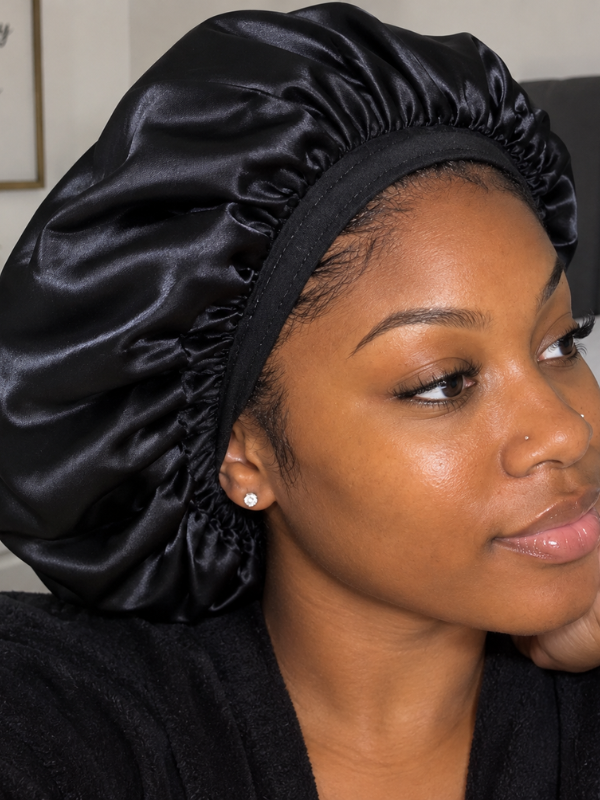
Your nighttime habits can make a noticeable difference in how your locs look and feel.
Before going to bed, make sure your locs are completely dry.
If you washed them earlier in the day, give them enough time to dry before covering them.
Next, gently check that your locs are not sticking together in areas where they should remain separate.
Then cover your hair with a satin or silk bonnet or scarf.
These materials create less friction than many cotton fabrics. This can help reduce unnecessary dryness, frizz, and friction while you sleep.
If your locs are too long for a bonnet, you can use a suitable satin or silk covering that comfortably accommodates your hair.
The goal is protection without creating pressure around your scalp.
Monthly Locs Maintenance Routine
A monthly check-in is a useful way to keep track of your locs’ overall condition.
Take some time to inspect your roots, scalp, and locs.
Look for signs of buildup, weak areas, thinning roots, or excessive dryness.
Think about how your current products are working.
Are they leaving residue?
Does your scalp feel comfortable?
Are your locs becoming too dry?
Is your retwisting schedule causing too much tension?
These questions can help you adjust your locs maintenance routine instead of simply repeating habits that may not be working for you.
You can also use this time to clean your hair accessories, wash your bonnet or scarf, and organize the products you actually use.
Locs Maintenance Routine for Different Stages of Your Loc Journey
Your routine will change as your locs mature.
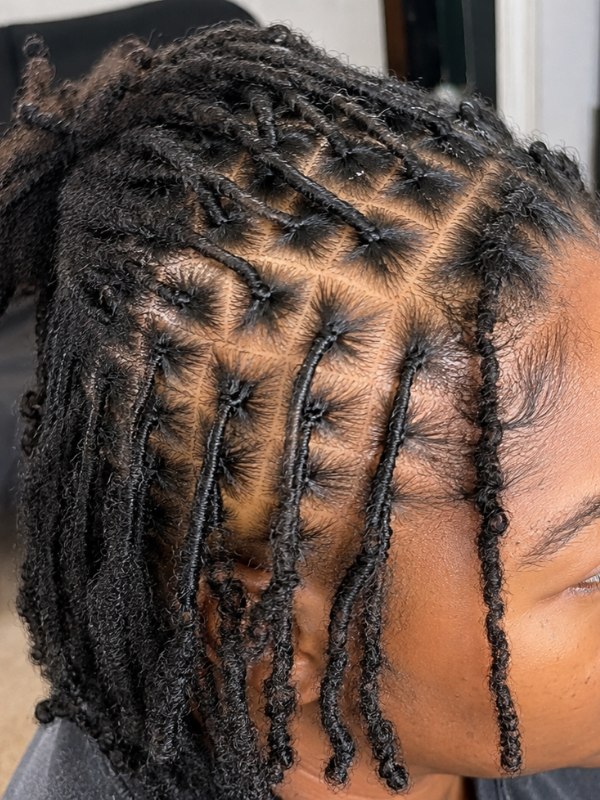
Starter Locs
Starter locs usually require gentle handling.
Avoid excessive styling and unnecessary pulling. Follow the washing and maintenance instructions recommended by your loctician, especially if your locs are very new.
Focus on keeping your scalp clean while giving your locs time to form.
Developing Locs
As your locs begin to mature, you can establish a more predictable washing and moisturizing routine.
You may also begin separating locs when necessary and developing a retwisting schedule that suits your hair.
Remember that developing locs can look different from one another. Some may bud faster while others take longer.
Mature Locs
Mature locs may require less attention in some areas but still need regular cleansing and scalp care.
Continue watching for buildup, dryness, weak roots, and excessive tension.
Even mature locs can become damaged if they are constantly pulled, styled, or neglected.
Common Locs Maintenance Mistakes Beginners Should Avoid
Having a good routine is partly about knowing what to do and partly about knowing what not to do.
Washing Too Rarely
Avoid avoiding shampoo simply because you have locs.
A clean scalp is important throughout your loc journey.
Using Too Many Products
More products do not automatically mean healthier hair.
Every product you add has the potential to leave residue, especially when it is heavy.
Keep your routine simple.
Retwisting Too Frequently
Constant retwisting can place unnecessary stress on your roots.
Give your hair time to grow between sessions.
Using Heavy Products
Thick creams, waxes, and butters can be difficult to remove from locs.
Choose lightweight products whenever possible.
Sleeping Without Protecting Your Locs
Nighttime friction can contribute to dryness and frizz.
A satin or silk bonnet or scarf can be a simple addition to your routine.
Going to Bed With Wet Locs
Because locs are dense, they can take longer to dry than loose hair.
Give them enough time to dry before covering them for the night.
Wearing Tight Styles
Constant tension can affect your roots and hairline.
Choose comfortable hairstyles that do not pull excessively.
Ignoring Your Scalp
Your locs can look great while your scalp is struggling.
Pay attention to itching, irritation, excessive dryness, and other changes.
Simple Locs Maintenance Routine Checklist for Beginners
If you want to keep things simple, use this checklist as a starting point.
Daily
- Check how your scalp feels.
- Avoid unnecessary touching.
- Protect your hairline.
- Keep your locs away from excessive friction.
Weekly
- Check your scalp for dryness or buildup.
- Assess whether your locs need moisture.
- Wash your hair if it is your scheduled wash day.
- Make sure your locs dry completely after washing.
Every Few Weeks
- Check your roots.
- Look for weak or thinning areas.
- Assess product buildup.
- Consider whether your current routine is working.
Every 4–8 Weeks
- Consider a retwist if needed.
- Evaluate the health of your roots.
- Visit a loctician if you need professional maintenance.
Products to Keep in Your Locs Maintenance Routine
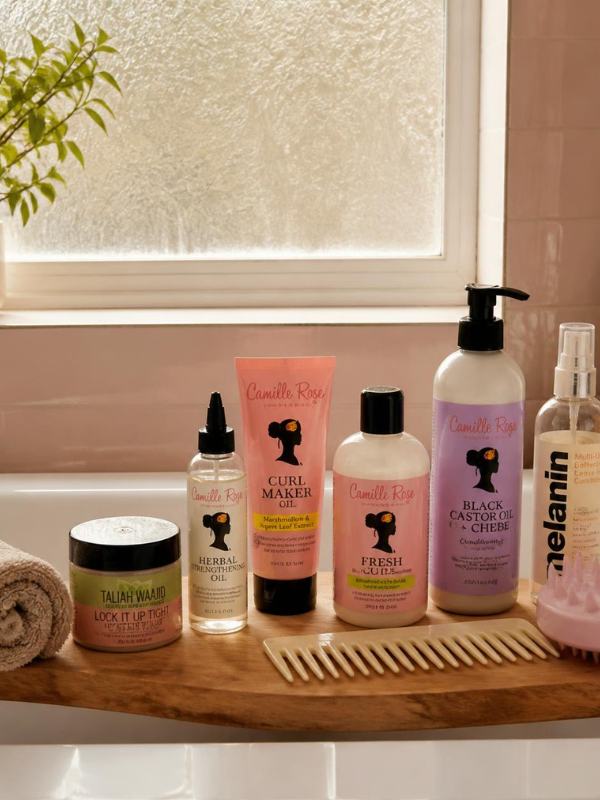
You do not need dozens of products to care for your locs.
A simple routine can include a few basic categories:
- A suitable shampoo for cleansing
- A lightweight moisturizing product or mist
- Water for hydration
- A lightweight oil if it suits your scalp
- A satin or silk bonnet or scarf
- A clean, gentle towel for drying
Before adding anything new, think about whether you actually need it.
If a product leaves your locs sticky, greasy, or coated, it may not be the right choice for your routine.
When to See a Professional Loctician
Learning to maintain your own locs can be rewarding, but there are times when professional help is useful.
Consider seeing an experienced loctician if you notice significant thinning, weak roots, difficult buildup, or locs that need repair.
A professional can also help with separating or combining locs, establishing a retwisting routine, or creating styles that work with your hair without putting unnecessary stress on your roots.
If you are experiencing persistent scalp irritation or other concerning scalp symptoms, a healthcare professional may be more appropriate than a loctician.
A healthy locs maintenance routine does not have to be complicated.
Clean your scalp regularly. Keep your locs moisturized without overloading them with products. Protect your hair while sleeping, pay attention to your roots, and avoid excessive retwisting or tight hairstyles.
Most importantly, learn to be patient with your loc journey.
Your locs will not look exactly the same every week or every month. They will change, mature, frizz, tighten, and develop their own character.
Instead of chasing perfect-looking locs every day, focus on creating healthy habits that support your hair over time.
Consistency matters more than having a complicated routine. Once you understand what your scalp and locs need, maintenance becomes much easier, and your loc journey becomes much more enjoyable.
You May Also Like
20 Locs Maintenance Styles That Keep Your Hair Neat
15 Loc Maintenance Tips for Healthy, Beautiful Locs
Starter Locs Guide for Healthy and Beautiful Locs


One Comment